
Evelina — Frances Burney's Epistolary Novel of Society and Sentiment
Evelina (1778) is Frances Burney's anonymous epistolary novel about a young woman's first experiences in London society; a comic-sentimental study of manners that helped define the novel of manners.
Overview
Evelina, first published in 1778, is an epistolary novel that introduced a shy, observant heroine into the complicated world of fashionable society. Written by the Frances Burney of the late 18th century, the book appeared anonymously and quickly became a talking point among readers and critics. Burney was an English writer whose early success with this work helped establish her public profile.
Image gallery
2 Images
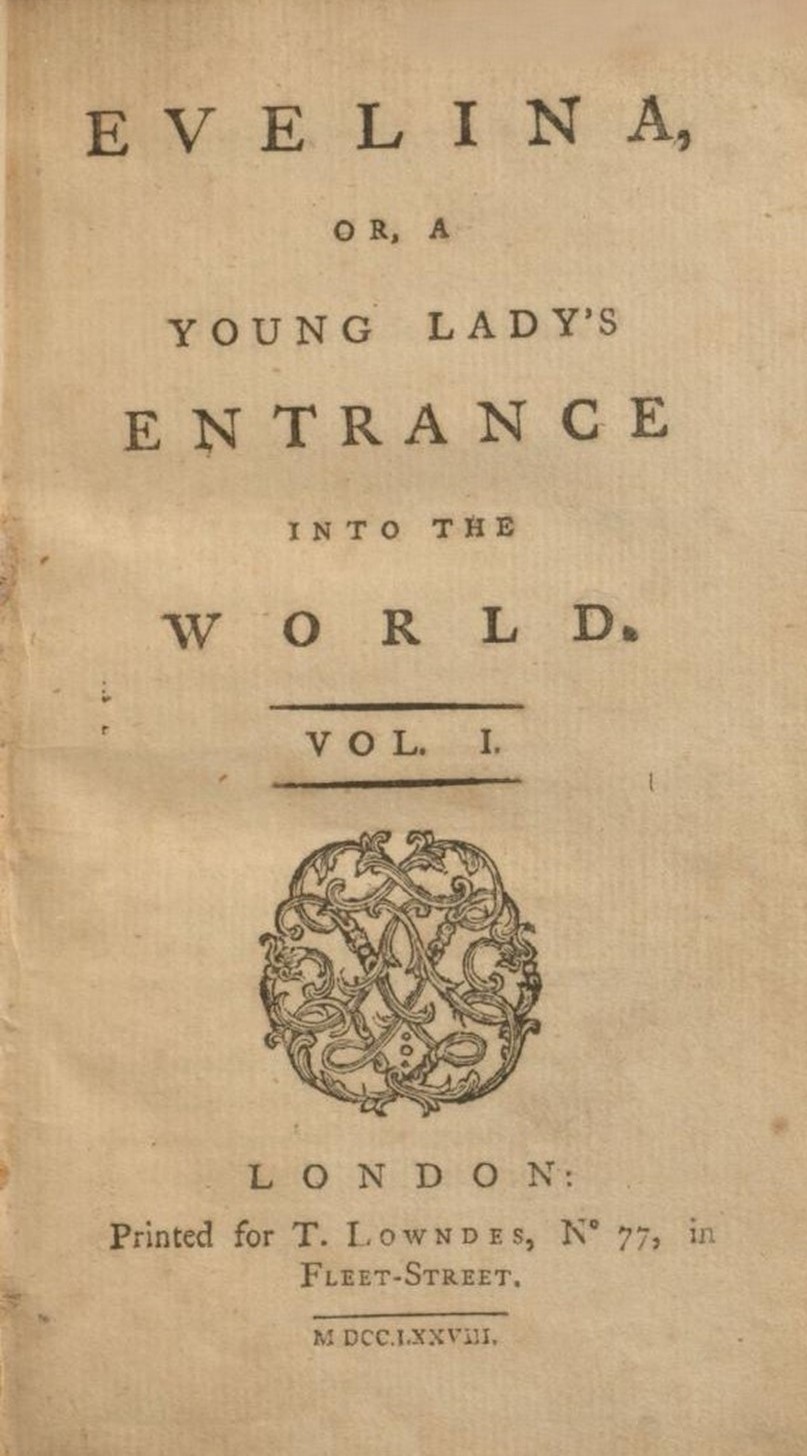
Form, structure, and tone
The story unfolds through letters and first-person reports, a form that lets readers share Evelina's private impressions and misgivings. This epistolary approach creates immediacy and invites sympathy while allowing the author to present social scenes with satirical distance. The tone shifts between sentimentality and sharp social comedy: it is at once tender toward the heroine and unflinching about the absurdities of rank, etiquette, and affectation. Contemporary readers classified it as sentimental fiction blended with satire and romance.
Plot skeleton and principal figures
The basic outline follows a young woman who leaves a sheltered life to make her first appearance in London. Through social invitations, misunderstandings, and comic embarrassments she grows in judgement and self-possession. The heroine—often described as the book's heroine—attracts attention and, eventually, sincere affection from a gentleman named Lord Orville. Along the way, episodes such as public missteps, family revelations, and brisk conversations expose the limits of polite society and highlight Evelina's moral development: readers watch her gain character and wisdom without losing modesty or humanity.
Themes, features, and notable elements
- Social satire: ridicule of vanity, pretension, and class anxiety.
- Sentiment and moral growth: emotional education of a young woman.
- Epistolary immediacy: letters reveal private feeling and public performance.
- Comedy of manners: scenes of awkwardness and comic misunderstandings.
Publication, reception, and legacy
Burney originally published the work anonymously; authorship was later disclosed, in part due to public gossip and a revealing poem by the poet George Huddesford that Burney herself called a "vile" poem. The success of the volume made Burney famous almost overnight and encouraged her to continue writing. Later novels by Burney built on the same balance of sentiment and social observation, and the book influenced other novelists of the period, including Jane Austen and Maria Edgeworth. Readers and scholars continue to study Evelina as an early landmark in the development of the English novel and the novel of manners.
Why Evelina matters today
Modern readers value Evelina for its lively portraits of 18th-century society, its honest depiction of a young woman's inner life, and its skillful mixture of feeling and critique. As both a social comedy and a sentimental bildungsroman, the book offers insight into gendered expectations, the theatricality of politeness, and the emergence of a female literary voice in the public sphere. For those interested in the roots of the novel of manners, Burney's work remains a rewarding and readable introduction.
Evelina has been reprinted and adapted many times; scholars consult editions and critical studies to explore its language, historical context, and influence on later writers. Further resources and editions are available for readers who wish to examine the originals and commentary in depth.
Questions and answers
Q: Who wrote Evelina or The History of a Young Lady's Entrance into the World?
A: English writer Frances Burney wrote Evelina.
Q: When was Evelina first published?
A: Evelina was first published in 1778.
Q: How did the public first learn about the identity of the writer of Evelina?
A: The poet George Huddesford revealed that Burney was the writer of Evelina in what Burney called a "vile poem".
Q: What effect did the revelation of Burney's authorship of Evelina have on her reputation?
A: When it was known that Burney had written Evelina, it immediately made her very famous.
Q: Who is the protagonist of Evelina?
A: The protagonist of Evelina is a young lady named Evelina Anville.
Q: What happens to Evelina in the novel of letters?
A: Evelina, the heroine, leaves her quiet home for the first time to go to London. Through many dangers and delights of fashionable society, Evelina grows in character and wisdom and finds love with Lord Orville.
Q: What influential role did Evelina play in English literature?
A: This sentimental novel of romance and satire was an influence to Jane Austen and Maria Edgeworth.
Related articles
Author
AlegsaOnline.com Evelina — Frances Burney's Epistolary Novel of Society and Sentiment Leandro Alegsa
URL: https://en.alegsaonline.com/art/32741
Sources
- oxforddnb.com : accessed 6 Feb 2010