
European Economic Community (EEC): origins, structure, and legacy
The European Economic Community (EEC) was a regional organization created by the 1957 Treaty of Rome to establish a common market in Western Europe. It laid the institutional and policy groundwork for today’s European Union.
Overview
The European Economic Community (commonly abbreviated EEC) was created by the 1957 Treaty of Rome to promote economic integration among its member states. It aimed to establish a customs union and a common market enabling the free movement of goods, services, capital and people. Many of its policies and institutions were carried forward into the European Union (European Union) after the changes introduced by the Treaty of Maastricht (Treaty of Maastricht).
Image gallery
5 Images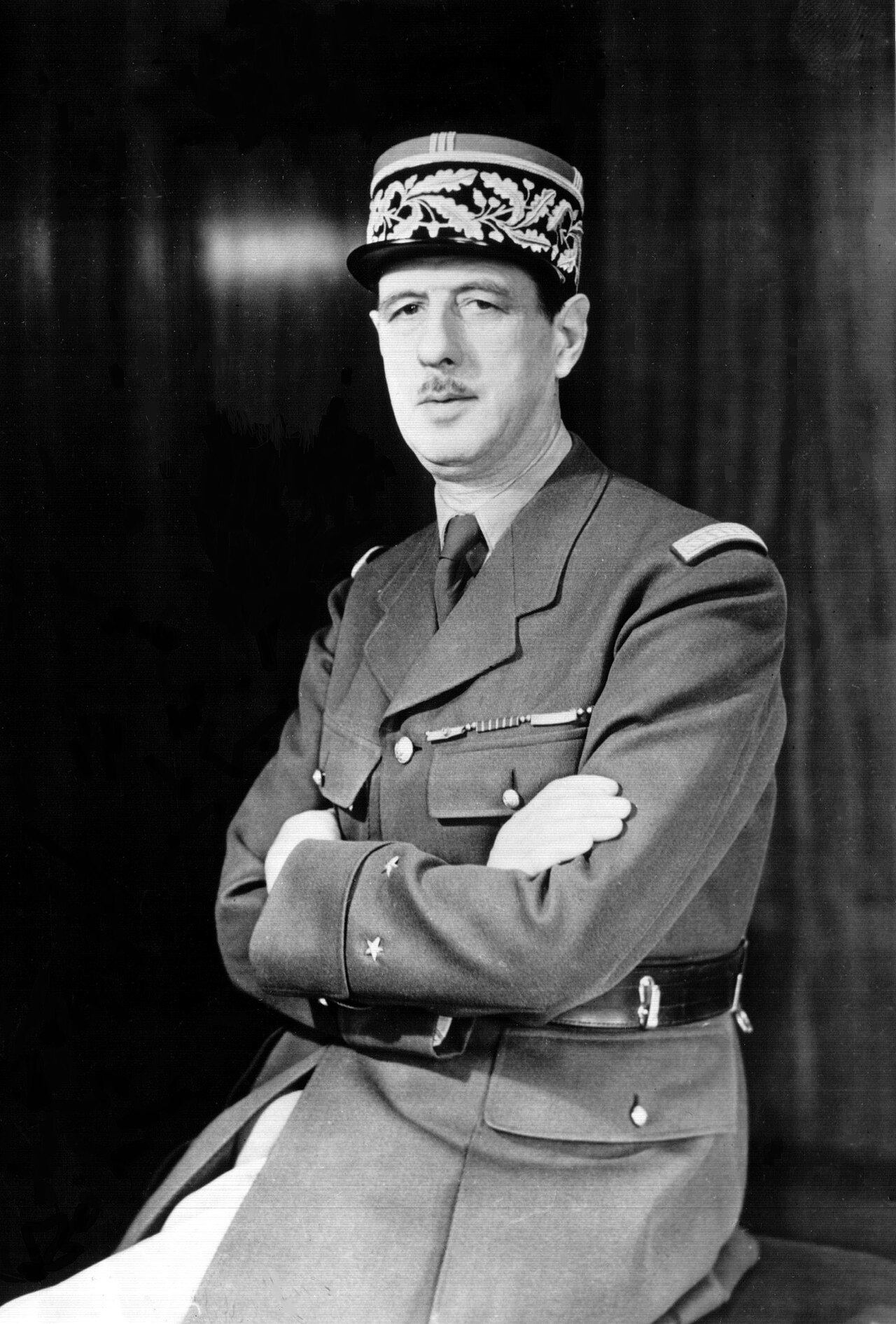


Core characteristics
At its heart the EEC combined tariff removal among members with common external tariffs, plus coordinated economic policies. Key policy areas included trade liberalization, competition rules, and sectoral initiatives such as agricultural policy. Over time the scope widened to regulatory alignment and steps toward a single market.
Institutions and decision-making
The EEC developed a supranational institutional framework: a Commission to propose legislation and supervise implementation, a Council representing national governments to adopt measures, a parliamentary assembly with growing powers, and a judicial body to interpret community law. These bodies evolved into the core institutions used by later European arrangements.
Membership and expansion
- Original members: Belgium, France, West Germany, Italy, Luxembourg, Netherlands.
- Later enlargements included the United Kingdom, Ireland and Denmark (1973), Greece (1981), Spain and Portugal (1986), among others.
Impact and importance
The EEC facilitated decades of economic growth, increased cross-border trade, and regulatory convergence across Western Europe. It helped reduce trade barriers, create larger integrated markets for businesses and consumers, and provided a framework that contributed to political cooperation and stability on the continent.
Legacy and distinctions
In the late 20th century the EEC’s institutions and policies were incorporated into a wider European Union framework after the Maastricht reforms, which broadened cooperation to monetary policy and foreign affairs. The EEC is often distinguished from earlier sectoral bodies (such as the Coal and Steel Community) and from the later EU by its primary focus on economic integration rather than a full political union.
Related articles
Author
AlegsaOnline.com European Economic Community (EEC): origins, structure, and legacy Leandro Alegsa
URL: https://en.alegsaonline.com/art/32612