
Estée Lauder: entrepreneur, brand founder, and beauty industry pioneer
Profile of Estée Lauder, the American businesswoman who built a global cosmetics company from a small skin-care line, her business methods, company growth, and lasting influence.
Estée Lauder (July 1, 1908 – April 24, 2004) was an American businesswoman and co‑founder of the Estée Lauder Companies, one of the world's leading cosmetics and fragrance groups. Beginning with a few hand‑made skin creams and a focus on personal sales, she developed techniques for product demonstration, sampling and relationship marketing that became standard across the beauty industry. Her career combined product development, retail strategy and brand building on a scale that transformed a family business into a global company.
Image gallery
4 Images


Early life and founding
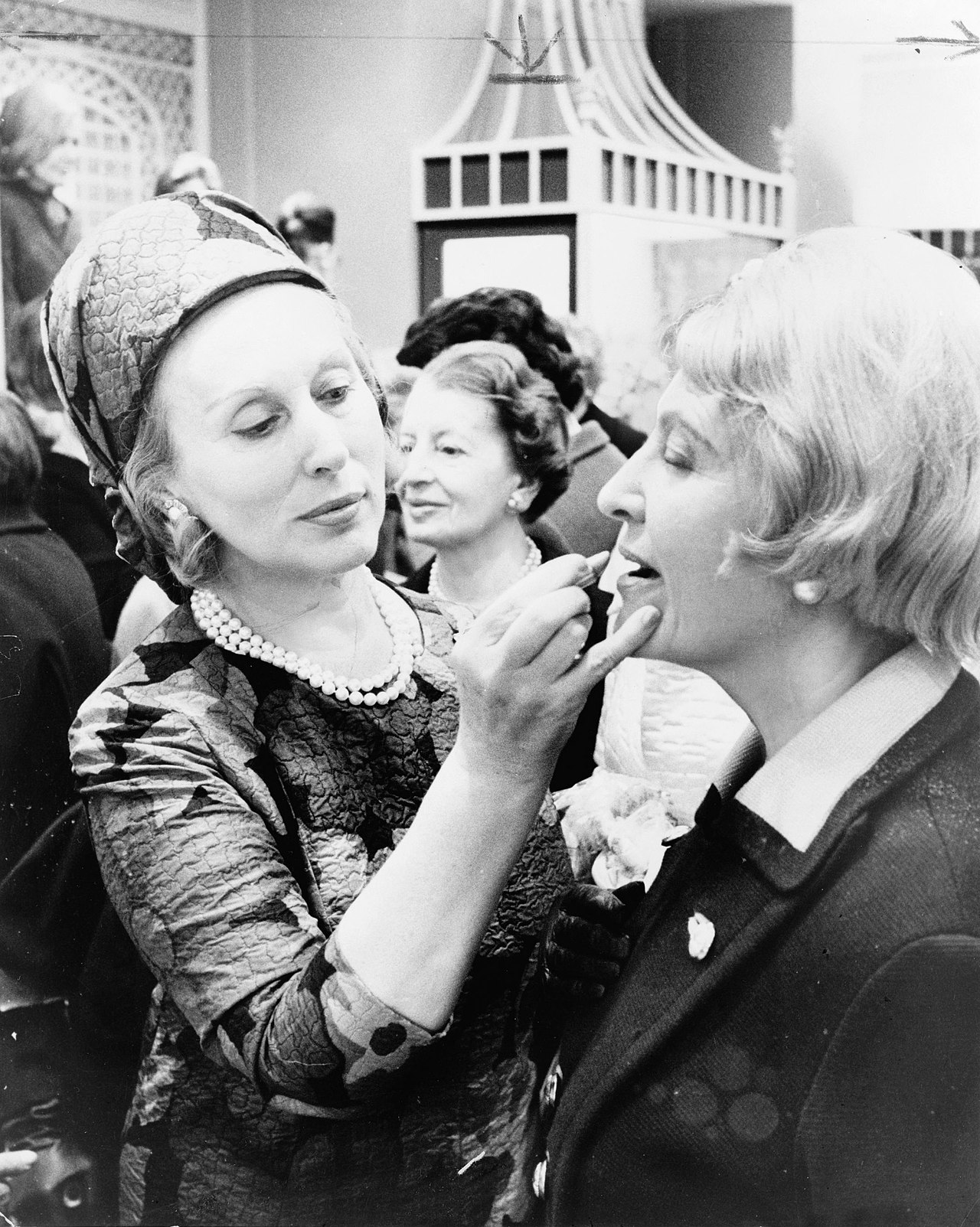
Born Josephine Esther Mentzer, she adopted the professional name Estée Lauder and began selling creams and perfumes in the 1930s and 1940s. In 1946 she and her husband formally established the Estée Lauder Companies in New York. Early distribution relied on department‑store counters and in‑person demonstration, where Lauder personally taught salespeople how to present products and advise customers. One of her early commercial breakthroughs was positioning a bath oil as a perfume product, which helped expand the company's appeal.
Business approach and innovations
Lauder is widely credited with pioneering several retail and marketing methods that are now commonplace in cosmetics: complimentary sampling, gift‑with‑purchase promotions, and intensive counter training for sales associates. She emphasized elegant packaging, selective placement in prestige department stores, and a narrative of luxury and efficacy around products. Her hands‑on approach — visiting stores, coaching staff, and refining formulations — reinforced a direct, personal brand image.
Growth, brands and corporate development
Under Lauder's leadership the company expanded from skin care and fragrances into a multi‑brand portfolio and international markets. Over decades the group grew to include numerous prestige labels and distinctive product lines across makeup, skin care and scent. Family members and professional managers oversaw corporate expansion, while the company retained a reputation for high‑end retail placement and strong emphasis on brand identity.
Legacy and recognition
Estée Lauder remained a visible figure in the company and the industry well into late life; she died on April 24, 2004 at age 95. Her influence is reflected in modern beauty retailing and in the careers of generations of entrepreneurs who adopted her sales and marketing techniques. She has been profiled in business histories and lists of influential executives; for background biographies see further biographical resources, and for contemporary recognition examples see the TIME magazine selections that cited her impact.
Notable practices and distinctions
- Personal selling: training counters and demonstrators to build customer trust.
- Sampling strategy: using free samples to introduce products and drive repeat purchase.
- Luxury positioning: selective retail placement and packaging to support premium pricing.
- Family business to global company: steady expansion while keeping an emphasis on founder values.
Today the name Estée Lauder stands both for the woman who promoted a vision of beauty and for a multinational business whose methods reshaped how cosmetics are sold. Her career is studied as an example of product innovation married to skilled retail execution and long‑term brand cultivation.
Related articles
Author
AlegsaOnline.com Estée Lauder: entrepreneur, brand founder, and beauty industry pioneer Leandro Alegsa
URL: https://en.alegsaonline.com/art/32284