
Escondido, California
Escondido is an inland city in northern San Diego County, California, established in 1888. It is noted for its historic downtown, parks, cultural venues and position within the region's transportation and recreation network.
Escondido (Spanish for "hidden") is a city in the North County region of San Diego County, about 30 miles northeast of Downtown San Diego and located within the state of California. Founded in 1888, it is among the older incorporated communities in the county. The city served as a regional center for agriculture and later suburban growth; the U.S. census recorded 143,911 residents in 2010, and it has continued to evolve as a mid-sized inland urban area.

Image gallery
10 Images





Geography and climate
Escondido sits in a valley framed by low hills and ranges that separate coastal and inland climates. The city includes or borders areas such as the San Pasqual Valley and reservoirs and open-space preserves. Like much of coastal Southern California, Escondido experiences a Mediterranean-style climate: warm to hot, dry summers and mild, wetter winters, with local microclimates influenced by elevation and distance from the ocean.
History and development
The community grew from ranching and agricultural roots in the 19th century, benefiting from citrus and other orchard crops. Over time, transportation links and regional suburbanization transformed farmland into residential neighborhoods, commercial corridors and cultural institutions. Historic downtown retains civic buildings, parks and public markets that reflect the city's late-19th and early-20th century development.
Economy, culture and attractions
Escondido's economy is diverse, with retail, light industry, health care, education and a notable hospitality sector. The city hosts cultural venues and public spaces that attract residents and visitors. Points of interest include:
- Arts and performance centers and public sculpture gardens that support local programming.
- Parks, hiking preserves and waterways that provide outdoor recreation opportunities.
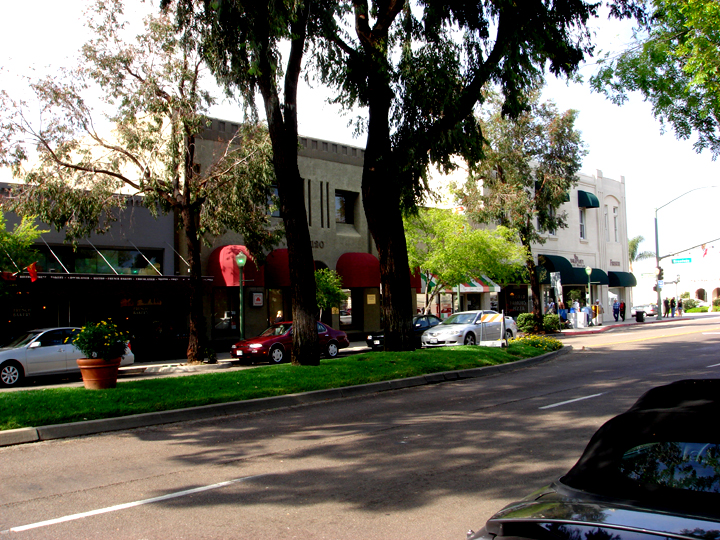
- A historic downtown district with shops, restaurants and regular community events.
- Local craft-breweries, markets and food-serving establishments that reflect a regional culinary scene.
Transportation and notable facts
Escondido is connected to the San Diego region by major highways and regional transit services; a local commuter rail/light-rail line provides links to coastal communities. The city's combination of historic character, cultural institutions and access to open space makes it an important inland hub in northern San Diego County and greater California. Visitors often use it as a base for exploring nearby natural areas and regional attractions around Downtown San Diego and the coast.
Related articles
Author
AlegsaOnline.com Escondido, California Leandro Alegsa
URL: https://en.alegsaonline.com/art/32146
Sources
- quickfacts.census.gov : "Escondido (city) QuickFacts"