
Ermera Municipality
Ermera is a mountainous municipality of Timor-Leste with its capital at Gleno. Known for coffee production, cooler highland climate, and a history shaped by colonial rule and the independence struggle.
Overview
Ermera is one of the municipalities of East Timor, administratively centred on the town of Gleno. It occupies part of the island's west-central highlands and is noted for its relatively cool climate and fertile soils compared with lowland areas. The municipality combines rural settlements, small urban centres, and agricultural landscapes.
Image gallery
8 Images



Geography and environment
The terrain of Ermera is largely hilly and mountainous, with valleys that support intensive smallholder farming. Elevation moderates temperatures and creates microclimates suitable for crops uncommon on the coastal plain. Rivers and streams descend from interior slopes and help irrigate terraces and gardens. The natural environment includes areas of traditional agroforestry and secondary forest.
Administrative structure
Ermera is organised into several administrative posts and further subdivided into sucos (villages) and aldeias (hamlets). Administrative posts include, for example, Ermera (Gleno), Atsabe, Hatulia, Letefoho and Railaco, each serving as a local centre for services and governance.
Economy and livelihoods
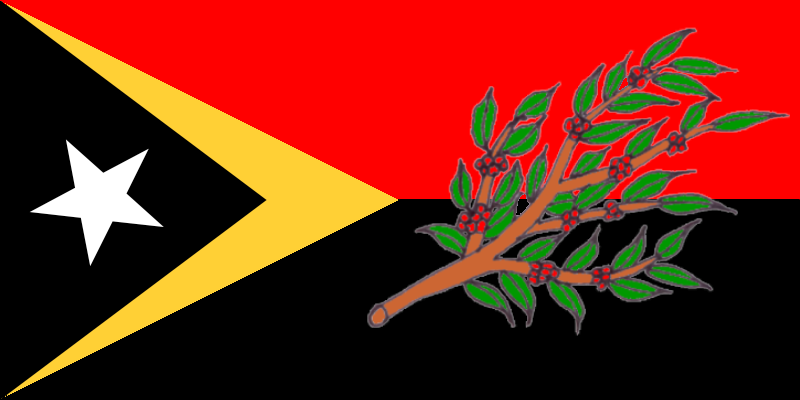
Agriculture is the dominant livelihood. Ermera is one of Timor-Leste's most important coffee-producing areas, where smallholder farmers cultivate Arabica coffee for both domestic use and export. In addition to coffee, residents grow subsistence crops such as maize, root vegetables and vegetables. Local markets, cooperatives and community organisations play a key role in processing and selling produce.
History, culture and society
Like other parts of Timor-Leste, Ermera's modern history has been shaped by Portuguese colonial administration, the period of Indonesian occupation, and the national independence movement. Local languages such as Tetum and Mambai are commonly spoken alongside national languages. Cultural life includes harvest-related traditions, communal ceremonies and practices tied to village identity.
Notable facts and development
Ermera is often cited for its contribution to the country’s coffee exports and for having a strong tradition of smallholder production. Development efforts in the municipality focus on improving rural infrastructure, market access for farmers, and sustainable land use. The combination of cooler highland weather, agricultural productivity and proximity to national centres makes Ermera significant in Timor-Leste's economic and social landscape.
- Capital: Gleno
- Key activities: coffee cultivation, subsistence farming, local trade
- Social features: village-based governance, communal agricultural practices
Related articles
Author
AlegsaOnline.com Ermera Municipality Leandro Alegsa
URL: https://en.alegsaonline.com/art/31983