
Alytus County
Alytus County (Alytaus apskritis) is a southern Lithuanian region centered on the city of Alytus. It is known for forests, lakes, spa towns, and cultural links to the Dzūkija region.
Overview
Alytus County (Alytaus apskritis) is one of the ten counties that make up the Republic of Lithuania. Its administrative centre and largest city is Alytus. The county occupies a largely rural part of southern Lithuania and serves as a local hub for services, culture and regional administration.
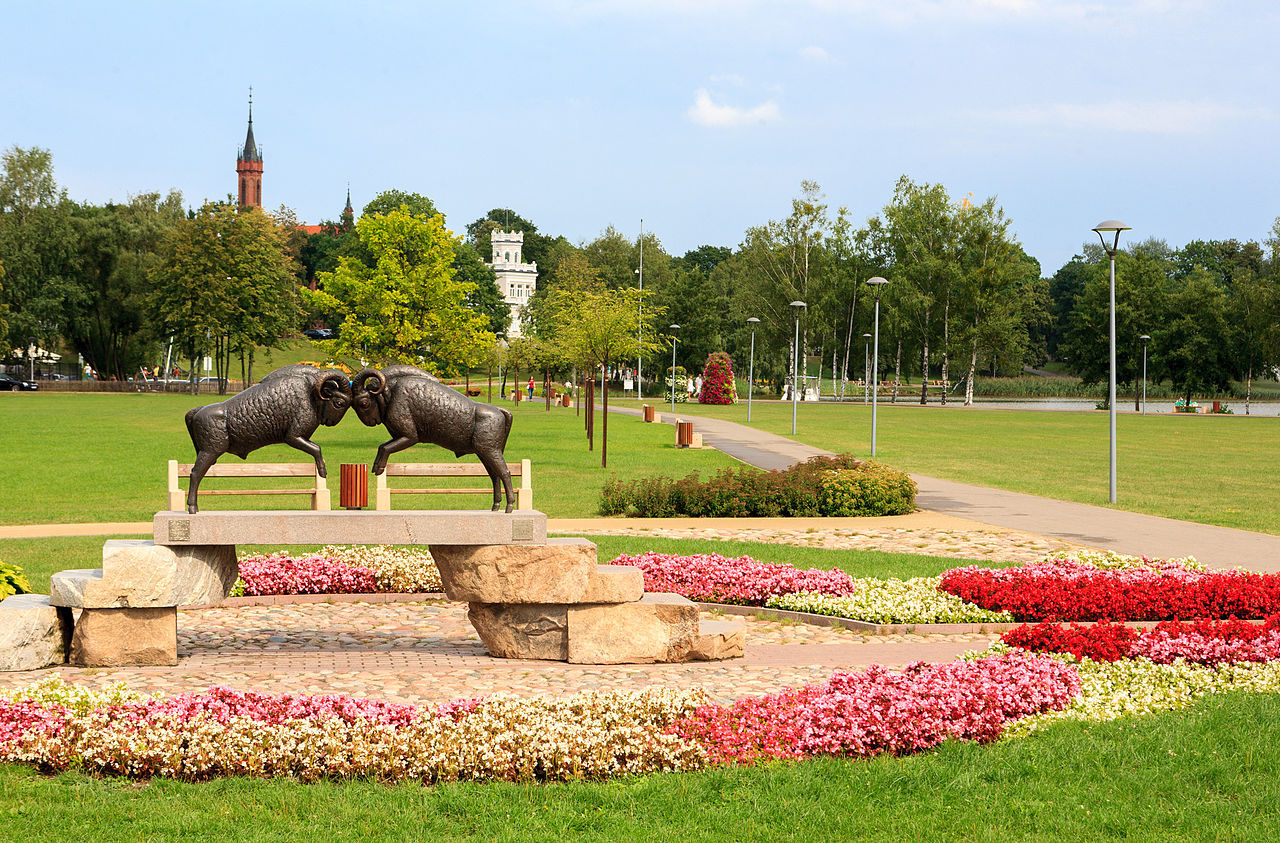
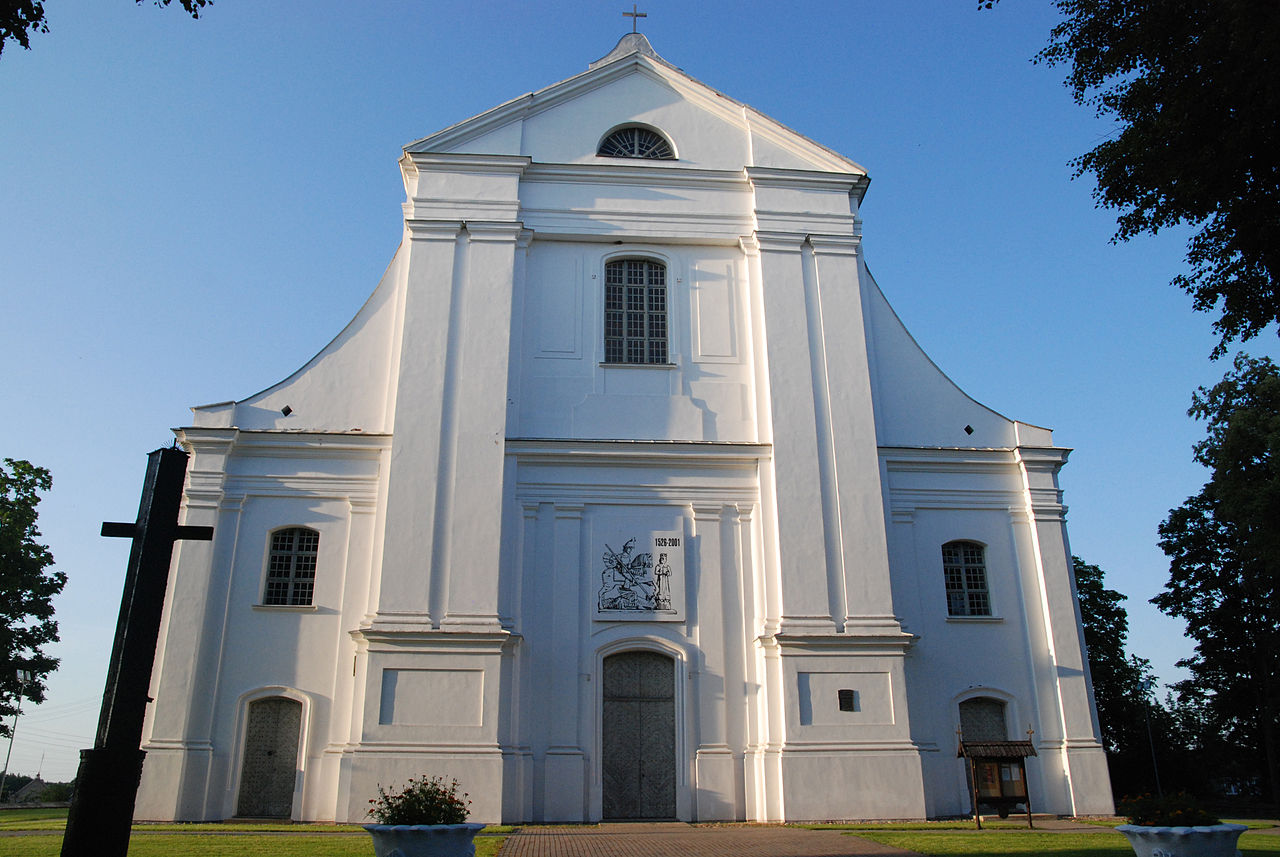
Image gallery
10 Images



Geography and natural features
The landscape combines mixed forests, lakes and river valleys, with the Nemunas River among the major waterways near the county seat. Large tracts of woodland support traditional forestry and outdoor recreation. Protected areas and nature reserves preserve local biodiversity and provide opportunities for hiking, birdwatching and fishing.
History and development
The area has long been part of the historic region of Dzūkija, with roots in the Grand Duchy of Lithuania and later administrative changes under different states and modern Lithuanian governance. In recent decades the county has evolved from a primarily agricultural territory toward a more varied economy while retaining regional cultural traditions.
Economy and culture
Economic activity blends agriculture, forestry, light industry and tourism. Spa towns and recreational centres draw visitors for health and nature tourism, while local crafts, folk music and seasonal food traditions reflect the region's Dzūkija heritage. Communities in the county sustain small-scale farming and cottage industries alongside service-sector growth.
Administration and local communities
The county includes several municipalities and towns, with Alytus as the main urban centre. Other notable settlements and visitor destinations include spa resorts and market towns that act as local service centres. Regional transport links connect the county to larger Lithuanian cities and neighbouring areas.
Notable facts and distinctions
- Alytus County is associated with the cultural region of Dzūkija, known for its forests and folk traditions.
- The city of Alytus is an administrative, cultural and economic focal point for the county.
- Protected natural areas and recreational sites support tourism based on health, nature and outdoor activities.
Related articles
Author
AlegsaOnline.com Alytus County Leandro Alegsa
URL: https://en.alegsaonline.com/art/3181
Sources
- hdi.globaldatalab.org : "Sub-national HDI - Area Database - Global Data Lab"