
Alzette — river of Luxembourg and northeastern France
The Alzette (Luxembourgish Uelzecht, German Alzig) is a river rising in France and flowing through Luxembourg to join the Sauer; notable for towns along its course and its appearance in Luxembourg's national anthem.
Overview
The Alzette (Uelzecht in Luxembourgish, Alzig in German) is a small but regionally important river that begins in France and continues its course into Luxembourg. It is a right tributary of the Sauer, and therefore part of the larger drainage basin that eventually drains into the Rhine. The general source coordinates are sometimes given as 49°50′53″N 6°06′43″E.
Image gallery
5 Images



Physical characteristics and course
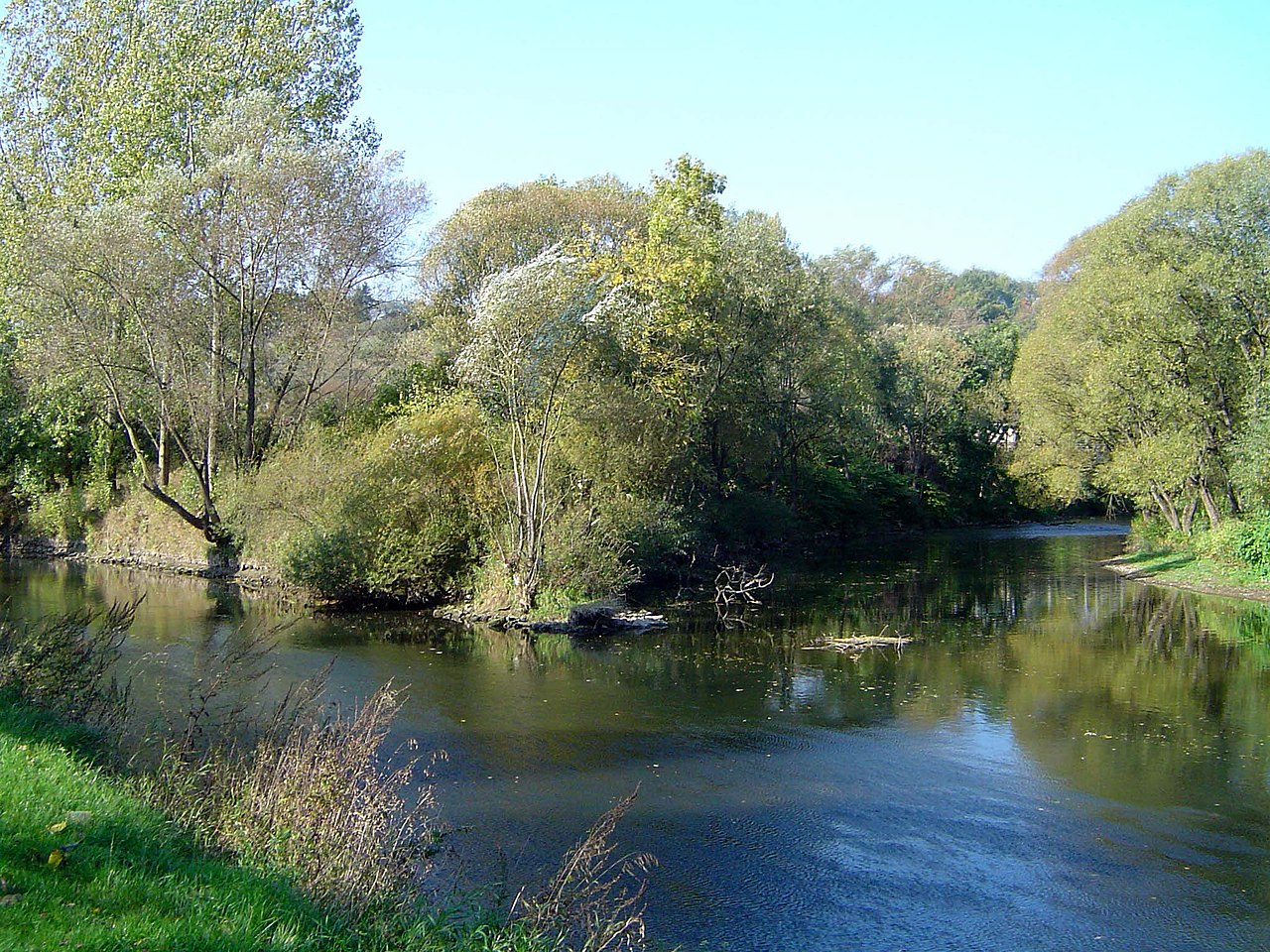
The Alzette is a lowland river that cuts through a mix of rural valleys and urban areas. From its headwaters in northeastern France it flows north and then east into Luxembourg, where it meanders through narrow valleys and broader floodplains before meeting the Sauer. Along its course the river receives smaller streams and crosses a region of mixed geology, which influences local water levels and riverbank vegetation. Seasonal variations and urban drainage affect flow and water quality in populated stretches.
Towns and landscapes along the Alzette
Several towns and cities developed on or near the Alzette because the river provided water, transport routes and fertile floodplain soils. Notable settlements include:
- Esch-sur-Alzette and other industrial towns that grew during the 19th and 20th centuries
- Luxembourg City, where the river's valleys contribute to the city's topography and historic quarters
- Smaller villages and agricultural communities that line the upper reaches
History, culture and national symbolism
The Alzette has a visible place in Luxembourgish identity: it is explicitly named in the national anthem Ons Heemecht, with a line rendered in French as Où l'Alzette arrose champs et prés.... Over centuries the river's valleys were used for mills, local transport and as boundaries between parishes. Industrialization altered many stretches, while modern river management has sought to balance flood protection with ecological restoration.
Uses, ecology and contemporary issues
Today the Alzette supports urban drainage systems, recreational use and pockets of riparian habitat. Conservation efforts focus on improving water quality, reconnecting the river with its floodplain where feasible, and protecting native species. In urban zones, the channel has been engineered in places, which poses challenges for biodiversity and flood management. Local authorities and environmental groups carry out monitoring and small-scale restoration projects to address these issues.
Notable facts
The river is a good example of a watercourse whose role has shifted from pre-industrial resource to modern ecological and cultural asset. Its journey from a French source to confluence with the Sauer illustrates cross-border river management in a compact European setting. For maps and precise location data see the commonly cited coordinates above and regional hydrographic references.
Coordinates • Luxembourgish name • German name • river • France • Luxembourg • right tributary • Sauer • drainage basin • Ons Heemecht • French lyric
Questions and answers
Q: What are the coordinates of the Alzette River?
A: The coordinates of the Alzette River are 49°50′53″N 6°06′43″E / 49.84806°N 6.11194°E / 49.84806; 6.11194.
Q: What is the name of the river in Luxembourgish?
A: The name of the river in Luxembourgish is Uelzecht.
Q: What is the name of the river in German?
A: The name of the river in German is Alzig.
Q: What drainage basin does it belong to?
A: The Alzette River belongs to the drainage basin of the Rhine River.
Q: Is it a tributary or an independent river?
A: It is a right tributary, not an independent river.
Q: Is there any special significance to this river?
A: Yes, it is sung about in Ons Heemecht, which is Luxembourg's national anthem.
Related articles
Author
AlegsaOnline.com Alzette — river of Luxembourg and northeastern France Leandro Alegsa
URL: https://en.alegsaonline.com/art/3182
Sources
- hydroclimato.lu : "Localisation géographique"
- services.sandre.eaufrance.fr : "L'Alzette (A89-0200)"