
Enoch (biblical figure and apocryphal traditions)
Enoch, named in Genesis as son of Jared and father of Methuselah, is famed for 'walking with God' and being taken by God; he became the focus of apocryphal books and later Jewish, Christian, and Islamic traditions.
Overview
Enoch is a brief but significant figure in the Hebrew Bible. He is listed in the genealogies of Genesis as a descendant of Adam, the son of Jared and father of Methuselah. Genesis also records that Enoch "walked with God" and that he was taken by God rather than experiencing a normal death. For the biblical text and study, see the broader Bible and the relevant passage in the Book of Genesis.
Image gallery
6 Images

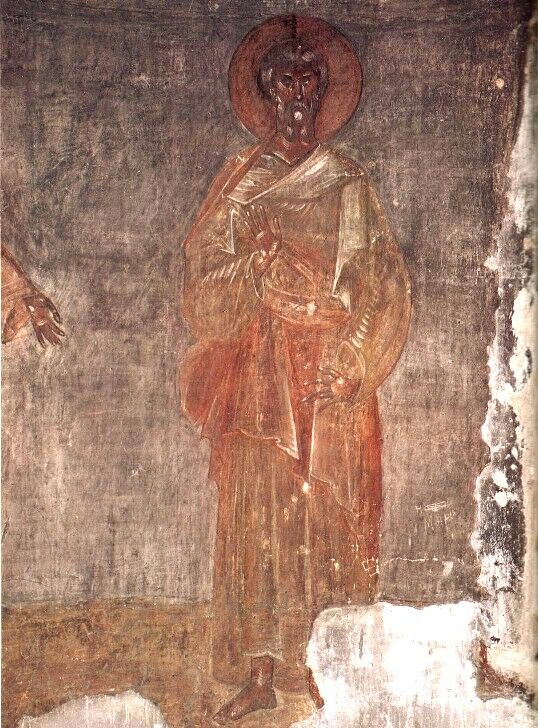


Biblical account and characteristics
The canonical account of Enoch is concise: he is noted for righteousness and an unusual departure from life. Genesis describes his close relationship with the divine using the phrase "walked with God", a description that later interpreters read as indicating special favor, prophetic status, or mystical fellowship. Genesis also gives a lifespan that contrasts with later patriarchs, a detail that has attracted attention in religious commentary.
Apocryphal and pseudepigraphal literature
Beyond Genesis, Enoch appears at length in apocryphal writings attributed to him, most famously the collection known as 1 Enoch. These texts expand his role as visionary and intermediary, portraying journeys to heavenly realms, revelations about angels and the fate of the wicked, and teachings about future judgment. Though not part of most biblical canons, these writings influenced some strands of Second Temple Judaism and early Christian thought.
Religious significance and legacy
Enoch is referenced in New Testament literature and later tradition. The Epistle to the Hebrews cites his faith, and the Epistle of Jude quotes or alludes to an Enochic passage. In rabbinic and Christian tradition he is variously depicted as prophet, scribe, or exemplar of piety. Islamic tradition commonly identifies him with the prophet Idris.
Notable distinctions and reception
- Uniquely among biblical figures, Enoch is described as being taken by God rather than dying in the usual way.
- He inspired an extensive pseudepigraphal corpus that shaped ideas about angels, eschatology, and revelation.
- Interpretations of Enoch range from literal historical figure to symbolic exemplum of obedient life.
For introductory study consult modern commentaries and translations that discuss both the short Genesis notice and the wider Enochic literature; specialist treatments examine how later communities incorporated Enoch into theological and literary traditions.
Related articles
Author
AlegsaOnline.com Enoch (biblical figure and apocryphal traditions) Leandro Alegsa
URL: https://en.alegsaonline.com/art/31542
Sources
- wol.jw.org : Enoch