
English and British claims to the French throne
Claims by English and later British monarchs to the French crown, originating with Edward III in the 14th century, shaping the Hundred Years' War and persisting as a royal title until 1801.
Overview
From the mid-14th century until the start of the 19th century, successive English and later British monarchs asserted a claim to the crown of France. What began as a dynastic and territorial dispute developed into a long-term constitutional and symbolic claim: beyond battlefield ambitions it became part of royal style and heraldry for nearly five centuries.
Image gallery
10 Images



Origins and legal basis
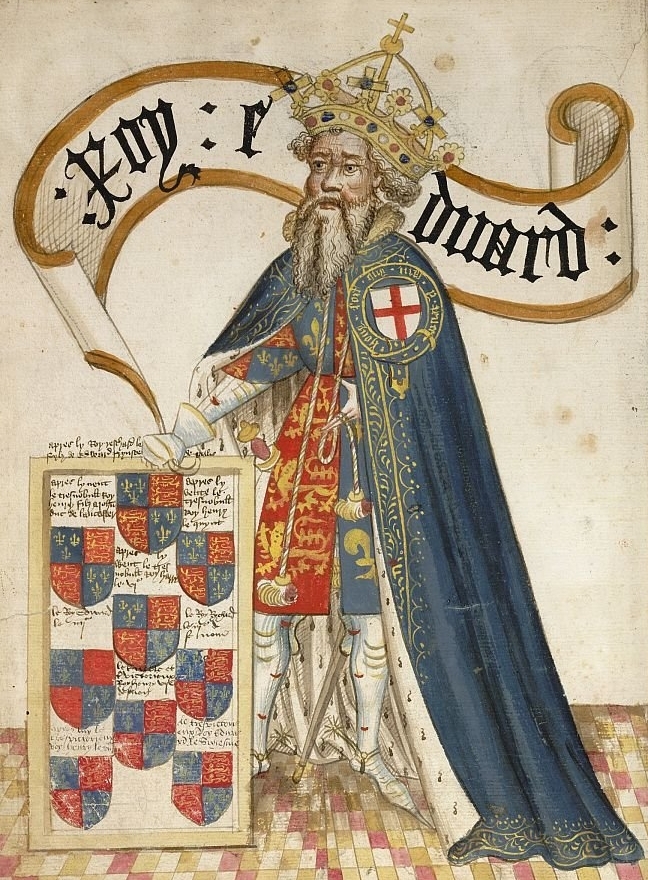
The principal origin of the English claim dates to Edward III, who in the 1330s advanced the idea that his maternal descent from the French royal house gave him a right to the French kingship. That assertion collided with French custom that effectively barred succession through the female line, an approach later described as Salic law. Competing interpretations of succession, together with overlapping feudal ties and the presence of extensive English-held territories in France, created the political tinder that ignited prolonged conflict.
Major events and development
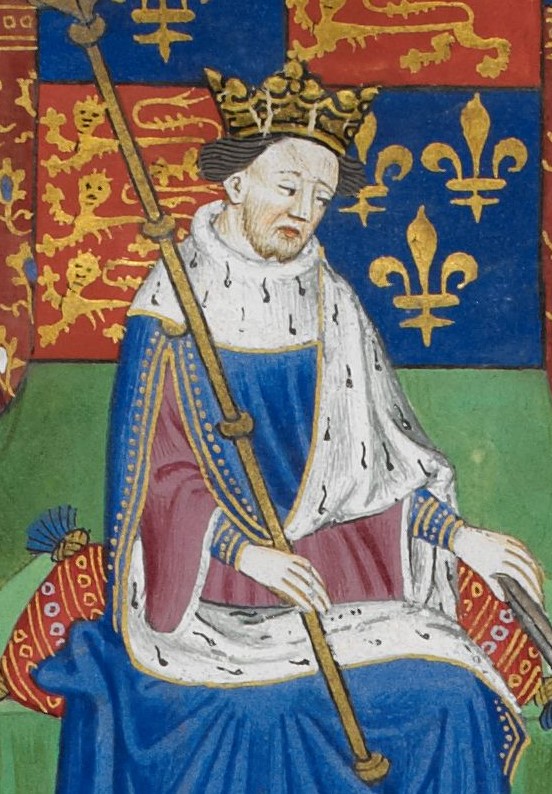
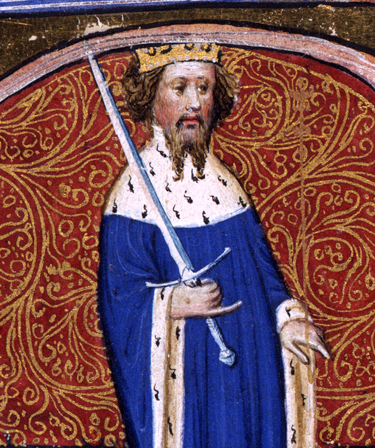
The dynastic dispute was a central cause of the Hundred Years' War (commonly dated c. 1337–1453). English kings achieved important victories at times—most famously Agincourt (1415) in the reign of Henry V—and for a brief interval English rulers and their heirs were recognized as rulers of parts of France by treaty. The Treaty of Troyes (1420) temporarily acknowledged an English succession in France, but shifting fortunes, the resurgence of French national resistance (notably associated with Joan of Arc), and gradual reconquest reduced English continental holdings. By the mid-15th century most territorial claims had been lost, although the dynastic claim in name continued.
Heraldry, royal style and persistence
Following Edward III, English monarchs incorporated the French arms—fleurs-de-lis—into the royal coat of arms and added the title "King of France" to their style. Even after the practical power to govern French provinces vanished, the title was retained as a matter of legitimacy and prestige. When the crowns of England and Scotland united under one sovereign in 1603, the composite monarchy continued the claim, and it survived the later union that created the Kingdom of Great Britain.
End of the claim and legacy
The explicit use of the title "King of France" by British monarchs ended in 1801. That discontinuation reflected changing diplomatic realities and the redefinition of British royal titles following the union with Ireland and European political upheavals around the time of the French Revolutionary and Napoleonic eras. Historically, the English and British claim to the French throne had important consequences: it stimulated centuries of warfare, influenced constitutional and diplomatic developments, shaped national identities on both sides of the Channel, and left a visible legacy in heraldry and legal argument about succession.
- Key figures: Edward III, Henry V, Henry VI, Charles VI of France, Joan of Arc.
- Key concepts: succession by descent, exclusion of female-line succession, feudal sovereignty, dynastic legitimacy.
- Notable results: periods of English rule in parts of France, long-term heraldic claims, eventual abandonment of the title.
Related articles
Author
AlegsaOnline.com English and British claims to the French throne Leandro Alegsa
URL: https://en.alegsaonline.com/art/31468
Sources
- royalcentral.co.uk : "The English Claim to the French throne – Royal Central"