
Elz, Hesse
Elz is a municipality and village in Limburg-Weilburg, Hesse, Germany, on the Lahn river. It is a small local center with historic roots and a population of about 8,000.
Elz is a municipality and village in Hesse, Germany, in the district of Limburg-Weilburg. It lies in the Lahn region and is closely connected with the nearby town of Limburg an der Lahn. As a municipality, Elz combines a compact village core with the functions of a local residential and service area.
Image gallery
4 Images


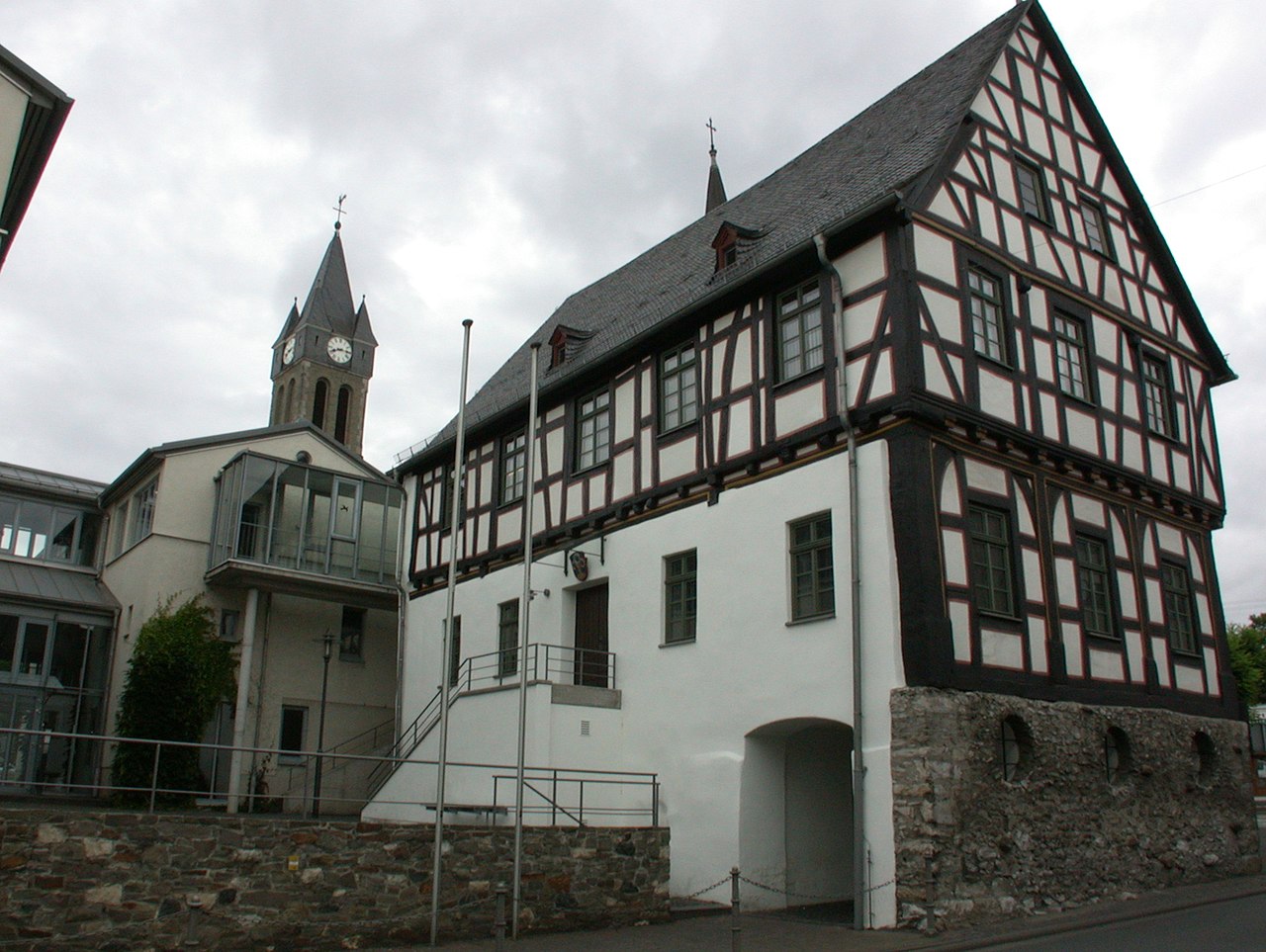
Geography and setting
The community is situated near the river Lahn, in a landscape shaped by river valleys, fields, and low hills. This location has long made Elz part of an important settlement corridor in western Hesse. Today, the municipality is known for its manageable size, local identity, and proximity to larger urban centers in the region.
History and development
Like many places in the Lahn valley, Elz developed from an older rural settlement into a modern municipality. Its history reflects the broader pattern of central German villages: agriculture was once the main basis of life, while later centuries brought stronger links to trade, administration, and commuting. Over time, Elz grew into a community that balances historic village character with contemporary housing and public services.
Local character
Elz is often described as a practical and well-connected community rather than a major tourist destination. Its significance lies in everyday life: schools, shops, local associations, and municipal institutions serve residents from the village itself and the surrounding area. The population has been around 8,000 in the early 21st century, making it a medium-sized municipality by local standards.
Why it matters
- It is part of the Limburg-Weilburg district and the wider Rhine-Main regional sphere.
- Its location on the Lahn gives it geographic and historical importance.
- It illustrates the role of small municipalities in rural and semi-urban Germany.
Elz is therefore best understood as a compact Hesse community with a long local history, strong regional ties, and a stable role in the everyday geography of the Lahn valley.
Related articles
Author
AlegsaOnline.com Elz, Hesse Leandro Alegsa
URL: https://en.alegsaonline.com/art/31056
Sources
- commons.wikimedia.org : Elz (Lahn) · web.archive.org
- destatis.de : destatis.de/DE/ZahlenFakten/LaenderRegionen/Regionales/Gemeindeverzeichnis/Administrativ/…
- statistik.hessen.de : "Bevölkerung der hessischen Gemeinden"