
Elizabeth Barrett Browning: life, work, and influence
English Victorian poet Elizabeth Barrett Browning (1806–1861), known for Poems (1844) and Sonnets from the Portuguese, combined lyrical craft with social conscience on slavery, child labour and personal themes.
Overview
Elizabeth Barrett Browning (born 6 March 1806, Kelloe, County Durham; died 29 June 1861, Florence) was one of the most prominent English poets of the Victorian era. She began composing verse in childhood and went on to publish prolifically as an adult, winning wide readership and critical attention. Her work blends intimate lyricism with political and moral engagement, and she remains best known for a sequence of love sonnets and for poems that addressed social injustice.
Image gallery
9 Images


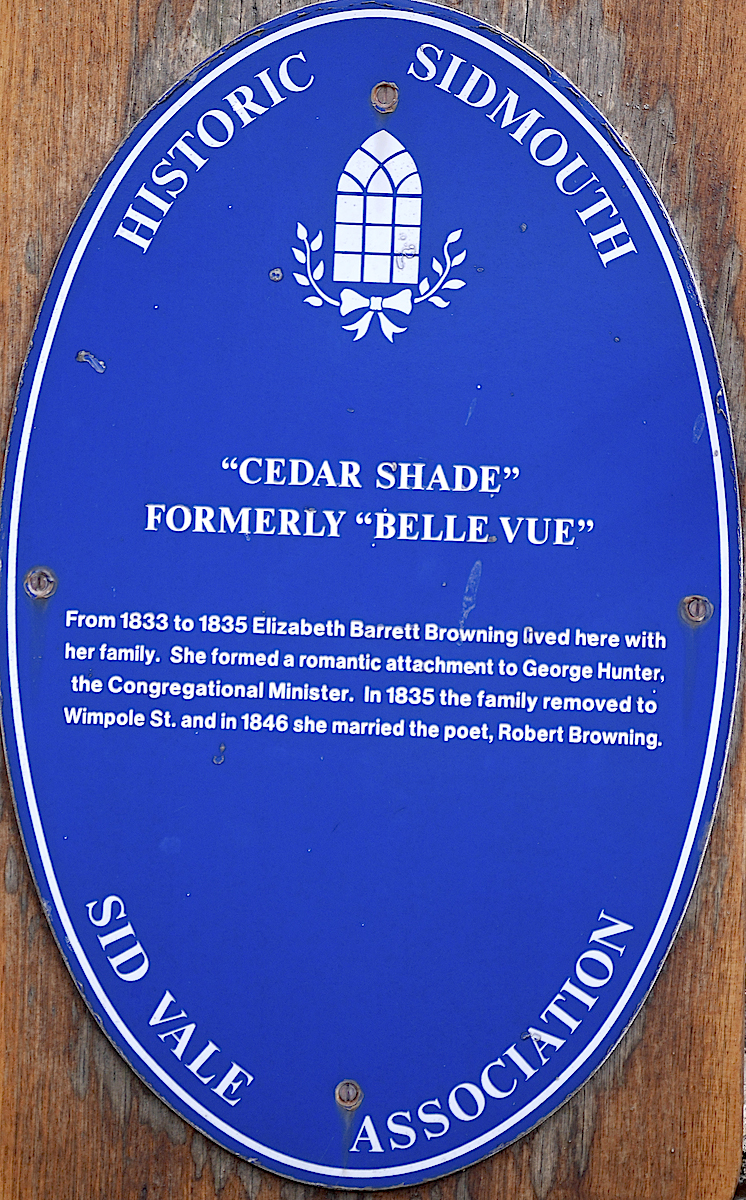


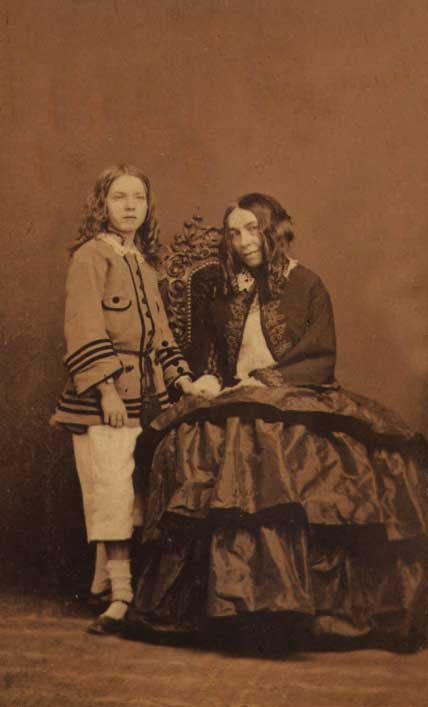
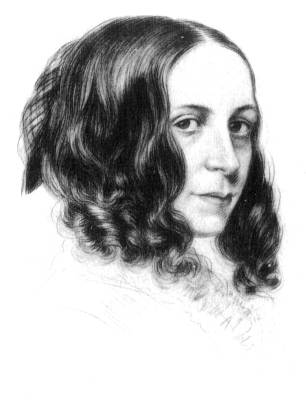
Early life and literary beginnings
Elizabeth was the daughter of Edward Barrett Moulton Barrett and Mary Graham Clarke. She wrote poetry from an early age and continued to develop her craft despite recurring ill health from about age 15. Her first adult collection appeared in 1838; a later volume published in 1844, often cited as a turning point, brought her new public recognition and established her as a major poetic voice. That collection helped attract the admiration of the younger poet Robert Browning, with whom she entered into an intense courtship and eventual marriage.
Major works and themes
Barrett Browning produced a range of poetry: long narrative and philosophical pieces, shorter lyrics, and tightly wrought sonnets. Her famous sonnet sequence, Sonnets from the Portuguese (published privately in 1850), collects love poems written during her courtship and marriage and includes some of her most quoted lines. Other notable works engage directly with social topics—poems such as "The Cry of the Children" and "The Runaway Slave at Pilgrim's Point" argue against child labour and slavery respectively. The volume often credited with raising her public profile is Poems (1844), which contains a mixture of personal, religious and political pieces.
Marriage, exile, and later life
Her correspondence with Robert Browning led to marriage in 1846 and a relocation to Italy, where the couple lived in Florence for the remainder of Elizabeth's life. The move was partly motivated by health and by a desire for greater privacy and creative opportunity. She continued to write in Italy, producing work that refined her expressive range and consolidated her reputation across Britain and the Continent. She died in Florence in 1861 at age 55.
Style, influence and social commitments
Barrett Browning's poetry is characterized by formal mastery, keen moral feeling, and a willingness to address public issues from a personal perspective. She combined classical learning and biblical imagery with the intimate voice of the lyric. Her social commitments are evident in poems that criticized slavery (abolitionist themes) and deplored the exploitation of children in industrial Britain (campaigns against child labour). While firmly part of Victorian literary culture, her work influenced later poets and has been the subject of continued literary and feminist study.
Selected facts and works
- Born: 6 March 1806, Kelloe, County Durham.
- Parents: Edward Barrett Moulton Barrett and Mary Graham Clarke.
- Early writing: composed verse from childhood; first adult volume published in 1838.
- Notable collections: Poems (1844), Sonnets from the Portuguese (1850).
- Social poems include works opposing slavery and child labour; she used poetry to engage public conscience.
- Marriage: Robert Browning (1846); thereafter lived in Florence until her death in 1861.
Elizabeth Barrett Browning remains an important figure for the breadth of her achievement—technical skill, emotional intensity and moral seriousness—and for the role she played in shaping Victorian poetry and public debate. Her letters, essays and poems continue to be studied for their artistic and historical value.
Related articles
Author
AlegsaOnline.com Elizabeth Barrett Browning: life, work, and influence Leandro Alegsa
URL: https://en.alegsaonline.com/art/30866