
Edwardsville, Alabama
Edwardsville is a small town in the U.S. state of Alabama. This article outlines its setting, government, history, community life, and notable local features.
Edwardsville is a small incorporated community in the U.S. state of Alabama. It is one of many modest towns that contribute to the state's rural and small‑town character. Residents and visitors typically find a mixture of residential neighborhoods, local businesses, and civic institutions that serve day‑to‑day needs.
Image gallery
4 Images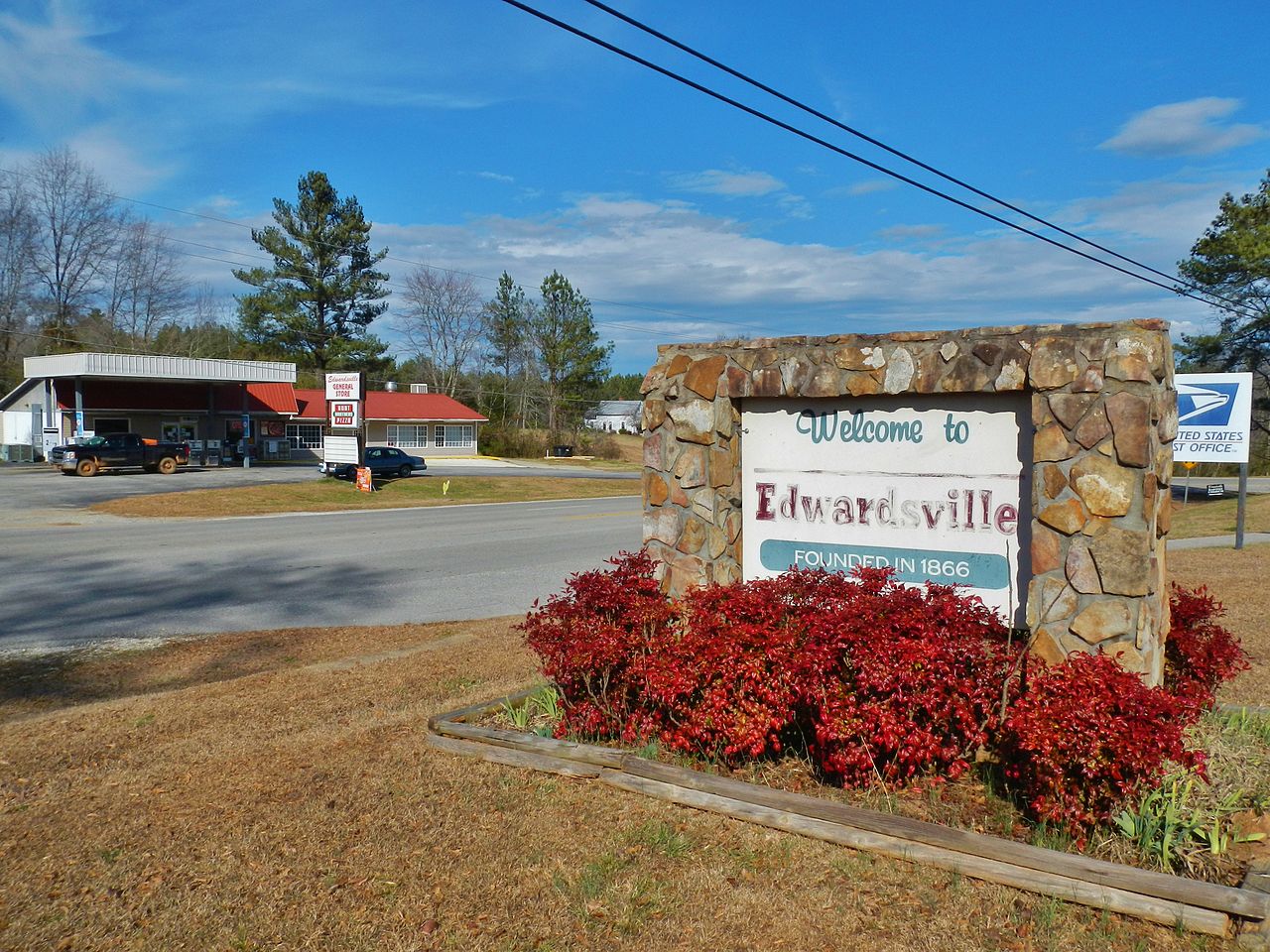


Geography and government
The town sits within Alabama and functions under a municipal government that handles local services such as road maintenance, zoning, and public safety. Like similar towns, it is linked administratively and economically to nearby cities and county-level government. For official information, a municipal or local government page can be consulted: Edwardsville municipal site. General state resources are available via the Alabama state portal: Alabama state information.
History and development
Edwardsville's origin reflects common patterns in the region: settlement in the 19th century followed by gradual development around agriculture, local trade, and transportation routes. Many towns of this type bear the names of early landowners or influential local families. Over time, demographic and economic changes have shaped the town's size and character, with historical landmarks and older buildings sometimes preserved as reminders of its past.
Community, services, and economy
The local economy is typically anchored by small businesses, service providers, and nearby employment centers. Community life often revolves around schools, churches, volunteer organizations, and seasonal events. Typical local facilities and services include:
- Primary civic buildings such as a town hall or community center
- Public and private schools serving local families
- Religious congregations that host social and charitable activities
- Small retailers, service shops, and agricultural operations
Visitors seeking regional attractions, parks, or visitor information can consult local tourism or county resources: regional visitor information.
Notable facts and distinctions
Edwardsville exemplifies many small towns in Alabama: a close-knit community, local traditions, and an economy shaped by its geography and neighboring population centers. It is representative of rural municipal life in the southeastern United States and often plays a role in preserving local history and regional cultural practices. For researchers or travelers, local historical societies or county archives are valuable starting points to learn more about the town's specific stories and landmarks.
Related articles
Author
AlegsaOnline.com Edwardsville, Alabama Leandro Alegsa
URL: https://en.alegsaonline.com/art/30310