
Education in Turkey: Structure, History, and Contemporary System
Overview of Turkey's national education system: levels, compulsory schooling, historical reforms, exams, higher education and current challenges in access and quality.
Turkey’s education system is a national, centrally organized network that provides schooling from early childhood through higher education. Compulsory education lasts 12 years and is designed to give all children a common foundation. Instruction is primarily in Turkish, with some language and elective options in foreign languages and minority language courses in limited contexts.
Image gallery
10 Images




Structure and levels
The formal system is commonly divided into several stages:
- Pre-primary: voluntary kindergartens and preschool programmes for children before primary school.
- Primary education: the first segment of compulsory schooling, focusing on basic literacy, numeracy and social studies.
- Secondary education: general, vocational and technical high schools that complete the 12 years of required education.
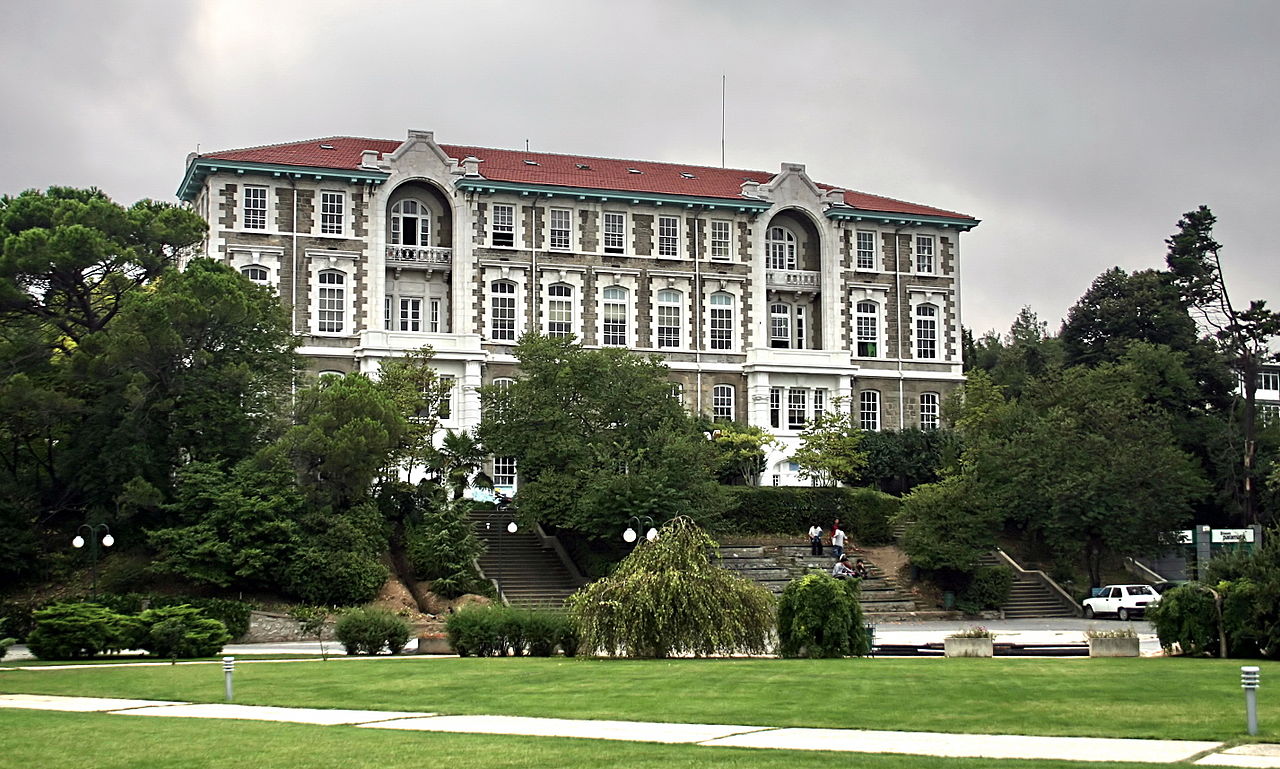
- Higher education: universities, faculties, vocational colleges and graduate programmes.
Curriculum, exams and progression
The national curriculum outlines subjects and learning goals across grades. Students move between levels through internal progression and national placement examinations: central exams play a major role in assignment to selective high schools and in university admissions. Vocational routes offer practical training and connections to the labour market.
History and reforms
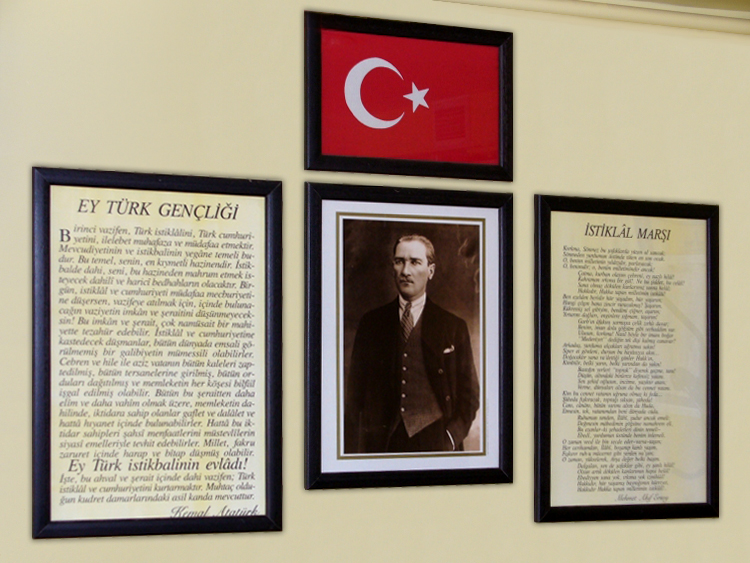
Modern Turkish public education was reshaped in the 1920s and 1930s as part of sweeping state reforms to create a secular, national system. These reforms, associated with Atatürk, centralized administration, secularized institutions and expanded access to basic schooling across the country. Subsequent decades have seen further curricular updates and structural changes to respond to demographic and economic needs.
Importance, challenges and recent trends
Education is a key policy area for Turkey’s social and economic development. Achievements include broadening enrolment and expanding higher education. Persistent challenges include regional disparities in access and quality, alignment of vocational training with labour market needs, and balancing centralized standards with local flexibility. Ongoing reforms aim to improve teacher training, assessment methods and inclusive education for diverse learners.
Stakeholders in the system include public and private schools, universities, the Ministry of National Education, local authorities and families. Together they shape how the system adapts to demographic change, technological advances and global educational trends.
Related articles
Author
AlegsaOnline.com Education in Turkey: Structure, History, and Contemporary System Leandro Alegsa
URL: https://en.alegsaonline.com/art/30243
Sources
- meb.gov.tr : Higher Education
- hurriyetdailynews.com : University numbers on the rise in Turkey
- educationinturkey.net : Guide For Foreign Students Who Wants To Education In Turkey