
East Turkestan: Geography, Peoples, and Political Context of Xinjiang
Overview of East Turkestan (Xinjiang): its geography, diverse peoples and Silk Road history, and the contemporary political, security, and human rights issues shaping the region within modern China.
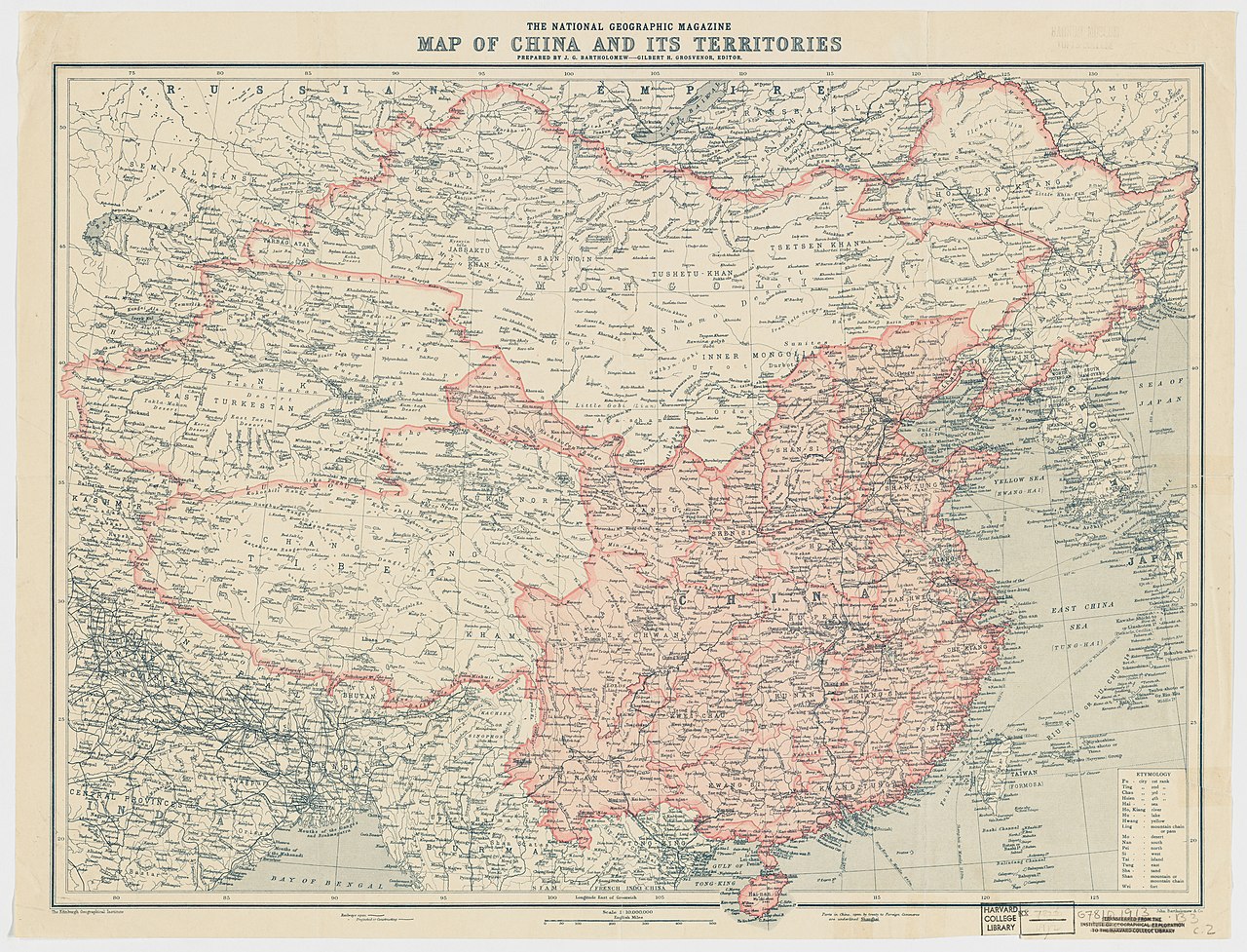
East Turkestan (also written Uyghuristan or Uyghurstan; in Uyghur Sherqiy Türkistan or Uyghuriye) denotes the eastern portion of the wider Turkestan region in Central Asia. The territory commonly identified by this name covers an area of about 1,664,900 km2 and had an estimated population of 21,813,334 in 2010.
Image gallery
10 Images




Name and contemporary usage
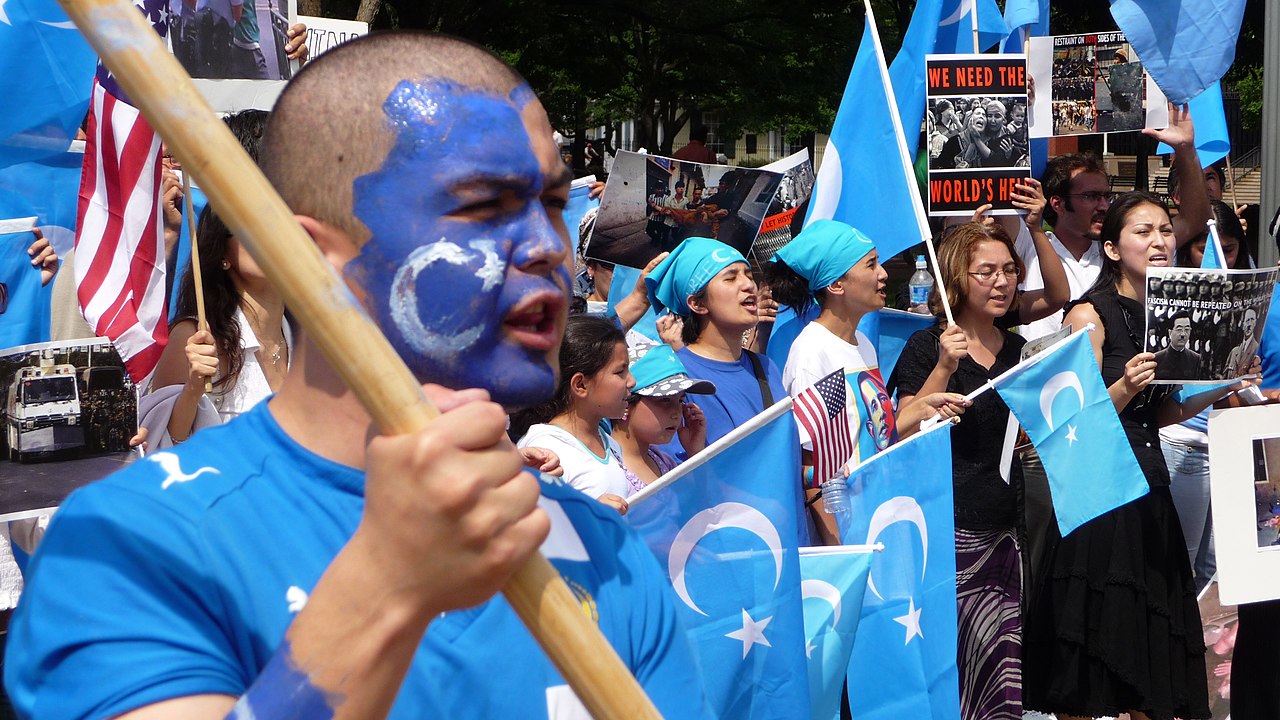
The label "East Turkestan" appears in historical writing, ethnographic descriptions, and political discourse. It is used by some scholars and by groups and individuals who emphasize the region's cultural and historical links with Turkic peoples. At the same time, the term is politically sensitive: official Chinese terminology refers to the area as the Xinjiang Uyghur Autonomous Region or simply Xinjiang. Different audiences therefore attach different meanings and connotations to the name.
Geography
The region lies in the far west of what is now the People's Republic of China and forms the eastern wing of the broader Central Asian expanse historically called Turkestan. Its landscape is varied, including:
- vast deserts such as the Taklamakan;
- major mountain ranges including parts of the Tian Shan and Kunlun mountains;
- river valleys and oases that historically supported populated caravan routes.
Population and communities
The area is home to a diverse mix of peoples. Ethnic Uyghurs are a prominent group, and the population also includes Han Chinese and a number of other Turkic and non-Turkic minorities such as Kazakhs, Kyrgyz, and Tajiks. Urbanization, migration and state development policies have shaped demographic change over the 20th and 21st centuries.
Brief historical outline
The territory now called East Turkestan has long been a crossroads on the Silk Road, linking East Asia with the Middle East and Europe. Over centuries it experienced shifting rule by local khanates, empires and nomadic confederations. In the 18th century much of the area came under Qing dynasty control. In the 20th century there were short-lived independent administrations known as East Turkestan republics in the 1930s and 1940s before integration into the modern Chinese state.
Political status and international attention
Today the area is administered as part of China. The name "East Turkestan" continues to be used by some activists and diaspora communities to express a distinct national or cultural identity. International observers and governments have increasingly focused on the region because of debates over security measures, human rights, cultural policies and economic development; these discussions are complex and politically charged.
Because the term spans historical, cultural and political meanings, its use varies by context: academic, governmental, journalistic and activist communities may each employ different terminology and emphasize different aspects of the region's past and present.
Related articles
Author
AlegsaOnline.com East Turkestan: Geography, Peoples, and Political Context of Xinjiang Leandro Alegsa
URL: https://en.alegsaonline.com/art/29714