
Dynasties in Chinese history: overview, patterns, and legacy
Survey of the major dynastic periods in Chinese history, their defining institutions and patterns, and their cultural and political legacy.
Overview
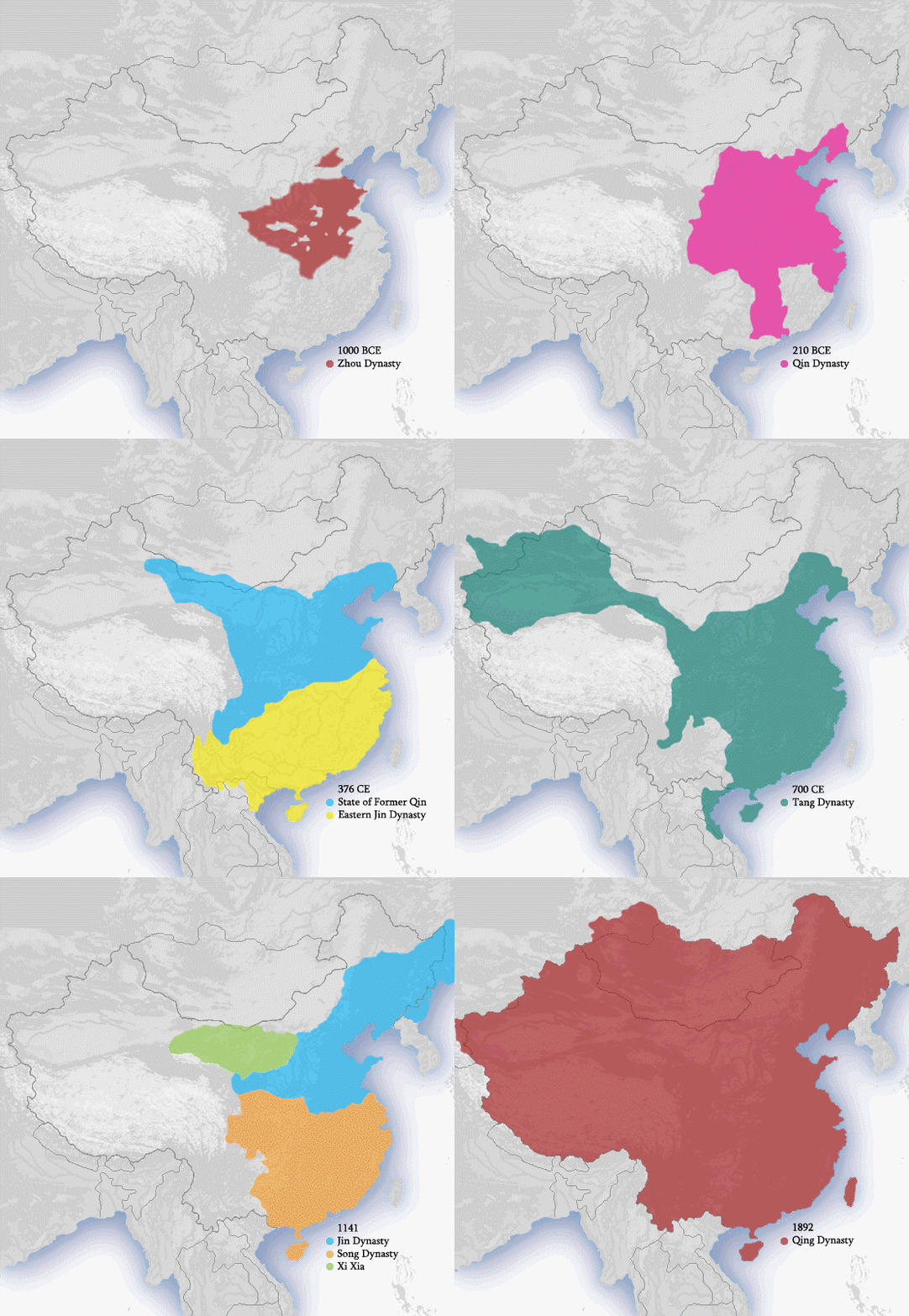
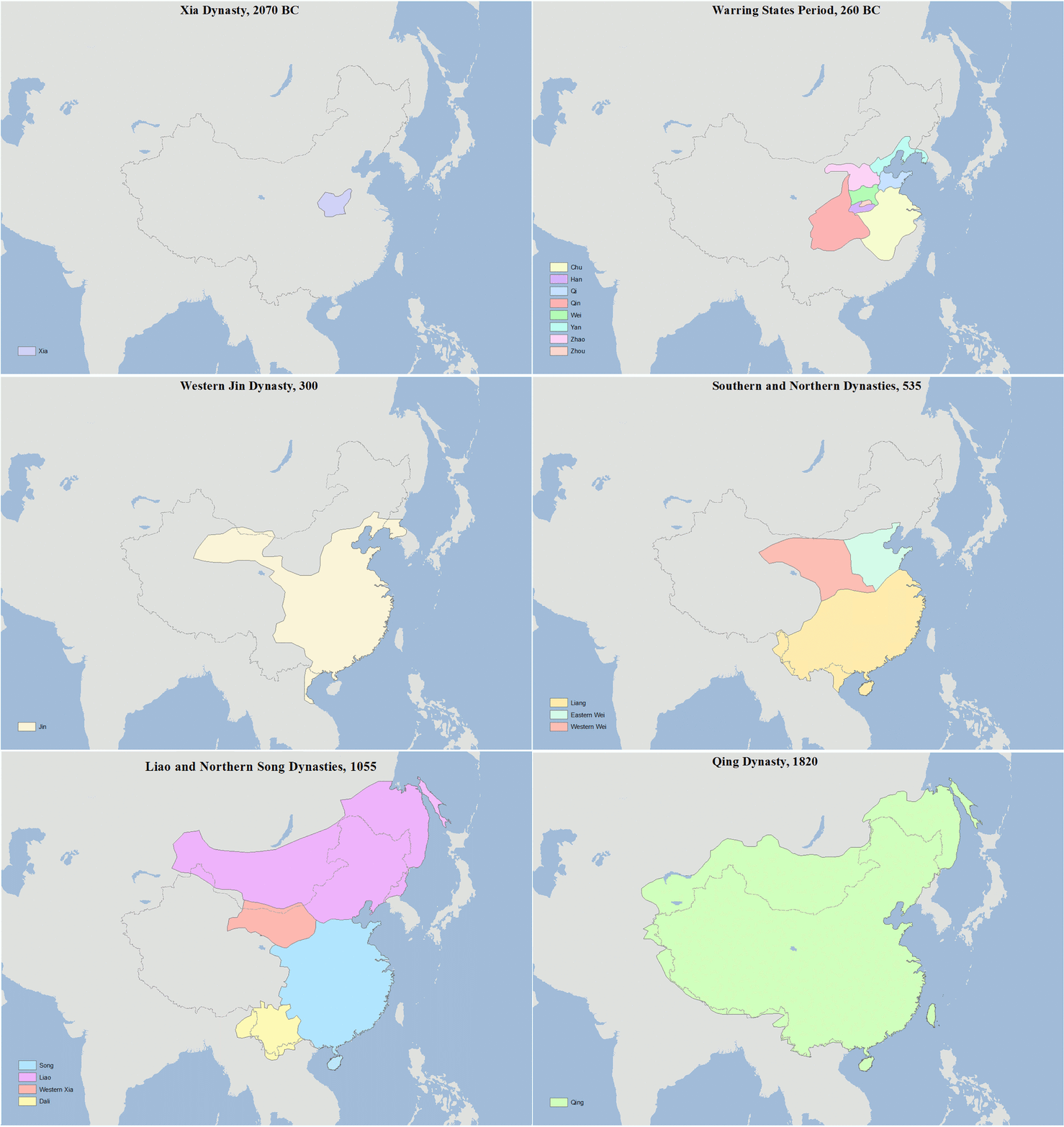
Chinese history is often described through the succession of dynasties: ruling houses that governed large parts of the territory now called China and shaped its institutions, culture, and identity. The dynastic framework helps organize long-term change — from early bronze-age polities through imperial unification, periods of division, and the eventual end of imperial rule in the early 20th century. For a concise chronological outline see chronological lists.
Image gallery
10 Images



Common characteristics
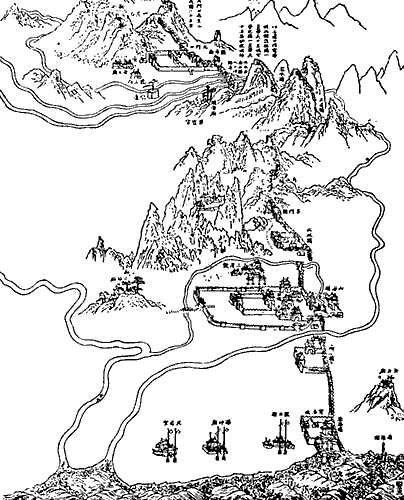
Many dynasties shared structural features. Rulers claimed legitimacy through a concept known as the Mandate of Heaven, which tied moral conduct and effective rule to the right to govern. Centralized bureaucracies staffed by officials — increasingly selected by examinations and scholarly training — were a hallmark of sustained dynastic rule. Dynasties also invested in large-scale projects: canals, walls, and capital cities that reflected administrative priorities.
- Early dynasties: formative state institutions and ritual traditions.
- Imperial unifiers: dynasties that centralized administration across vast regions.
- Fragmented eras: shorter regimes and regional courts competing for legitimacy.
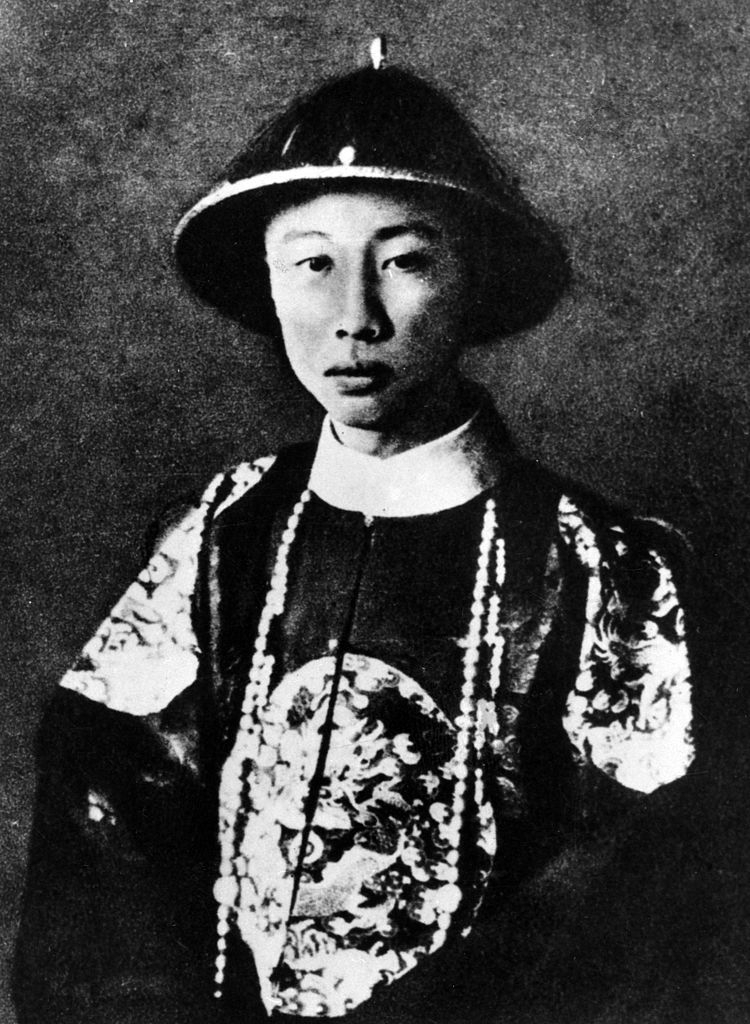
Major dynasties often mentioned in surveys include early Bronze Age polities, the Zhou and later imperial dynasties such as Qin, Han, Tang, Song, Yuan (a non-Han Mongol dynasty), Ming, and Qing (a Manchu dynasty). Each contributed distinct administrative practices, artistic achievements, and legal codes.
Patterns that recur across dynastic history include cycles of consolidation and disintegration, adaptation of foreign influences, and gradual institutional innovation. For discussion of political and social institutions, consult materials on governance and society: institutions and societal structures.
Why this matters: dynastic rule shaped language, law, land systems, scholarship, and the idea of a unified cultural realm often identified with the term China. Modern historians study dynasties to trace continuity and change, while also noting that the dynastic model simplifies complex local and ethnic diversity. Because interpretations evolve, accounts are best read cautiously and comparatively.
Related articles
Author
AlegsaOnline.com Dynasties in Chinese history: overview, patterns, and legacy Leandro Alegsa
URL: https://en.alegsaonline.com/art/29430