
Dungannon: market town and service centre in County Tyrone
Dungannon is a historic market town in County Tyrone, Northern Ireland, serving as a local centre for commerce, culture and surrounding rural districts with landmarks, sports clubs and archaeological sites.
Overview
Dungannon is a town in County Tyrone, located within Northern Ireland and the United Kingdom. It functions as a regional hub for the surrounding agricultural countryside, offering retail, civic services and community facilities. The town combines a compact commercial centre with residential suburbs and green spaces on its margins.
Image gallery
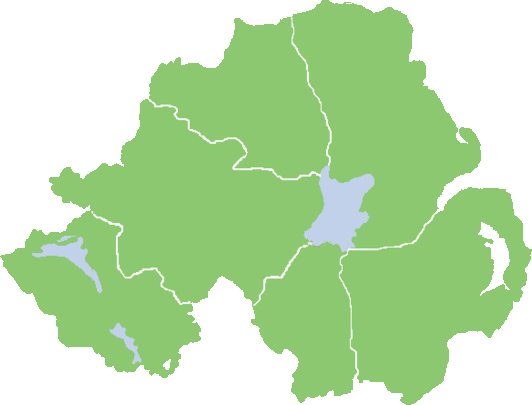
7 Images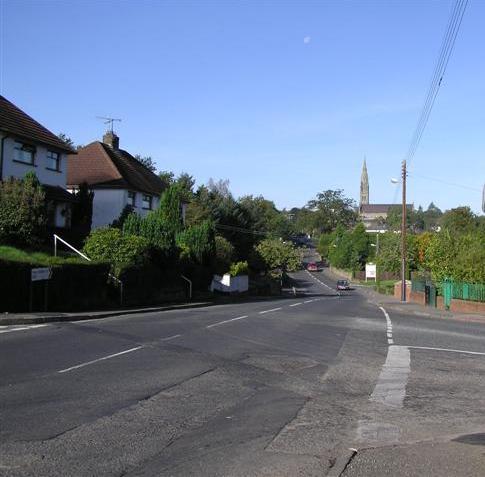


Characteristics and layout
Dungannon's urban fabric includes a main shopping area, secondary commercial streets and a mix of Victorian and more modern housing. Public parks, recreational grounds and community centres provide amenities for residents. Local education and health services support a catchment that extends into nearby villages and farms.
History and heritage
The area around Dungannon has a long history, with archaeological and historical associations stretching from medieval Gaelic lordships through the early modern period. Nearby sites commemorate the region's Gaelic rulers and later settlement patterns. Over time the town developed as a market and service centre for County Tyrone.
Economy and transport
Traditionally the local economy has been tied to agriculture and associated trades; in recent decades light industry, retail and services have grown. Dungannon is connected by regional roads to larger urban centres and provides public transport links for commuters and visitors. Its role as a local administrative and commercial node remains important for the surrounding rural area.
Culture, sport and places of interest
Community life in Dungannon includes cultural festivals, sporting clubs and heritage activities. Notable nearby attractions and facilities include:
- Historic and archaeological sites linked to the region's Gaelic past.
- Public parks and recreational areas used for leisure and events.
- Local sports clubs participating in regional football and Gaelic games.
- Markets, independent shops and civic institutions that serve the district.
Distinctions and contemporary relevance
While modest in size, Dungannon plays an outsized role as a focal point for County Tyrone's southern district. Its combination of historic associations, community organisations and everyday services illustrates the role of market towns in Northern Ireland as anchors for rural life and local identity.
Related articles
Author
AlegsaOnline.com Dungannon: market town and service centre in County Tyrone Leandro Alegsa
URL: https://en.alegsaonline.com/art/29241
Sources
- ninis.nisra.gov.uk : NI Neighbourhood Information Service