
Doorbell
A doorbell is a signaling device mounted by an entrance that notifies occupants of a visitor. Variants include mechanical, electric, wireless, and smart video doorbells used in homes and businesses.
A doorbell is a signaling device typically mounted at or near a door to alert occupants to a visitor. In its simplest form it uses a button and a sound-making mechanism: when someone presses the button the system produces an audible chime or bell inside the building. Modern doorbells can also provide visual alerts, two-way communication, and video monitoring.
Image gallery
7 Images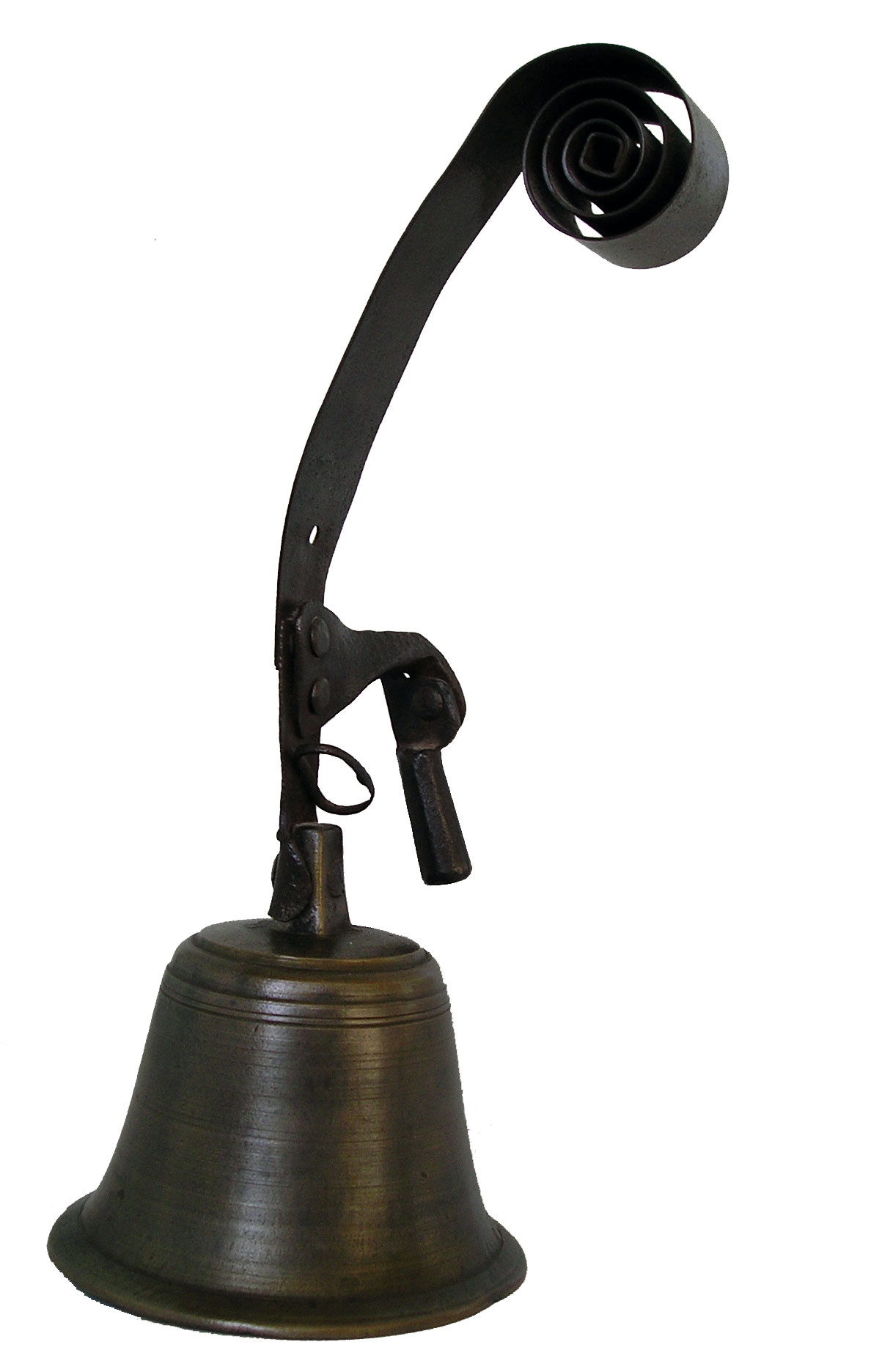



Components and common types
Most doorbells share several basic parts: an actuating switch (the button), a signaling element (bell, chime, speaker), wiring or radio link, and a power source. Typical categories include:
- Mechanical doorbells: Metal bell struck by a mechanical hammer.
- Wired electric doorbells: Low-voltage systems powered through a transformer and producing a chime or tone.
- Wireless doorbells: Battery-powered transmitters and receivers that communicate by radio.
- Smart and video doorbells: Networked units that stream audio and video to a smartphone or hub.
History and development
Doorbells evolved from simple knockers and bells. With the spread of electricity in the 19th and early 20th centuries, electrically actuated chimes became common in residences and businesses. Recent decades have seen rapid adoption of wireless and internet-connected models, integrating motion sensors and cloud services.
Uses, installation and examples
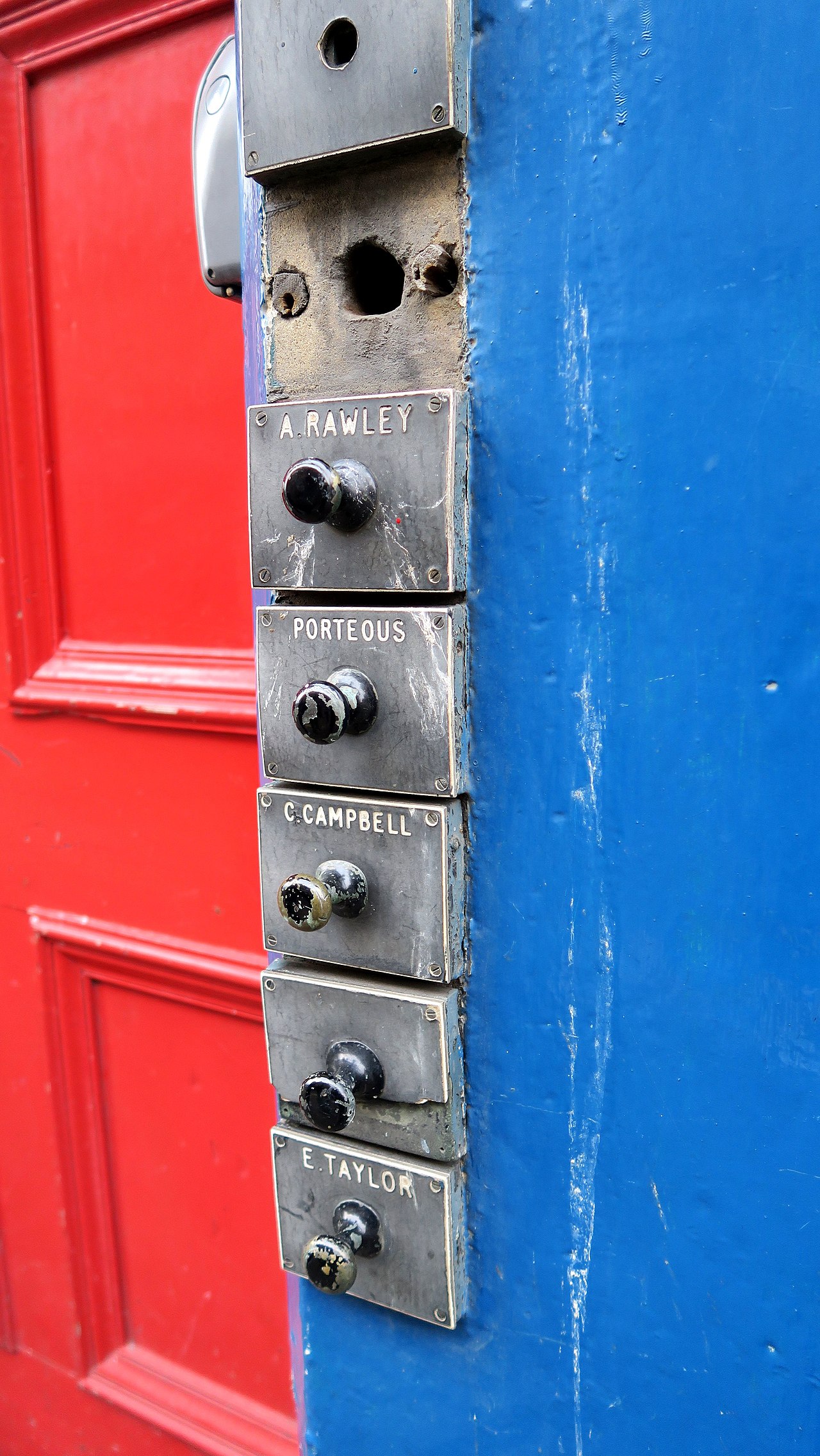
Doorbells serve both practical and safety roles: they announce arrivals, reduce the need to open doors to strangers, and can log visitors. Installation often places the button within easy reach beside the entry; many owners mount the chime unit inside where it is audible. For guidance on siting and wiring consult an installation guide or a qualified installer.
Privacy, accessibility and distinctions
Video-capable doorbells raise privacy and legal issues because they can record public spaces or neighboring properties; local laws and best practices vary. Accessibility features include visual flashers or vibrating alerts for people who are deaf or hard of hearing. Doorbells differ from related devices such as intercom systems, knockers, and peepholes by their signaling method and additional capabilities.
Notable facts and maintenance
Maintaining a doorbell may involve replacing batteries, checking transformer voltage, or updating firmware on smart units. Because they are simple but essential devices, doorbells remain a common point of home improvement and security upgrades. For consumer resources and product comparisons see further reading.
Related articles
Author
AlegsaOnline.com Doorbell Leandro Alegsa
URL: https://en.alegsaonline.com/art/28516