
Django Unchained
2012 revisionist Western by Quentin Tarantino about a freed slave turned bounty hunter who seeks to rescue his wife; acclaimed for performances and screenplay and noted for controversial depictions of slavery.
Overview
Django Unchained is a 2012 American revisionist Western film written and directed by Quentin Tarantino. Set in the antebellum United States around 1858, it blends revenge drama, dark comedy and stylized violence to tell a story rooted in slavery and retribution. The picture was released in the United States at Christmas 2012 and attracted wide public attention.
Image gallery
8 Images



Plot and main characters
The narrative follows Django, a freed slave turned bounty hunter who partners with a German dentist-turned-bounty-hunter, Dr. King Schultz. Their alliance leads them into the Deep South in search of Django's wife, who is held on a plantation. The film foregrounds themes of liberation, vengeance and moral ambiguity while using genre tropes from classic and spaghetti westerns.
Cast
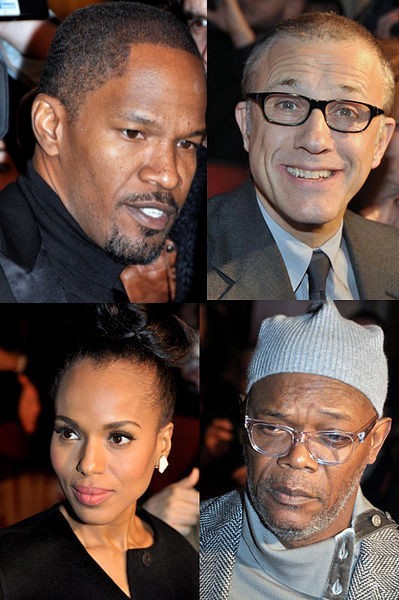
- Jamie Foxx as Django — the protagonist.
- Christoph Waltz as Dr. King Schultz — an ally and mentor figure.
- Leonardo DiCaprio as Calvin Candie — the plantation owner antagonist.
- Kerry Washington as Broomhilda, Samuel L. Jackson and others in supporting roles.
Production, style and influences
Tarantino conceived the film as a pastiche of Western subgenres and exploitation cinema, mixing operatic violence, witty dialogue and moral confrontation. He wrote the screenplay and shaped the picture’s tone around intense set pieces that echo both American Westerns and international films of the 1960s and 1970s. The film is often described as a "revisionist" Western because it reframes historical subjects through a contemporary, oppositional lens.
Reception, awards and impact
The movie was a commercial success and provoked strong critical response. Performances, particularly by Christoph Waltz, and Tarantino’s screenplay received praise; the film earned major awards and nominations, including recognition at the Academy Awards for its screenplay and supporting work. Its combination of entertainment, muscular plotting and formal play earned it a lasting place in popular cinema discussions.
Controversy and legacy
From its release the film sparked debate over its depiction of slavery, its frequent use of racial epithets, and whether stylized violence could sit alongside traumatic historical subject matter. Commentators were divided: some defended the film’s boldness and moral clarity, others criticized its tone and representational choices. Regardless, it remains one of Tarantino’s most discussed works and a notable example of contemporary filmmakers revisiting painful historical eras through genre films.
For further information, production notes and credits, see related resources: film page, director profile, lead actor, supporting actor, principal antagonist.
Related articles
Author
AlegsaOnline.com Django Unchained Leandro Alegsa
URL: https://en.alegsaonline.com/art/28031