
Quentin Tarantino
American filmmaker known for stylized violence, nonlinear storytelling and sharp dialogue. Writer-director of Reservoir Dogs, Pulp Fiction, Kill Bill, Django Unchained and other influential films.
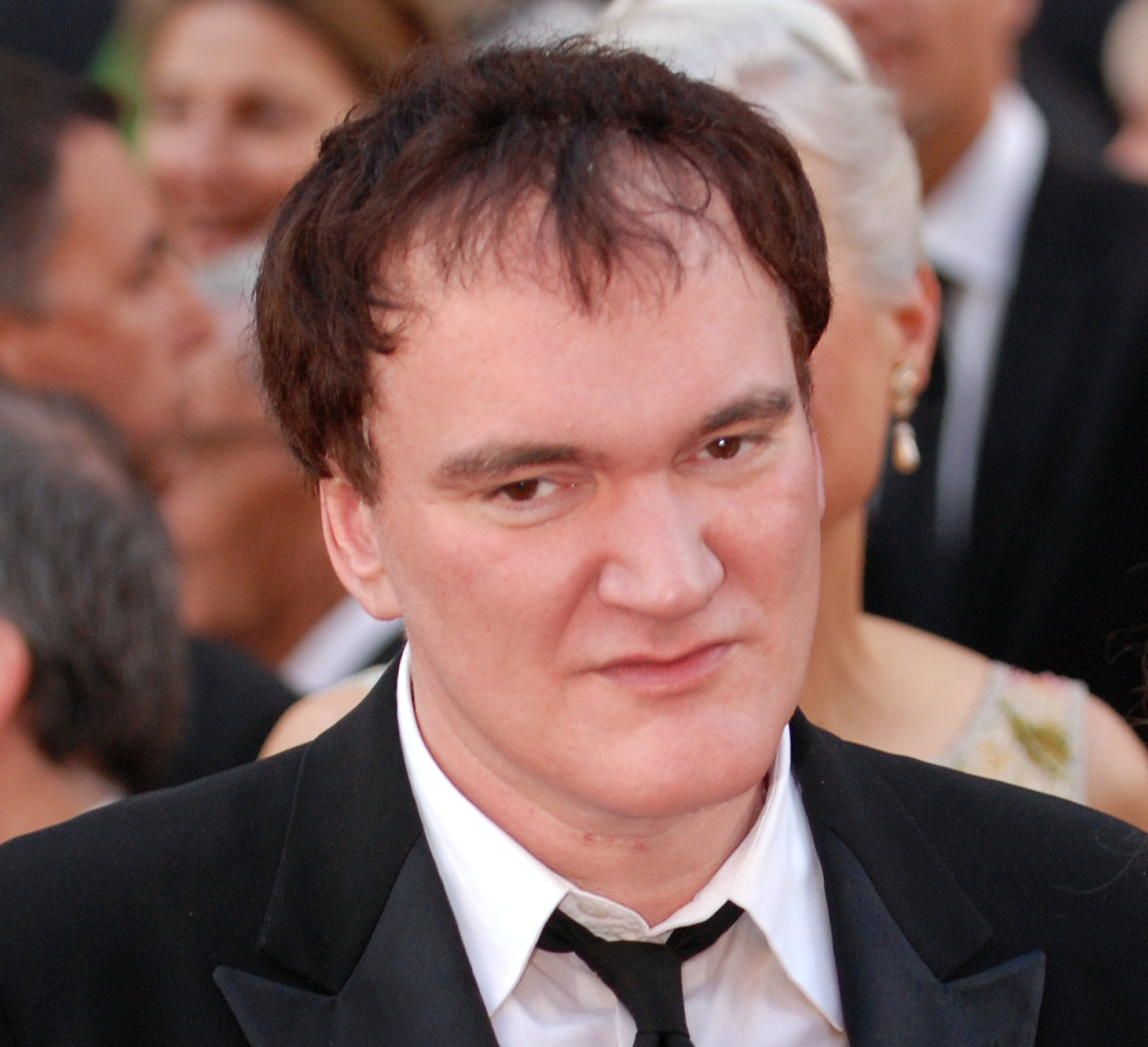
Quentin Tarantino (born March 27, 1963) is an American writer and director whose work has had a lasting influence on contemporary cinema. He first came to wide attention in the early 1990s as a leading figure in independent film, combining genre pastiche with original dialogue, vivid characters, and often graphic violence. Tarantino writes most of his own films, frequently directs them and sometimes appears in small acting roles.
Image gallery
10 Images





Early life and entry into film
Tarantino was born in Knoxville, Tennessee, and spent much of his childhood and adolescence in Southern California. He worked in a video rental store where he absorbed a broad range of movies—classic Hollywood, foreign-language genre films, kung fu and exploitation pictures—and used that encyclopedic knowledge to shape his own storytelling. His early involvement in screenwriting and low-budget production helped him transition from cult figure to mainstream success.
Style and recurring elements
Tarantino's signature traits include nonlinear narrative structures, extended conversational scenes, sudden bursts of violence and frequent homage to earlier film genres. He often blends humor with brutality, constructs memorable monologues, and selects eclectic soundtracks that give scenes a distinctive tone. Recurring collaborators include several actors and crew members who reappear across projects.
Notable films and recognition
Key films that defined his career include Reservoir Dogs (1992), Pulp Fiction (1994), Jackie Brown (1997), the two-part Kill Bill (2003–2004), Inglourious Basterds (2009), Django Unchained (2012), The Hateful Eight (2015) and Once Upon a Time in Hollywood (2019). Pulp Fiction earned widespread critical praise and major awards for its screenplay; Django Unchained also won him a second Academy Award for Best Original Screenplay. For summaries and career retrospectives see biography and career overview.
Influence and controversies
Tarantino is credited with revitalizing independent American cinema in the 1990s and inspiring filmmakers who admire his bold genre mix and dialogue-driven scenes. At the same time, his films have stirred debate because of graphic depictions of violence and frequent use of racial slurs, prompting discussions about artistic intent versus social responsibility. Critics and admirers alike continue to assess his legacy; for interviews and critical essays see interviews and critical analysis.
Production, collaborations and other work
Beyond directing, Tarantino has written scripts for other filmmakers, overseen production projects, and taken on occasional acting roles. He co-founded a production company to support his projects and to foster films in a similar spirit. His collaborations with composers, cinematographers and a stable of actors help create the tight aesthetic many viewers associate with his name. Additional information about his collaborators and credits is available at film credits and production notes.
Selected filmography
- Reservoir Dogs (1992) — breakout crime thriller; see details.
- Pulp Fiction (1994) — nonlinear, award-winning screenplay; see more.
- Kill Bill: Vol. 1 & 2 (2003–2004) — martial-arts pastiche and revenge saga.
- Django Unchained (2012) — revisionist Western that won him a second Academy Award; see award notes and production summary.
For those studying modern film, Tarantino remains a pivotal and controversial figure whose work provokes strong reactions and has helped shape 21st-century cinematic language.
Questions and answers
Q: Who is Quentin Tarantino?
A: Quentin Tarantino is an American filmmaker known for writing, directing, and acting in movies such as Pulp Fiction, Reservoir Dogs, and Kill Bill, among others.
Q: When was Quentin Tarantino born?
A: Quentin Tarantino was born on March 27, 1963 in Knoxville, Tennessee.
Q: What is Quentin Tarantino known for in his movies?
A: Quentin Tarantino's movies are known for their mix of violence and humor.
Q: What are some of the movies that Quentin Tarantino has written, directed, or acted in?
A: Quentin Tarantino has written, directed, and acted in movies such as Pulp Fiction, Reservoir Dogs, and Kill Bill, among others.
Q: Has Quentin Tarantino won any Academy Awards?
A: Yes, Quentin Tarantino has won Academy Awards for Best Original Screenplay in 1994 for Pulp Fiction and 2012 for Django Unchained.
Q: Is Quentin Tarantino a part of any movie studios?
A: No, Quentin Tarantino is an independent movie maker.
Q: What kind of movies can we expect to see from Quentin Tarantino?
A: Based on his past work, we can expect to see movies from Quentin Tarantino that are violent, humorous, and often include unconventional storytelling techniques.
Author
AlegsaOnline.com Quentin Tarantino Leandro Alegsa
URL: https://en.alegsaonline.com/art/129076