
Dionysius Exiguus: the monk who introduced the Anno Domini era
Dionysius Exiguus (c.470–c.544) was a Scythian monk who devised the Anno Domini system and produced important Easter tables and canonical translations that influenced medieval chronology and church practice.
Overview
Dionysius Exiguus was a Christian monk active in the early sixth century, born in Scythia Minor (in the region of modern Romania). He is most widely remembered for introducing the system of numbering years from the incarnation of Christ, a scheme commonly called the Anno Domini era. His computations and translations contributed to how medieval Europe reckoned time and calculated the date of Easter.
Image gallery
1 Image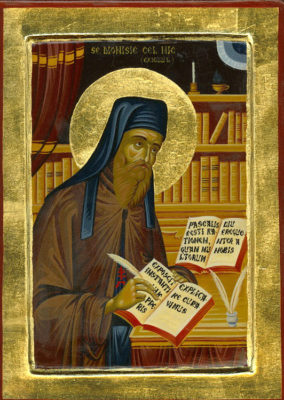
Life and historical context
Little is known about Dionysius’s personal life. He worked as a scholar in Rome and was proficient in Greek and Latin. The late antique period in which he lived was marked by efforts to reconcile different chronologies and to provide consistent methods for ecclesiastical dating, especially for the movable feast of Easter. Dionysius’s work fits into this broader practical and theological concern.
Creation of the Anno Domini era
Around the year 525, Dionysius produced a table for calculating Easter and, in doing so, introduced a new year-numbering system that began with the incarnation of Jesus. His intent was partly to replace the older Diocletian era, which commemorated an emperor associated with Christian persecution. He numbered years as "Anno Domini" (in the year of our Lord) followed by the year number; the system eventually provided the basis for the calendar labels used in Europe.
Works and methods
Dionysius translated and compiled ecclesiastical materials from Greek into Latin and produced Paschal tables (computus) to determine Easter dates for several decades. His outputs included collections of ecclesiastical canons and chronological tables used by church authorities. Key items associated with him include:
- Paschal tables for dating Easter.
- Latin translations and canonical collections used in church administration.
Adoption and long-term impact
The new dating convention spread slowly. It was adopted and publicized by later scholars, most notably the English monk Bede in the eighth century, and over centuries became the dominant system in Western Christendom. The year numbering introduced by Dionysius underlies the modern era labels used with both the Gregorian calendar and the Julian calendar, though calendar reforms and astronomical study later refined the method of dating and Easter calculation.
Notable points and limitations
Dionysius did not provide a year zero in his scheme and his reckoning of the exact year of the incarnation is now considered imprecise by many modern historians. Nevertheless, his system proved durable and influential. His combination of practical computus work and canonical scholarship left a lasting imprint on medieval chronology and liturgical practice.
Related articles
Author
AlegsaOnline.com Dionysius Exiguus: the monk who introduced the Anno Domini era Leandro Alegsa
URL: https://en.alegsaonline.com/art/27546