
Dieppe — port town on the Normandy coast of northern France
Dieppe is a historic port and seaside commune in Normandy, northern France, known for its maritime heritage, pebble beach, cliffs and role in 20th‑century history (population ~34,000).
Dieppe is a coastal commune and port in the Normandy region of northern France. Administratively it lies in the Arrondissement of Dieppe within the Seine‑Maritime area and historically belongs to what was called Upper Normandy. Today the town has an estimated population of around 34,000 and functions as a local economic and cultural center.
Image gallery
10 Images



Geography and setting
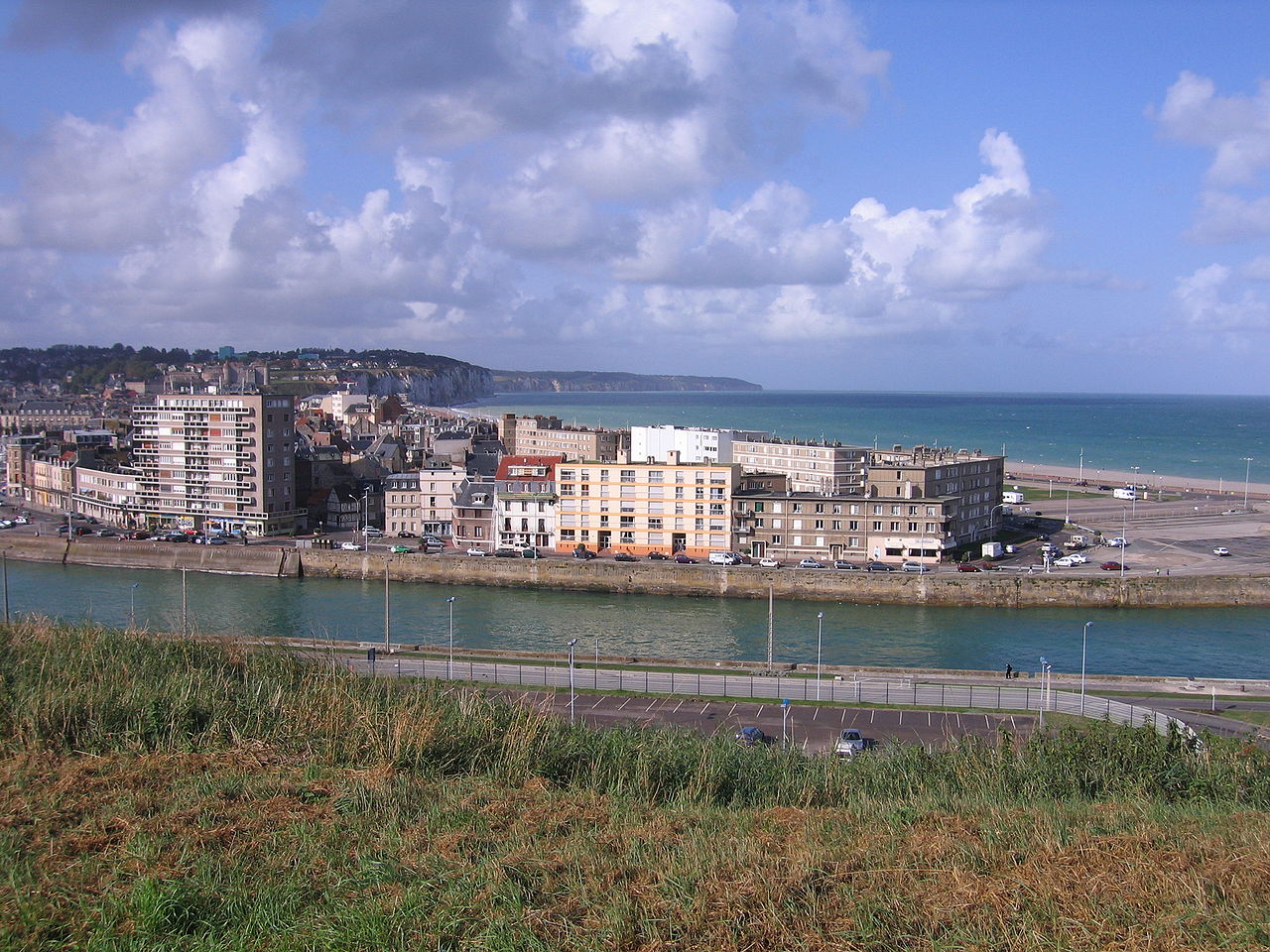
Located on the English Channel, Dieppe faces the Channel and the Isle of Wight across open water. Its shoreline features a long pebble beach backed by promenades and the white chalk cliffs of the Côte d'Albâtre (Alabaster Coast). The town's natural harbor and nearby fishing grounds have shaped its character for centuries.
History and development
Dieppe developed as a maritime town from the Middle Ages onward, with shipbuilding, fishing and trade forming the backbone of its economy. It has a layered past—medieval fortifications, a Renaissance-era maritime trade role, and significant events in modern times, most notably a major Allied raid in 1942 during the Second World War that left a lasting mark on local memory.
Economy, culture and uses
The local economy combines maritime activity, seafood processing (scallops are a regional specialty), commercial port functions and tourism. Visitors come for the seafront, seafood markets, sailing and to explore museums and historic streets. Dieppe has a maritime museum and cultural institutions that document its seafaring past and regional art traditions.
Notable places
- Château de Dieppe and its museum of local history and navigation.
- The old fishing harbour and modern marina, with seafood markets and promenades.
- Pebble beaches and cliff walks forming part of the Alabaster Coast landscape.
- Annual events, regattas and markets that draw regional visitors.
Dieppe's importance lies in its combination of strategic coastal location, maritime heritage and cultural life. It remains a gateway between France and the British Isles in historical memory and a destination for those interested in seaside landscapes, local cuisine and maritime history. For further regional context see pages about northern France and the surrounding departments.
Related articles
Author
AlegsaOnline.com Dieppe — port town on the Normandy coast of northern France Leandro Alegsa
URL: https://en.alegsaonline.com/art/27294