
Dick Gregory: Comedian, Activist, Writer, and Social Critic (1932–2017)
Overview of Dick Gregory, an American comedian and civil rights activist who used satire and writing to confront racism, promote social causes, and advocate for public health and justice.
Overview
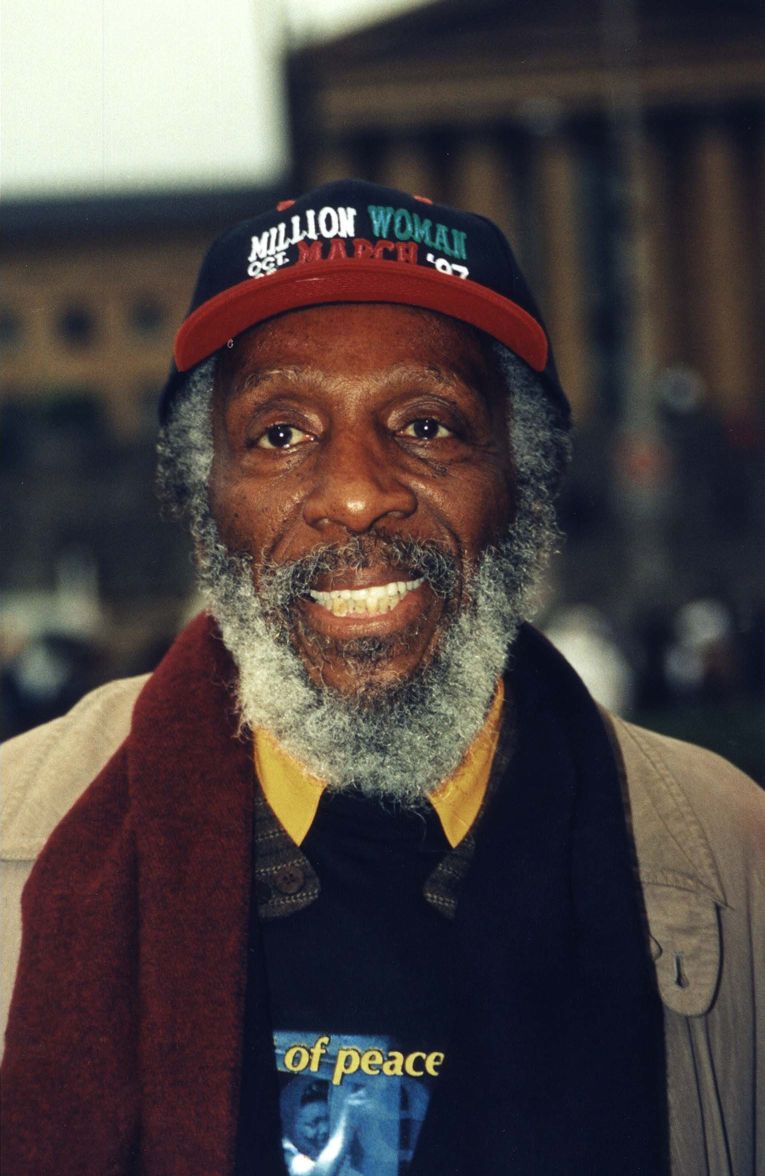
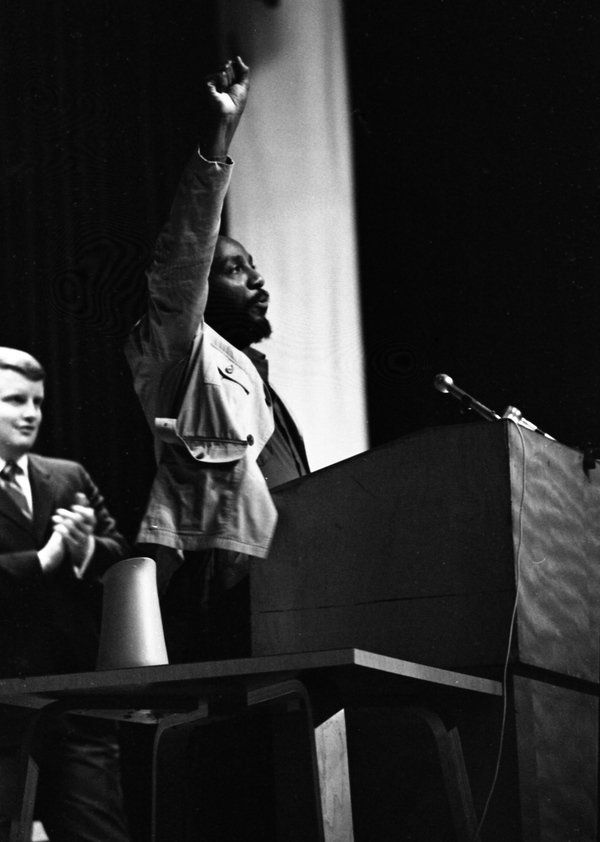
Dick Gregory (Richard Claxton Gregory, October 12, 1932 – August 19, 2017) was an American stand-up comedian, social critic, writer and entrepreneur. He became widely known for blending sharp satire with political commentary, using comedy as a tool to challenge racial injustice and public policies.
Image gallery
7 Images


Early life and comedic breakthrough
Gregory was born in St. Louis, Missouri, and spent much of his youth in Chicago, Illinois. He attended Sumner High School and later studied at Southern Illinois University Carbondale. Early in his career he performed in nightclubs and on television, developing a direct, incisive style that addressed race relations, inequality and everyday life. His routines were notable for turning painful realities into pointed, often uncomfortable, humor.
Activism, writing, and public life
Beyond comedy, Gregory was an active participant in the civil rights movement and other causes. He joined protests, civil demonstrations and public campaigns to confront segregation, economic injustice and U.S. foreign policy. As an author and speaker he expanded his audience, publishing autobiographical and political work that reflected his experiences and convictions. One of his books attracted strong attention for its provocative title and frank discussion of race in America.
Later work: health, advocacy and entrepreneurship
In later decades Gregory broadened his activism to include public health, nutrition and nonviolent protest tactics. He advocated for dietary change, organized fasts and used his platform to highlight inequalities in health care and criminal justice. He also engaged in entrepreneurial ventures and community projects while remaining a prominent public commentator.
Personal life and legacy
Gregory married Lillian Gregory in 1959; they raised ten children. He remained an outspoken voice on social issues throughout his life. Gregory is credited with helping to establish political stand-up as a form and with influencing subsequent generations of comedians and activists who use humor to address social and political topics. He died in a hospital in Washington, D.C., on August 19, 2017, of heart failure.
Notable aspects and examples
- Style: sharp satire that linked personal anecdote with political critique.
- Roles: performer, writer, protester and public advocate for health and civil rights.
- Output: stand-up recordings, books, public speeches and media appearances that reached wide audiences and provoked national discussion.
Gregory's combination of humor and activism made him a distinctive figure in American cultural and political life. Whether through stage performance, published work or street demonstrations, his career illustrates how entertainment and social engagement can intersect to challenge prevailing attitudes and push for change.
Related articles
Author
AlegsaOnline.com Dick Gregory: Comedian, Activist, Writer, and Social Critic (1932–2017) Leandro Alegsa
URL: https://en.alegsaonline.com/art/27185
Sources
- aeispeakers.com : Dick Gregory
- latimes.com : "Dick Gregory, who rose from poverty to become a groundbreaking comedian and civil rights activist, dies at 84"
- hollywoodreporter.com : "Dick Gregory, Trailblazer of Stand-Up Comedy, Dies at 84"