
Diablo II (action role-playing video game)
Diablo II is a dark-fantasy action RPG released in 2000 by Blizzard Entertainment; notable for loot-driven progression, skill trees, multiplayer via Battle.net, the Lord of Destruction expansion, and a 2021 remaster.
Overview
Diablo II is a dark‑fantasy action role‑playing game developed by Blizzard North and published by Blizzard Entertainment, first released in 2000. Played from an isometric viewpoint, it emphasizes fast combat, randomized loot, character progression through skills and equipment, and replayable acts with increasingly difficult enemies. The title achieved strong commercial success soon after launch and became one of the most influential PC action‑RPGs of its era.
Image gallery
2 Images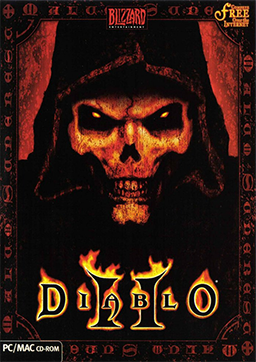

Gameplay and design
Players create a character from a selection of classes and advance by defeating monsters, completing quests and collecting weapons, armor and magical items. Progression centers on experience levels and skill trees: each class has distinct skill branches that can be invested in and specialized. Items are randomized in properties and rarity, creating a strong focus on "loot" as the primary reward loop.
- Character classes: The original game offered five base classes: Amazon, Necromancer, Barbarian, Sorceress and Paladin. The Lord of Destruction expansion later added two additional classes.
- Skill trees and customization: Skills are arranged into trees or categories; players tailor builds by allocating points and choosing equipment that complements chosen abilities.
- Items and systems: Randomized item generation, socketable equipment and later features such as runewords and set/unique items contributed to varied character builds and long‑term engagement.
- Hardcore and ladder play: Optional hardcore mode enforces permadeath, while ladder seasons provided competitive ranking and fresh economies.
Multiplayer and community
Online play was supported through Blizzard's Battle.net service, enabling cooperative play, player trading and competitive ladders. The persistent communities that formed around trading, ladder seasons and cooperative boss runs extended the game's longevity. Over time, players also ran private servers and created fan modifications that explored new content and balance changes.
Development, release and expansion
Diablo II launched in 2000 and was followed by the Lord of Destruction expansion in 2001. The expansion added Act V, two new classes (the Assassin and the Druid), increased level caps and numerous items, features and balance changes that became staples of the franchise. The game sold strongly at launch — reaching over a million copies within weeks — and went on to sell millions of copies worldwide.
Remaster: Diablo II: Resurrected
Decades after its original release, Blizzard produced a remastered edition titled Diablo II: Resurrected. The remaster updates visuals and cinematics, modernizes user interface conveniences and quality‑of‑life features while aiming to preserve the original game's mechanics and balance. It introduced the classic title to a new generation of players and renewed interest among longtime fans.
Legacy and influence
Diablo II is widely cited as a defining influence on the action‑RPG genre. Its emphasis on randomized loot, character customization through skills and items, and online ladder systems shaped many later games. The title fostered a long‑lasting community of players and has been a reference point in discussions of item economy, balance and multiplayer services.
Further reading and official resources
For official information and updates, consult the developer and product pages: Diablo II official page, Blizzard Entertainment, Lord of Destruction expansion, and Diablo II: Resurrected. These sources include release notes, support information and announcements related to the game and its services.
Related articles
Author
AlegsaOnline.com Diablo II (action role-playing video game) Leandro Alegsa
URL: https://en.alegsaonline.com/art/27077