
Division of Northern Territory (Australian federal electoral division, 1922–2001)
Former single federal electoral division for the Northern Territory (1922–2001). Its representative had limited voting rights until 1968 and the seat was later replaced by Solomon and Lingiari.
The Division of Northern Territory was the single Australian federal electoral division that represented the entire Northern Territory in the House of Representatives from its creation in 1922 until it was effectively replaced around 2001. Established by the Northern Territory Representation Act 1922, the division covered the whole territory and was unique among electorates because its member began with restricted parliamentary rights that evolved over several decades.
Image gallery
9 Images


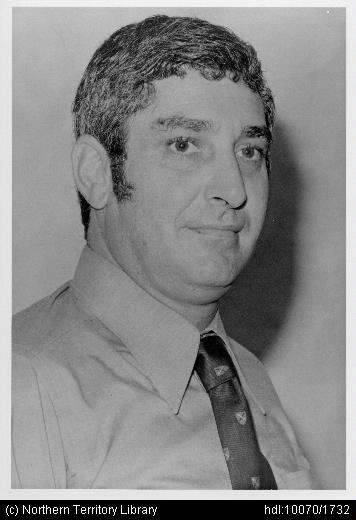

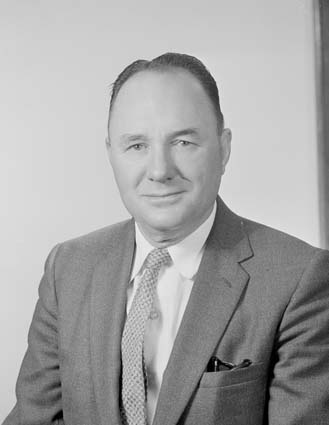
Early representation and voting rights
When the division was created, its Member of Parliament could attend the House and participate in committees but did not enjoy full voting rights. Between 1922 and 1936 the member could speak and serve on committees but could not cast votes on the floor. A partial change in 1936 allowed limited voting on Territory-related measures, and further adjustments in 1959 extended voting to laws affecting the Territory. Full voting privileges and recognition in the formation of government were not granted until 1968. These staged changes reflected the constitutional and political status of territories compared with Australian states.
Geography, role and challenges
As a single electorate covering an immense land area, the Division of Northern Territory posed distinctive challenges. It contained urban centres, notably Darwin, as well as vast remote regions and many Indigenous communities. Representing such a diverse constituency required balancing urban and remote interests, delivering services across great distances, and addressing issues of access, infrastructure and Indigenous affairs. The seat illustrated tensions inherent in providing equitable representation for sparsely populated but geographically large territory electorates.
Split into two divisions and legislative changes (2000–2004)
In December 2000 the single division was split to create two new electorates: Solomon, largely covering the Darwin area, and Lingiari, which encompassed the remainder of the Territory. This reorganisation aimed to improve representation by providing a dedicated urban electorate and a separate seat for the vast rural and remote areas. The period that followed saw legal and legislative adjustments: arrangements were modified briefly in the early 2000s and then settled by federal amendment in 2004, which left the Territory divided into the two electorates used today.
Notable aspects and legacy
- Unique trajectory of rights: the member's progression from no vote to full voting status illustrates how territorial representation evolved in Commonwealth practice.
- Scale and diversity: the former division spanned capital city environments and very remote communities, highlighting representation challenges for Australia’s territories.
- Modern successors: the Division of Northern Territory is historically important as the predecessor of the current divisions of Solomon and Lingiari, which continue to shape political representation in the Northern Territory.
The Division of Northern Territory remains an instructive example of how electoral boundaries and representative rights can change over time to respond to population patterns, geography and evolving notions of political equality within a federation. For more on the division itself and its successors see the linked entries on the division and the Territory.
Division of Northern Territory | Northern Territory | Solomon | Darwin | Lingiari
Questions and answers
Q: What was the Division of Northern Territory?
A: The Division of Northern Territory was an Australian Electoral Division in the Northern Territory.
Q: When was the Division of Northern Territory established?
A: The Division of Northern Territory was established in 1922, as a part of the Northern Territory Representation Act 1922.
Q: When did the Member for Northern Territory get full voting rights?
A: The Member for Northern Territory did not have full voting rights until 1968.
Q: Did the Member for Northern Territory count for the purpose of forming government before 1968?
A: No, the Member for Northern Territory did not count for the purpose of forming government before 1968.
Q: What were the voting rights of the Member between 1936 and 1959?
A: Between 1936 and 1959 the Member had limited voting on Territory laws.
Q: What happened to the Division of Northern Territory in December 2000?
A: In December 2000, the Division was split into two new divisions, the Division of Solomon and the Division of Lingiari.
Q: Is the Northern Territory currently divided into two Divisions or one?
A: The Northern Territory is currently divided into two Divisions, as of the Commonwealth Electoral Amendment (Representation in the House of Representatives) Act 2004.
Related articles
Author
AlegsaOnline.com Division of Northern Territory (Australian federal electoral division, 1922–2001) Leandro Alegsa
URL: https://en.alegsaonline.com/art/27949
Sources
- foundingdocs.gov.au : "Northern Territory Representation Act 1922"
- aec.gov.au : Australian Electoral Commission, Dates of Redistributions since 1901