
Aaron (brother of Moses and first Israelite high priest)
Aaron, the older brother of Moses, appears in the Hebrew Bible and the Qur'an. He served as Moses' spokesman, became the first high priest of Israel, and features in several key Exodus narratives.
Overview
Aaron is a central figure in the traditions of ancient Israel and is also mentioned in Islamic scripture. In Jewish and Christian texts he appears prominently in the Hebrew Bible/Old Testament, and in Muslim tradition he is known as Harun in the Qur'an. He is described as the older brother and partner of Moses, assisting in leadership during the departure from Egypt and the early desert period recorded largely in the book of Exodus.
Image gallery
9 Images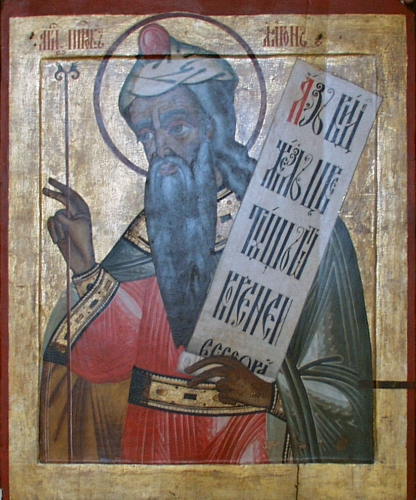
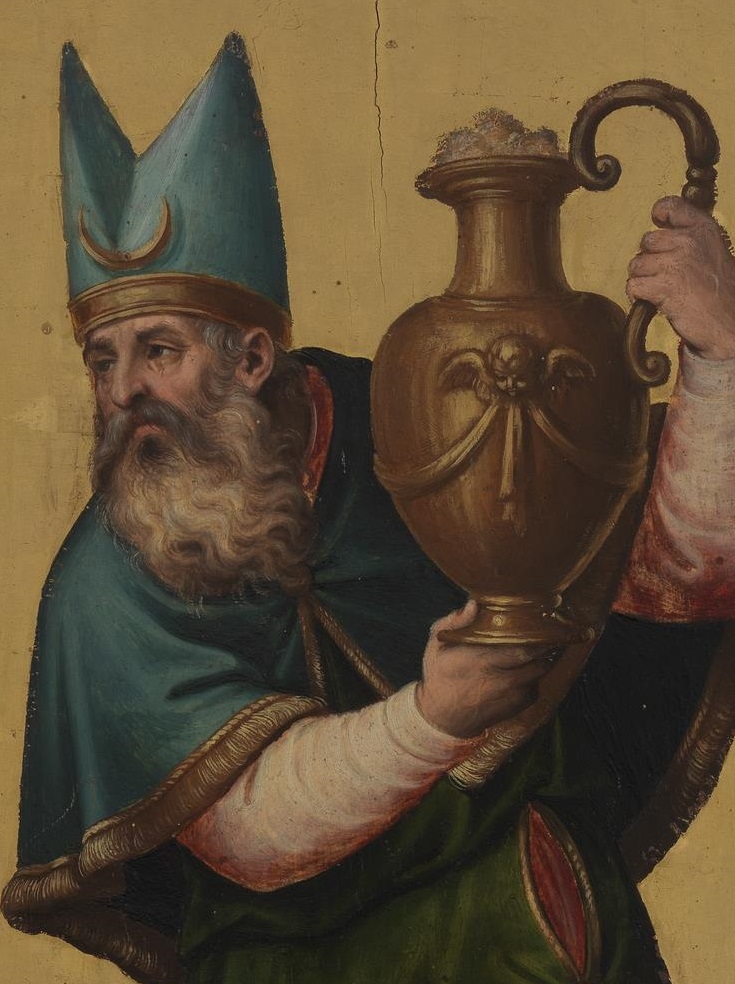


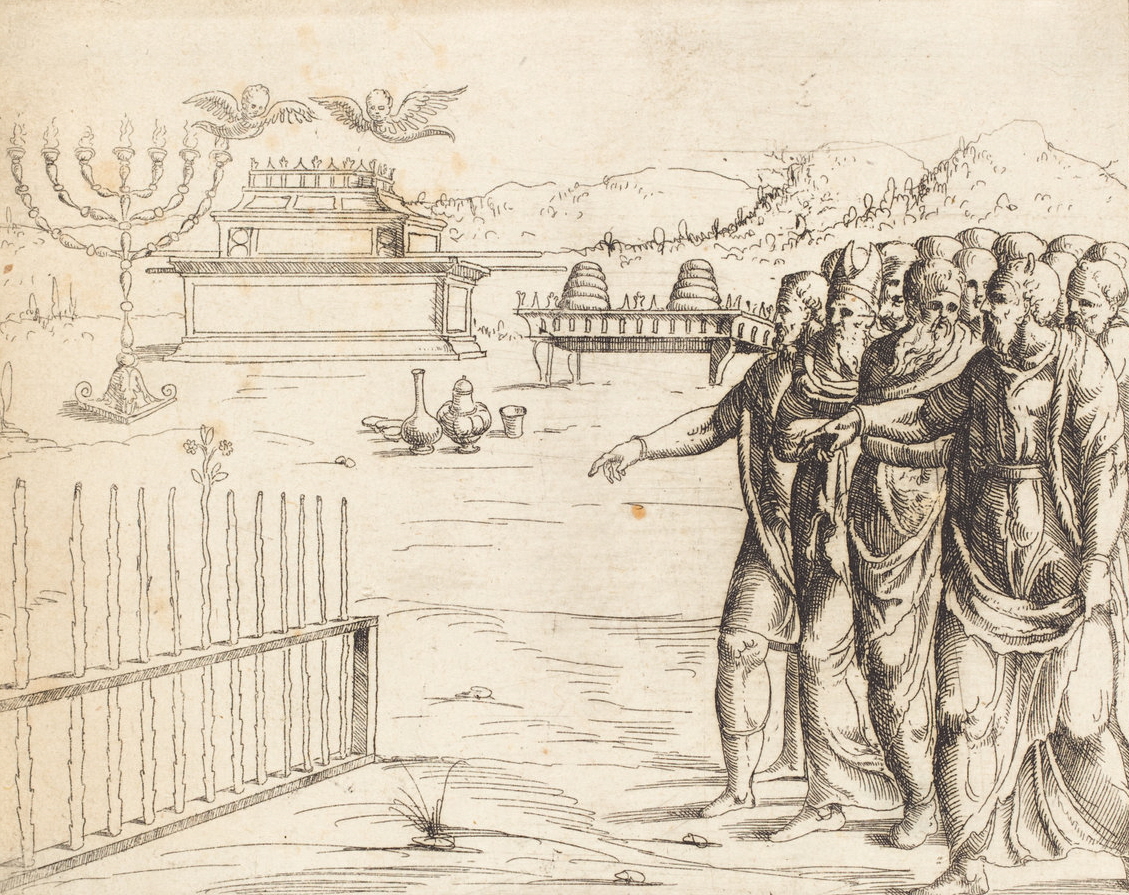


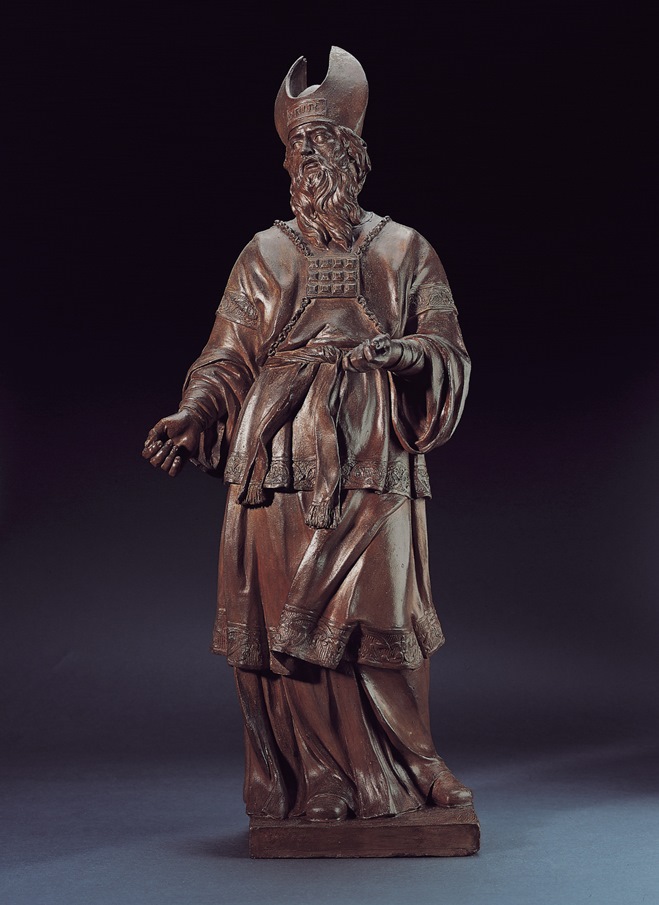
Role and functions
Aaron served as Moses' spokesman when confronting Pharaoh and explaining law to the people. He is traditionally regarded as the first high priest (kohen gadol) of the Israelite cult, responsible for sacred vestments, sacrifices, and certain ritual functions. The priestly line descending from him became known as the Aaronids or Aaronic priesthood.
Notable episodes
- Acting as Moses' mouthpiece during the confrontation with Egyptian authorities and during negotiations for the Exodus.
- Participation in the incident of the golden calf, where tradition describes him as having a complicated role in its construction and later repentance or sanction, depending on the source.
- The miraculous budding of Aaron's staff, used in narratives to confirm his priestly authority and divine selection.
- Confrontations with dissent within the community, including the rebellion led by Korah, and his death on Mount Hor, after which his son succeeded him.
Family and descent
Aaron is presented as a member of the Levite clan. His sons—commonly named Nadab, Abihu, Eleazar and Ithamar—are associated with the priesthood, though two of them die under circumstances described in sacred texts. The lineage from Aaron shaped the organization of temple service and religious leadership in later Jewish tradition.
Legacy and interpretation
Aaron's figure carries legal, liturgical and symbolic importance. In Jewish ritual history he is emblematic of the priestly office; in Christianity he is often discussed in relation to typology of priesthood; in Islam he is honored as a prophet and helper to Moses. Scholarship treats his stories as foundational narratives that shaped Israelite identity, priestly institutions, and later religious memory.
Further notes
Accounts of Aaron vary in emphasis across traditions and texts: some stress his leadership and sanctity, others focus on moral failings and the community's struggles. Readers interested in the biblical narratives can consult passages in Exodus and related books, while comparative readers may refer to discussions in the Hebrew Bible and the Qur'an. For the wider story of Moses and Aaron together see materials on Moses.
Related articles
Author
AlegsaOnline.com Aaron (brother of Moses and first Israelite high priest) Leandro Alegsa
URL: https://en.alegsaonline.com/art/263