
Deck (ship): structure, types, history and uses
An overview of ship decks: what they are, common types and parts, historical development, functions for cargo and crew, and maintenance considerations.
Overview
A ship's deck is the principal horizontal surface or platform that forms the floor of a vessel and contributes to its strength and watertight integrity. Decks provide working and living surfaces for crew and passengers, define levels on board, and form an essential part of a ship's structural system rather than being merely a floor as on land.
Image gallery
7 Images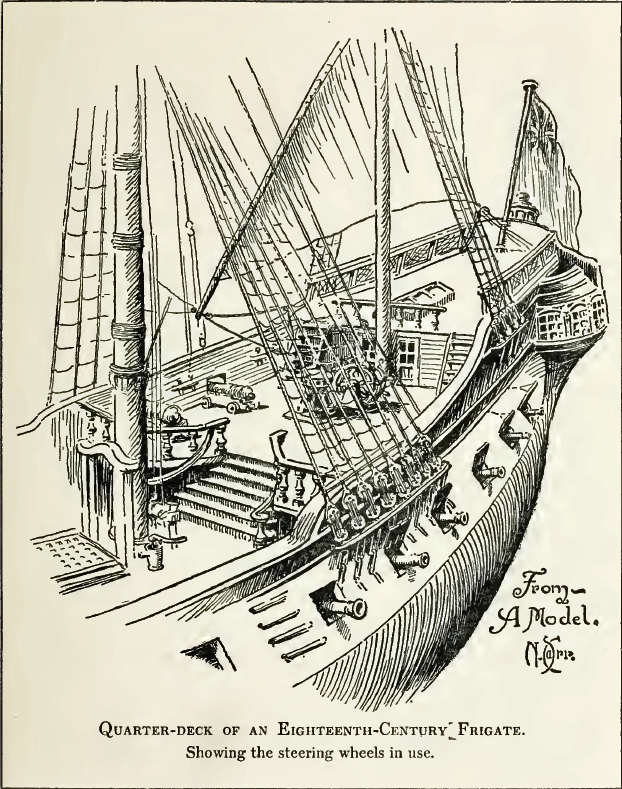


Parts and common types
Decks are composed of framing elements such as beams and stringers, a supporting deck plate or planking, and fittings including hatches, scuppers and railings. Common named decks include:
- Main deck — the principal continuous deck on most ships.
- Weather deck — the uppermost exposed deck that meets the elements.
- Poop and forecastle — raised decks at the stern and bow respectively.
- Tween deck — an intermediate deck inside cargo ships.
History and development
Wooden sailing ships originally had single open decks and used timber planking. As shipbuilding advanced, decks evolved into multiple continuous platforms made from iron and later steel, improving strength and allowing larger cargo holds and enclosed decks for passenger comfort.
Functions, uses and examples
Decks serve many roles: a working area for handling cargo and equipment, a promenade for passengers, mounting points for weapons or lifeboats on naval and merchant ships, and a barrier against water ingress. Military vessels feature specialized flight decks and armored decks; ferries and cruise ships emphasize passenger decks and promenades.
Construction, maintenance and safety
Modern decks are built from steel, aluminum, composites or treated wood, with coatings and non-skid surfaces applied. Regular maintenance prevents corrosion, checks for fatigue at welded joints, and ensures hatches and drains function correctly. Procedures and inspections often reference standards found in naval architecture guides such as construction references and regulatory documents on maintenance.
Terminology and distinctions
The term deck in naval use differs from a building floor because it contributes to hull girder strength and watertight subdivision. Crew movement and accommodations relate to deck layout, so ship operators plan spaces with ergonomic and safety considerations in mind; for access and operational rules see crew manuals and training materials such as crew guides and classification society guidance standards.
Related articles
Author
AlegsaOnline.com Deck (ship): structure, types, history and uses Leandro Alegsa
URL: https://en.alegsaonline.com/art/26171
Sources
- fas.org : "Boats for Beginners"
- fas.org : "Profiles and Weather Deck Presentations"
- query.nytimes.com : "New Terms for Steel Naval Vessels; Secretary Herbert Invents a New Nomenclature for These Ships"
- lakehistory.info : Hurricane Deck
- gutenberg.net : Project Gutenberg
- uscg.mil : "United States Coast Guard, Sector Upper Mississippi River, Small Passenger Vessel Information Package"
- neely-chaulk.com : "Well Deck (definition)"