
Decapitated (Polish technical death metal band)
Decapitated is a Polish technical death metal band formed in 1996 in Krosno. Known for technical precision and aggressive riffing, they released several influential albums and reformed after a 2007 tour bus accident.
Decapitated are a Polish technical death metal band formed in Krosno in 1996. From their emergence as a teenage trio to international touring and several studio albums, they have been noted for fast, precise musicianship and a focus on complex rhythms and guitar work. The group blended elements of death metal, hardcore intensity and technical proficiency to influence a generation of extreme metal bands. Early and ongoing coverage of the band can be found via various music pages and archives, for example band profiles and fan resources.
Image gallery
6 Images

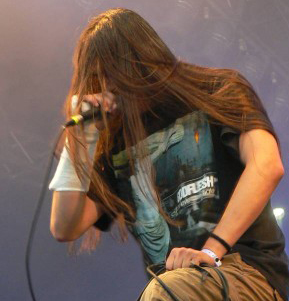


Musical style and characteristics
Decapitated's sound has been described as technical death metal: tight, rhythmically complex songwriting based around rapid alternate-picked riffs, syncopated grooves and precise drumming. The guitar work of Wacław "Vogg" Kiełtyka has often been highlighted for its melodic phrasing within an otherwise brutal context. Vocals have ranged from high-pitched growls to lower, guttural delivery across different singers, while production choices on successive records alternated between raw immediacy and a cleaner, more polished clarity that emphasized clarity of individual instruments. Listeners and critics have noted the band's emphasis on musicianship and tempo variation rather than on melody alone. Further reading and interviews are available at selected music sites and archives, for instance press and interview collections.
Formation and early recordings
The band was formed by guitarist Wacław "Vogg" Kiełtyka, his younger brother drummer Witold "Vitek" Kiełtyka, and vocalist Wojciech "Sauron" Wąsowicz while they were teenagers. Bassist Marcin "Martin" Rygiel joined soon after. Their first demos, including Cemeterial Gardens (1997) and The Eye of Horus (1998), helped establish their reputation among underground metal fans and led to a debut full-length, Winds of Creation (2000). That album showcased their blend of technical riffing and aggressive songwriting and attracted attention beyond Poland. They followed with Nihility (2002) and The Negation (2004), each record developing their sound and production under varied engineers and producers, which expanded their international touring opportunities.
Lineup changes, Organic Hallucinosis and the 2007 accident
Sauron departed in 2005 and was succeeded by Adrian "Covan" Kowanek; the band recorded Organic Hallucinosis with the new vocalist, released in 2006. Around this period Marcin "Martin" Rygiel left to focus on family life and relocated abroad. During a 2007 tour the band suffered a serious bus accident in Eastern Europe; the incident resulted in the death of drummer Vitek and left Covan critically injured. The crash and its consequences were widely reported at the time; contemporary reports and updates appear in archived news pieces and community statements, such as tour and incident reports and local coverage archived online here. The event prompted an extended hiatus and prompted an outpouring of support from the metal community.
Reformation, later work and touring
After a period of recovery and reflection, founder Vogg announced plans to continue the project. New members joined for the next phase: vocalist Rafał Piotrowski, bassist Filip "Heinrich" Hałucha and drummer Kerim "Krimh" Lechner became part of the lineup and the band returned with Carnival Is Forever (2011). Lineup shifts continued in subsequent years with further drummer and bass changes. Decapitated continued to record and tour, releasing additional albums that expanded their sound while retaining a technical core. For updates, tour information and official statements fans have used community pages and label notices such as official announcements.
Members, legacy and notable facts
- Founding members: Wacław "Vogg" Kiełtyka (guitar), Witold "Vitek" Kiełtyka (drums), Wojciech "Sauron" Wąsowicz (vocals).
- Key later members: Adrian "Covan" Kowanek (vocals), Rafał Piotrowski (vocals), Filip "Heinrich" Hałucha (bass), Kerim "Krimh" Lechner (drums).
- Notable albums: Winds of Creation (2000), Nihility (2002), The Negation (2004), Organic Hallucinosis (2006), Carnival Is Forever (2011) — later releases continued their career.
- Legacy: The band is regarded as an influential act within technical death metal for its combination of speed, precision and compositional complexity and for remaining active on the international metal circuit despite severe adversity.
Decapitated's trajectory illustrates both the technical possibilities within modern extreme metal and the resilience of bands facing tragedy and change. Readers seeking more in-depth timelines, interviews or discography listings can consult specialized music archives and fan-maintained resources referenced earlier.
Related articles
Author
AlegsaOnline.com Decapitated (Polish technical death metal band) Leandro Alegsa
URL: https://en.alegsaonline.com/art/26100
Sources
- decapitatedband.net : "Decapitated - Biography"
- blabbermouth.net : "Former Decapitated Bassist: 'My Thoughts Are With The Guys And Their Families'"
- blabbermouth.net : "Decapitated Drummer Dead At 23"
- blabbermouth.net : "Decapitated Singer Moved To Polish Hospital, Is In 'Stable' Condition"
- blabbermouth.net : "Decapitated's Vogg Seeking New Drummer, Singer"
- blabbermouth.net : "Decapitated: New Lineup Announced"
- blabbermouth.net : "Decapitated Drummer Quits"