
Alice (TV series)
American sitcom (1976–1985) about a widowed mother who restarts her life working in a Phoenix diner. Adapted from the film Alice Doesn't Live Here Anymore; notable for Linda Lavin, memorable supporting cast, and a Golden Globe.
Overview
Alice is an American situation comedy that aired on CBS from August 31, 1976, to March 19, 1985. The program adapts the premise of the 1974 film Alice Doesn't Live Here Anymore and follows a recently widowed mother who moves with her young son to begin again and takes a job at a roadside diner.
Image gallery
4 Images


Setting and main characters
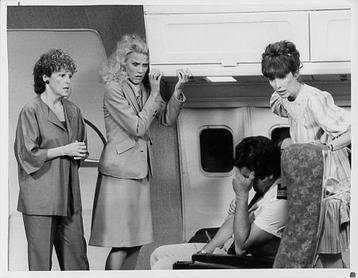
The action is set around Mel's Diner in Phoenix, Arizona. The lead role of Alice was played by Linda Lavin, who anchors the series as a determined, warm but occasionally weary single mother. Other central figures include the diner owner Mel, and a rotating group of waitresses and staff whose interpersonal dynamics fuel much of the show's humor.
Principal cast
- Vic Tayback as Mel, the diner owner
- Beth Howland as a shy, quirky server
- Philip McKeon as Alice's son
- Polly Holliday as Flo, a bold waitress whose line "Kiss my grits!" became a catchphrase
- Diane Ladd and Celia Weston among other recurring performers
- Marvin Kaplan in memorable supporting parts
Production and development
Developed from the film concept, the series broadened the movie's focus into episodic workplace comedy and character-driven stories. It mixed domestic themes—parenting, independence, and financial pressures—with light satire of small business life. The lead actor also sang the show's opening theme, reinforcing the character-centered feel of the program.
Reception, awards and legacy
Alice received strong ratings during much of its run and earned critical recognition; the show won the Golden Globe for Best Television Series – Musical or Comedy in 1979. Its cast members became well known, the series spawned at least one spin-off focused on a popular supporting character, and several lines and moments entered popular culture. Over time the show has been discussed for its portrayal of working-class life and women balancing work and family on network television.
Notable distinctions
Beyond awards, Alice is remembered for transforming a dramatic film premise into a long-running sitcom format, for its ensemble cast chemistry, and for contributing catchphrases and character archetypes that influenced subsequent TV comedies. The series also enjoyed syndication and continues to be cited in histories of 1970s and 1980s American television.
Tags
Related articles
Author
AlegsaOnline.com Alice (TV series) Leandro Alegsa
URL: https://en.alegsaonline.com/art/2606