
Dalat — Vietnamese highland city of cool climate, flowers and French-era architecture
Dalat (Đà Lạt) is a highland city in southern Vietnam known for its cool climate, pine forests, French colonial architecture, flower production and tourism. Population about 120,000 (city proper).
Overview
Dalat (Vietnamese: Đà Lạt) is a city in the Central Highlands region of southern Vietnam. Situated at higher elevation than the coastal lowlands, it has a markedly cooler climate than most of the country. The city grew into a popular hill station and retreat in the early 20th century and today combines agricultural production, tourism and local services. The urban population is roughly 120,000 people in the city proper, with a larger population in the surrounding district.
Image gallery
10 Images


History and development
Dalat was planned and developed during the French colonial period as a resort and sanatorium for officials and settlers seeking relief from tropical heat. Colonial urban planning and investment in villas, public buildings and roads established a European character that persists in street patterns and many older structures. Over the 20th century the town evolved from a seasonal retreat into an all-year regional center, while post-colonial periods added local architecture and modern amenities.
Geography and climate
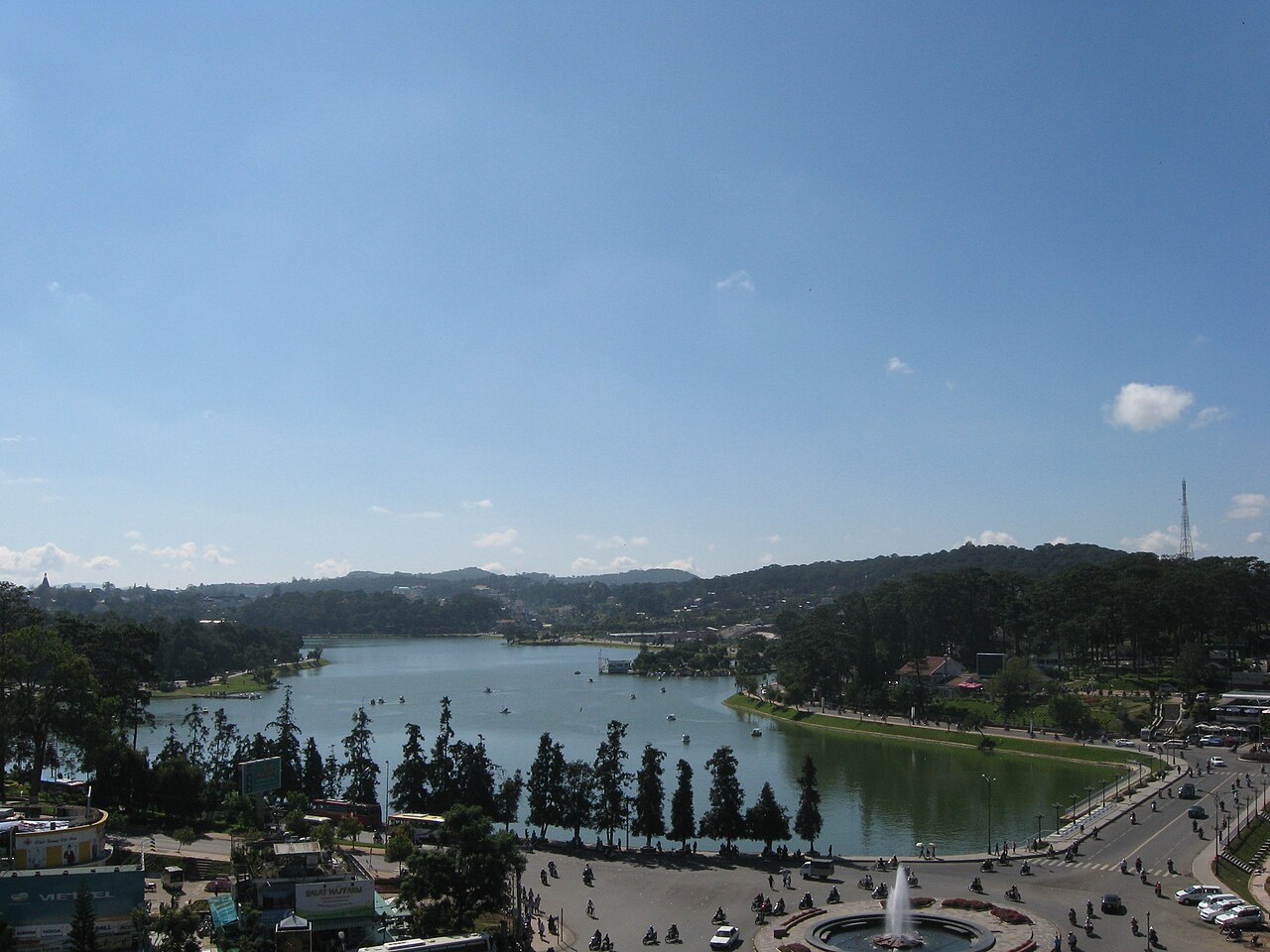
The city lies on a plateau surrounded by hills and pine forest. Its altitude produces mild temperatures, cool nights and distinct wet and dry seasons; these conditions are unlike Vietnam’s tropical lowlands and support temperate crops and ornamental horticulture. Lakes, waterfalls and forested ridges form a scenic landscape that attracts visitors and provides outdoor recreation.
Economy, agriculture and horticulture
Dalat is a major center for flowers, vegetables and certain temperate fruits grown for domestic markets and export. Greenhouses and smallholder farms produce roses, chrysanthemums, strawberries, lettuce and other crops that do poorly in hotter regions. Tourism and hospitality services—hotels, restaurants, craft shops and markets—also contribute substantially to the local economy.
Culture, architecture and attractions
The legacy of its colonial origin is visible in many villas, a few public buildings and tree-lined avenues, which has earned Dalat nicknames such as "Little Paris". Cultural life blends this heritage with local ethnic traditions and contemporary Vietnamese urban culture. Visitors are drawn to features such as:
- Xuan Huong Lake and central promenades
- Flower gardens and markets
- Nearby peaks and plateaus for hiking (e.g., Lang Biang area)
- Colonial-era villas and simple French-style cafes
Notable facts
Because of its temperate climate, Dalat has long been promoted as a healthful retreat and a center for horticultural research and education. Its combination of pine-covered hills, cool air and distinctive architecture makes it one of Vietnam’s best-known highland destinations for domestic tourism and for visitors seeking a contrast with the tropical lowlands.
Related articles
Author
AlegsaOnline.com Dalat — Vietnamese highland city of cool climate, flowers and French-era architecture Leandro Alegsa
URL: https://en.alegsaonline.com/art/25176