
Daisen, Akita
Daisen is a city in Akita Prefecture on Honshu, Japan. It is a regional agricultural center with research institutions such as NARCT and hosts notable cultural events including the Ōmagari fireworks competition.
Daisen is a city in Akita Prefecture on the island of Honshu, in Japan's northern Tōhoku region. The municipality occupies mainly rural and small-town territory and functions as a local hub for farming, community services and applied agricultural research.
Image gallery
8 Images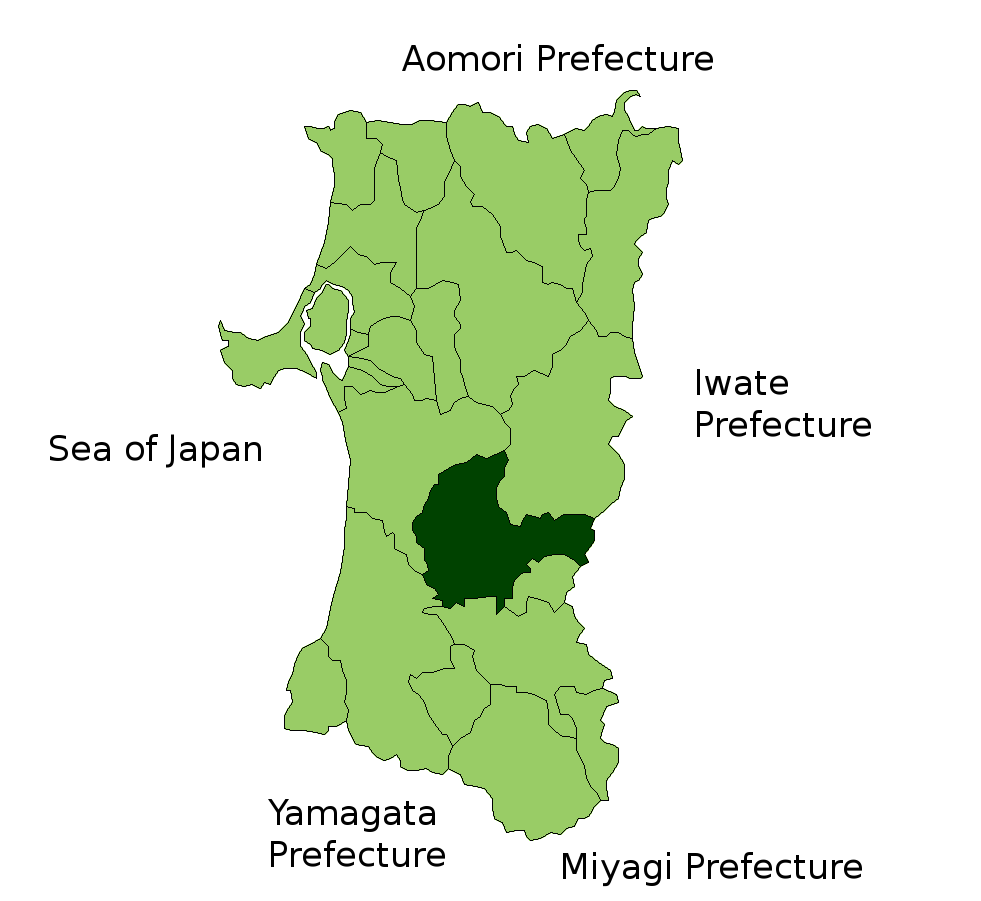


Geography and administration
Daisen's landscape combines rice paddies, low hills and small river valleys typical of inland Akita. The city is made up of former towns and villages that were joined into a single municipal government during Japan's early‑21st century municipal consolidations. Local administration emphasizes support for agriculture, disaster preparedness and maintaining transport links between smaller settlements.
History and development
The modern city was created through the merger of several neighboring municipalities, part of a nationwide effort to streamline local government. This consolidation preserved many traditional rural communities while creating a larger administrative unit better able to manage infrastructure, schools and medical services for a dispersed population.
Economy and research
Agriculture is the dominant sector, with rice cultivation and related industries forming the economic backbone. Daisen hosts regional research facilities, including the National Agricultural Research Center for the Tohoku Region (NARCT), which conducts crop research and extension activities to support local farmers and improve regional productivity.
Culture and attractions
The city combines everyday rural life with periodic cultural events that draw wider attention. The Ōmagari area of Daisen is especially well known for an annual fireworks competition that attracts teams and spectators from across Japan. Local festivals, seasonal food markets and traditional crafts continue to be important to community identity.
Notable facts and practical information
Daisen should not be confused with Mount Daisen in western Japan; the names refer to different places. The city is served by regional rail and road connections that link it to larger urban centers in Akita Prefecture and the wider Tōhoku region. Key features include:
- Prominent role in regional agriculture and food production
- Presence of agricultural research institutions such as NARCT
- Cultural highlights including the Ōmagari fireworks competition
Related articles
Author
AlegsaOnline.com Daisen, Akita Leandro Alegsa
URL: https://en.alegsaonline.com/art/25130
Sources
- books.google.com : Advances in Genetics, Genomics and Control of Rice Blast Disease, p. 306