
Dagda, Latvia
Dagda is a town in southeastern Latvia, in the Latgale region. It received town rights in 1992 and serves as a local center for its surrounding area.
Dagda is a town in southeastern Latvia, in the historical region of Latgale. It is a small local center rather than a large urban area, and it gained town rights in 1992. Like many places in eastern Latvia, Dagda combines a rural setting with the services and institutions needed by nearby villages and farms. For more background on its place in the region, see Dagda.
Image gallery
1 Image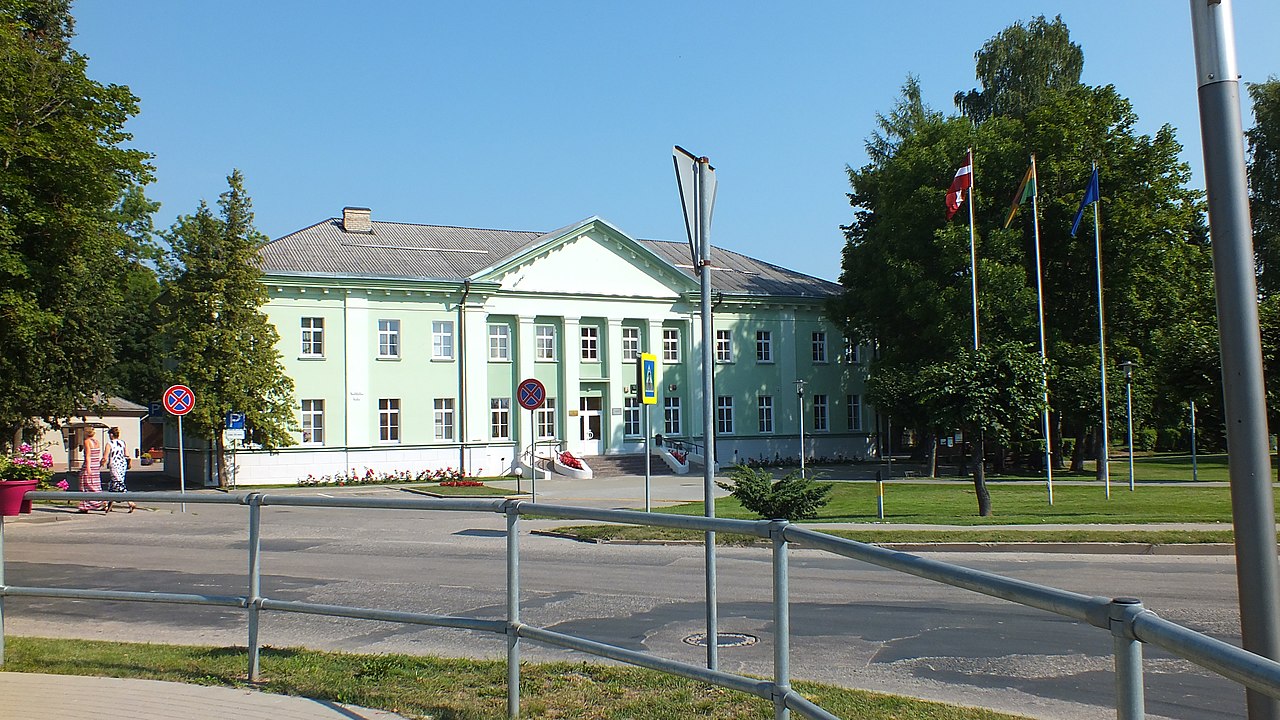
Overview
Dagda is known for its role as a community hub. It has the everyday functions expected of a district town: shops, schools, administrative services, and connections to the surrounding countryside. The town is part of Latgale, a region often associated with distinctive local traditions, a mixed cultural history, and a landscape shaped by lakes, forests, and small settlements.
The town’s setting is typical of southeastern Latvia, where settlement patterns are relatively dispersed and local centers matter for commerce, education, and public life. Dagda is not an industrial capital or a major transport junction; its importance lies mainly in serving the area around it and supporting regional life.
History and development
Dagda developed over time from a smaller settlement into a recognized town. Its modern status reflects the administrative changes that followed Latvia’s restoration of independence. The grant of town rights in 1992 marked an important formal step, but the settlement itself had older roots connected to the historical development of Latgale and the local manor-and-parish system common in the region.
As in many Latvian towns, the built environment and local identity were shaped gradually by religious, commercial, and administrative influences. Dagda’s history is therefore best understood as part of a broader regional pattern: a settlement that became more important as local governance, education, and services became concentrated there.
Local character
- Regional role: Dagda functions as a service center for nearby rural communities.
- Latgale identity: It belongs to a region with a strong local heritage and distinct cultural traditions.
- Small-town scale: Its character is shaped more by community life than by large-scale industry.
- Modern status: Town rights were officially granted in 1992.
Dagda is significant less for size than for continuity. It represents the kind of Latvian town that anchors a surrounding district, preserving local identity while providing practical services. In this way, it remains an important part of the geography and everyday life of Latgale.
Related articles
Author
AlegsaOnline.com Dagda, Latvia Leandro Alegsa
URL: https://en.alegsaonline.com/art/25068