
Cussy (commune in Calvados, Normandy)
Cussy is a small rural commune in the Calvados department of Normandy, northwestern France, known for its agricultural landscape, local heritage and typical Norman village character.
Overview
Cussy is a small administrative commune situated in the northwestern part of France. It lies within the historic region commonly referred to as Basse-Normandie and is administered as part of the Calvados department. Like many communes in the area, Cussy combines residential clusters, farmland and local services that support a largely rural population.
Image gallery
1 Image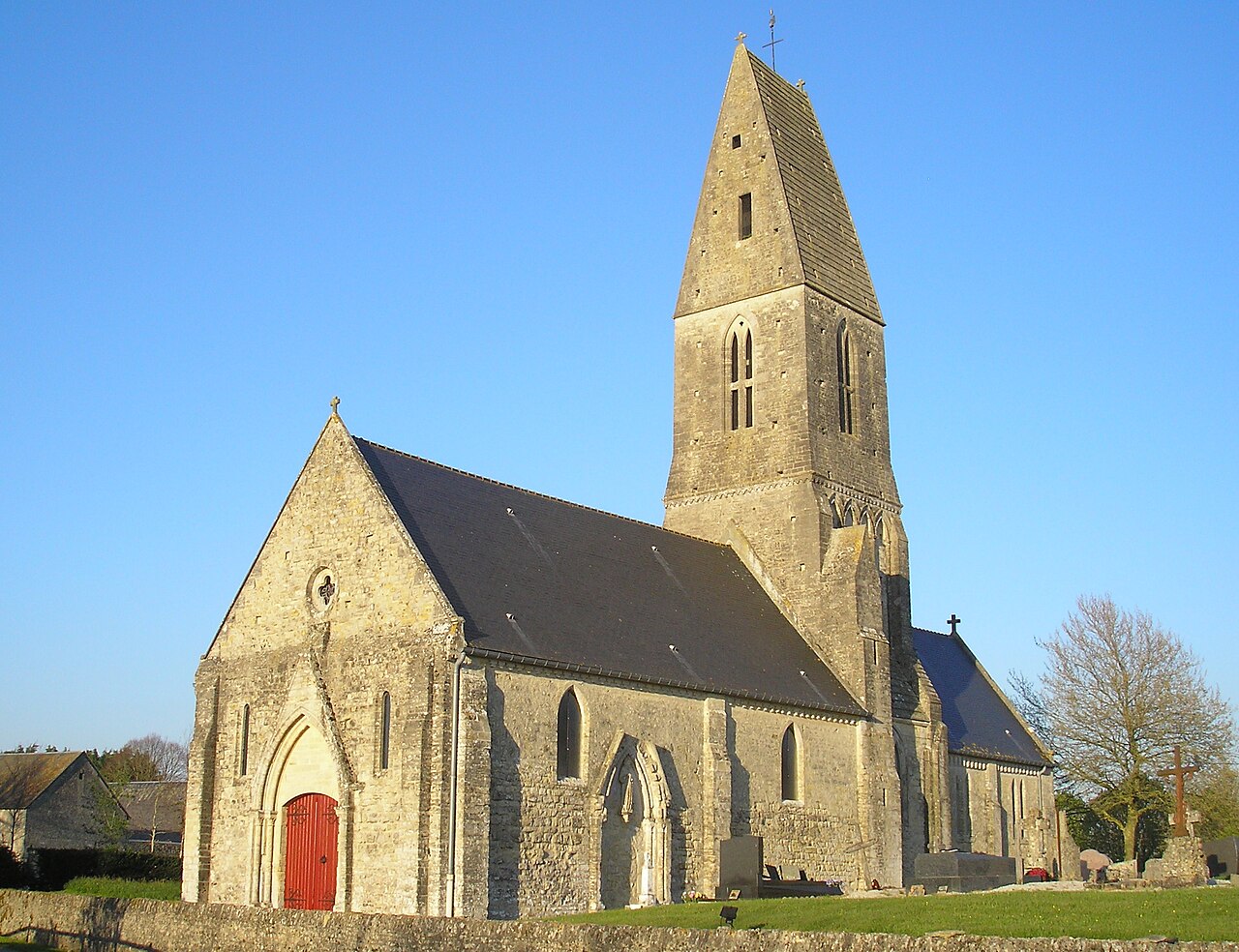
Geography and administration
The commune occupies a modest area characterized by gentle hills, pastureland and hedgerow-lined fields typical of Normandy's bocage countryside. Its local government is headed by a municipal council and mayor, following France's system of communal administration. Residents often rely on nearby towns for higher-level services, commerce and transport links to the broader region of France.
History and heritage
Cussy shares the long historical background of Norman settlements: medieval parish structures, agricultural development and the shaping influence of regional architecture. The village may contain a traditional parish church, farmhouses with timber or stone features and traces of rural land division that reflect centuries of local life. Elements of local heritage are preserved in vernacular buildings and communal memory rather than in large urban monuments.
Economy and local life
The economy of Cussy is typically agrarian, with farms producing dairy, cereals and other crops suited to Normandy's climate. Small-scale local enterprises, artisans and services supply daily needs. Community life centers on local events, the church, and communal facilities; many inhabitants commute to nearby towns for work while maintaining ties to the village.
Sights and points of interest
- Historic parish church or chapel reflecting local construction styles.
- Traditional Norman farm buildings and hedgerow landscape.
- Walking routes and country lanes offering views of the bocage countryside.
Distinctions and context
While Cussy is one of many small communes in Normandy, its value lies in representing the rural character and continuity of local life in northwestern France. It illustrates how communal administration, landscape and vernacular architecture combine to form the distinctive identity of the Calvados countryside.
Related articles
Author
AlegsaOnline.com Cussy (commune in Calvados, Normandy) Leandro Alegsa
URL: https://en.alegsaonline.com/art/24776