
Cursan — commune in Gironde, southwestern France
Cursan is a small commune in the Gironde department of southwestern France, historically in Aquitaine and now part of Nouvelle-Aquitaine. Rural character, local governance, heritage and practical information.
Overview
Cursan is a French commune located in the Gironde administrative area. It sits within the larger region historically known as Aquitaine, now administered as Nouvelle-Aquitaine. The commune lies in southwest France and exemplifies the small, locally governed communities that make up much of the French rural landscape.
Image gallery
1 Image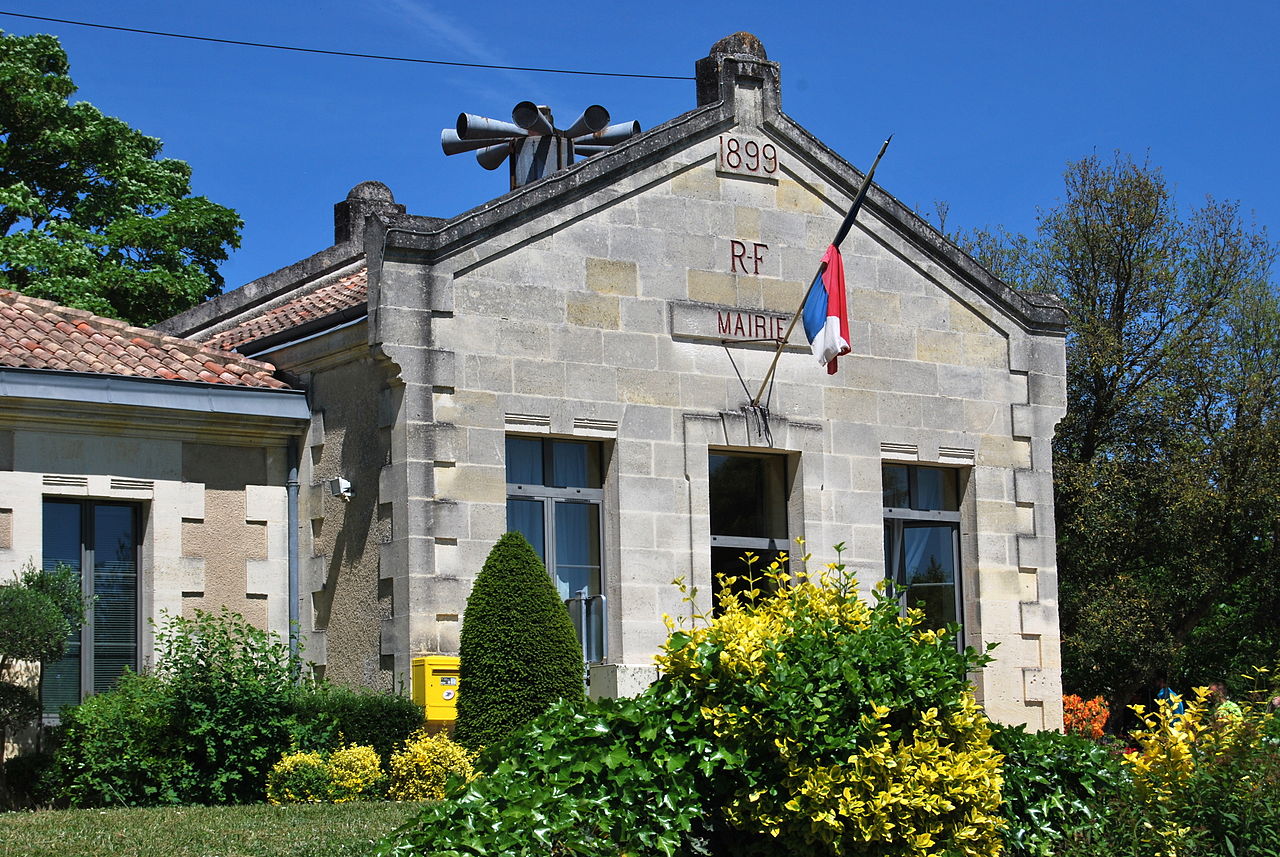
Geography and administration
Cursan occupies a modest territory typical of rural southwestern communes. Administratively it belongs to the Gironde department and is managed by a mayor and a municipal council, who oversee local services, planning and community life. The surrounding area combines agricultural land, small woodlands and scattered hamlets.
History and heritage
Like many villages in this part of France, Cursan has roots that stretch back through the medieval and early modern periods, with local architecture reflecting traditional regional styles. The parish church, farmhouses and communal buildings form the historic core; these features often provide a tangible link to the locality's past and cultural identity.
Economy and daily life
The local economy is predominantly rural in character. Agriculture and small-scale farming are common, and the commune benefits indirectly from the wider economic activities of Gironde, including viticulture in nearby areas. Community life centers on local events, municipal facilities and nearby markets; residents typically rely on larger towns for specialized services and employment.
Practical information and points of interest
- Typical services: town hall, local school or community center, basic shops and places of worship.
- Transport: local roads connect Cursan with neighboring communes and regional transport networks; public transit is limited and often centered on larger towns.
- Leisure and landscape: walking, local festivals and appreciation of rural scenery are common attractions.
For more administrative or tourism details consult regional resources or the commune's official notices via the local government and tourism portals: commune information, regional services, historical context, departmental details, department services and general regional guides.
Related articles
Author
AlegsaOnline.com Cursan — commune in Gironde, southwestern France Leandro Alegsa
URL: https://en.alegsaonline.com/art/24732