
Culture of Iran
Overview of Iran's rich cultural heritage: languages, literature, arts, religion, festivals, cuisine, music, cinema and modern expressions rooted in Persian civilization.
Overview
The culture of Iran is a long, layered civilization shaped by ancient empires, religious change, regional diversity and ongoing social exchange. Persian language and literature form a central cultural axis, but the nation's identity also includes Azeri, Kurdish, Luri, Baloch, Arab and other traditions. Iranian culture has influenced and absorbed elements from neighbouring regions while retaining distinctive customs and artistic forms.
Image gallery
10 Images




Languages and ethnic groups
Persian (Farsi) is the national language and principal vehicle for literature and state institutions, but many Iranians speak other languages and dialects. Ethnic and linguistic plurality is reflected in music, oral literature and local customs across provinces, contributing to a mosaic of regional identities within the modern state.
Literature and poetry
Poetry occupies a privileged place in cultural life. Classical poets such as Ferdowsi, Hafez, Rumi and Saadi remain widely read, quoted and taught. Literary forms developed over centuries — epic verse, mystical poetry and a rich tradition of prose — continue to influence contemporary writers and public discourse.
Visual arts and architecture
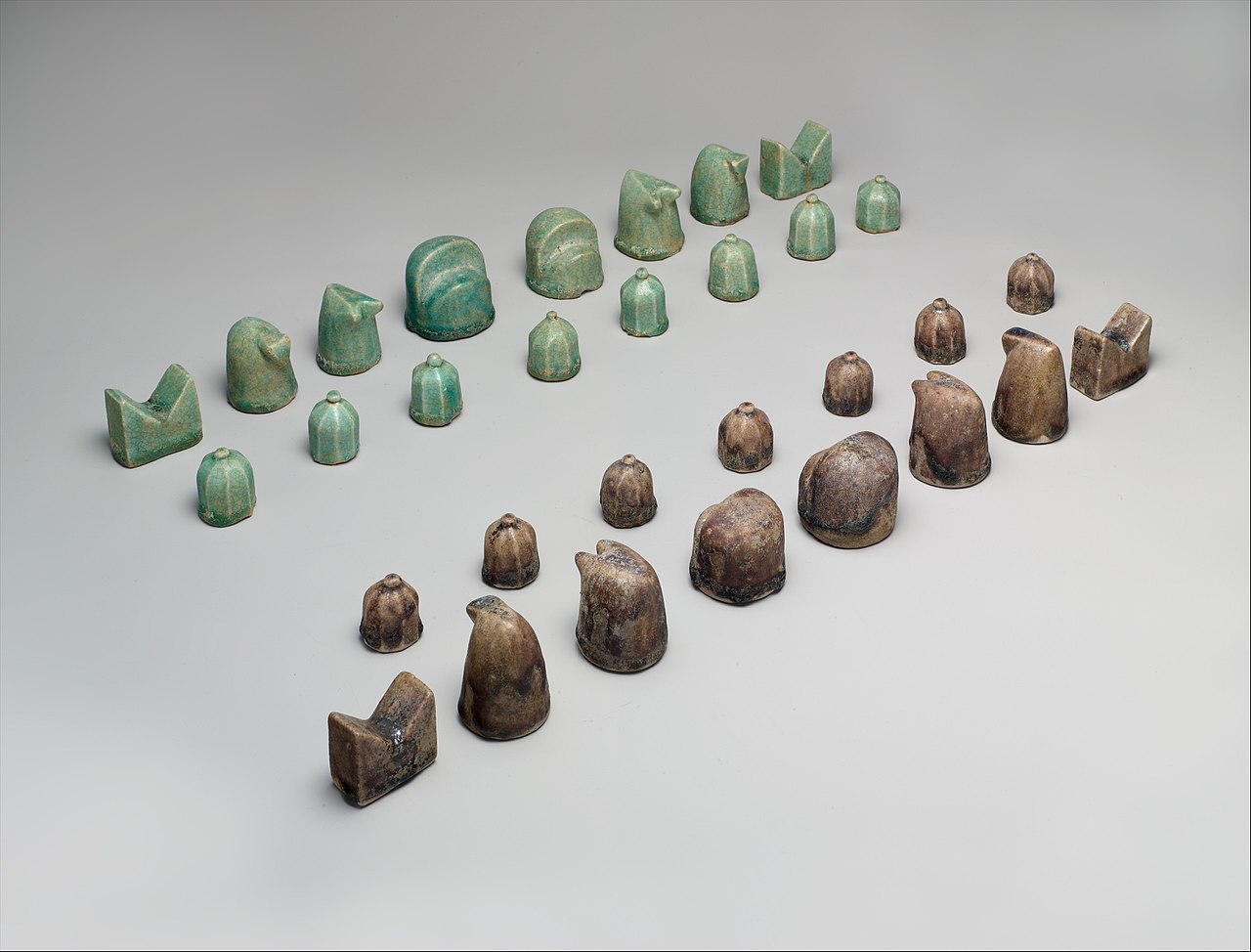
Iranian visual culture ranges from ancient reliefs and monumental ruins to the intricate tilework, calligraphy and miniature painting of medieval and early modern periods. Persian gardens, mosque architecture and urban design have distinctive principles that emphasize geometry, water and ornament. Craft traditions such as carpet weaving, metalwork and ceramics are both everyday arts and internationally recognised exports.
Music and performance
Traditional Persian music, often organized around modal systems, coexists with diverse regional folk styles and contemporary popular genres. Instruments such as the tar, setar, santur and tombak are central to classical repertoires. Music and theater have adapted over time to changing social norms and media while remaining important means of cultural expression.
Religious and festival life
Religious traditions in Iran are dominated by Twelver Shiʿa Islam today, layered upon earlier beliefs such as Zoroastrianism and local practices that survive in rituals and calendars. Public and family celebrations — notably Nowruz, the spring New Year, as well as seasonal observances like Yalda and Chaharshanbe Suri — structure communal life and express continuity with the past.
Cuisine, customs and daily life
Iranian cuisine emphasizes rice, stews, herbs, grilled meats and sweets, with regional variations and a strong tradition of tea drinking. Social customs such as hospitality and taarof (a ritual politeness and social etiquette) shape interactions, while family and community ties remain central in many spheres of life.
Modern culture and global influence
In the modern era, Iranian cinema, visual arts and literature have received international attention. Cities and youth cultures negotiate tradition and modernity, and the Iranian diaspora plays a role in transmitting cultural practices abroad. Artists and cultural workers engage with social and political constraints in diverse ways, producing a lively contemporary scene.
Distinctive features
Continuity of the Persian literary tradition, the prominence of skilled craftsmanship, regional cultural plurality and a complex interplay between tradition and innovation are recurring characteristics of Iranian culture. While change and debate continue, these elements contribute to a widely recognised cultural identity with deep historical roots.
Related articles
Author
AlegsaOnline.com Culture of Iran Leandro Alegsa
URL: https://en.alegsaonline.com/art/24626