
Crystal Lake, Illinois
Crystal Lake is a suburban city in McHenry County, Illinois, anchored by a natural lake. This article summarizes its setting, history, transport links, recreational amenities, and notable features.
Overview
Crystal Lake is a suburban city in Illinois, located within the broader Chicago metropolitan area of the United States. It functions as a regional center for surrounding communities, combining residential neighborhoods, a compact downtown, and green spaces clustered around a clear natural lake that gives the city its name.
Image gallery
10 Images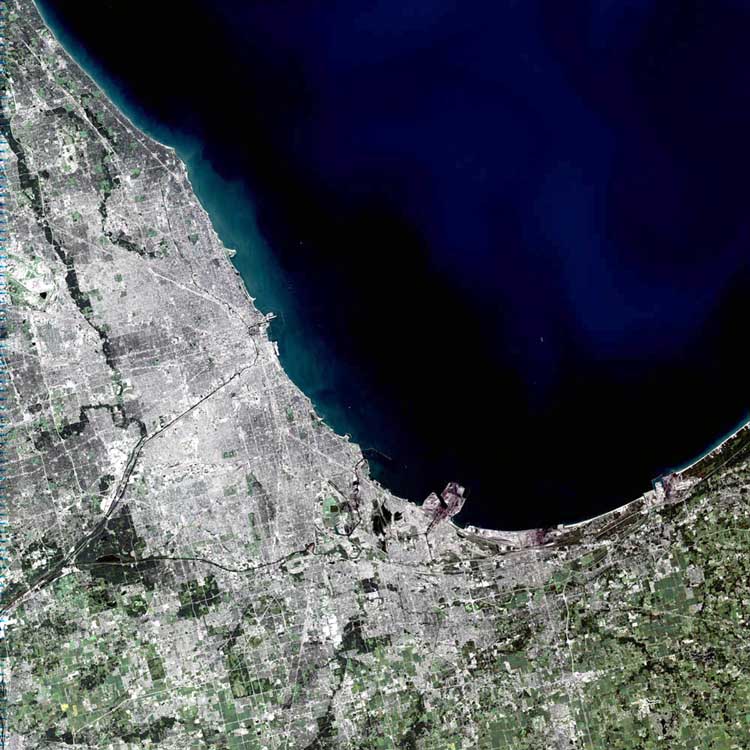





Geography and natural features
The city's identity revolves around a freshwater lake of the same name and several smaller ponds and wetlands. Shoreline parks, walking trails and boat launches provide public access. The surrounding landscape mixes older suburban development with preserved woodlands and conservation areas that support local wildlife and offer year-round outdoor recreation.
History and development
Originally a small 19th-century settlement, the community expanded as transportation links improved and suburban growth spread outward from Chicago. Over time a downtown business district and residential neighborhoods emerged, with periodic efforts to preserve historic structures and the character of older neighborhoods while accommodating new housing and services.
Transport and economy
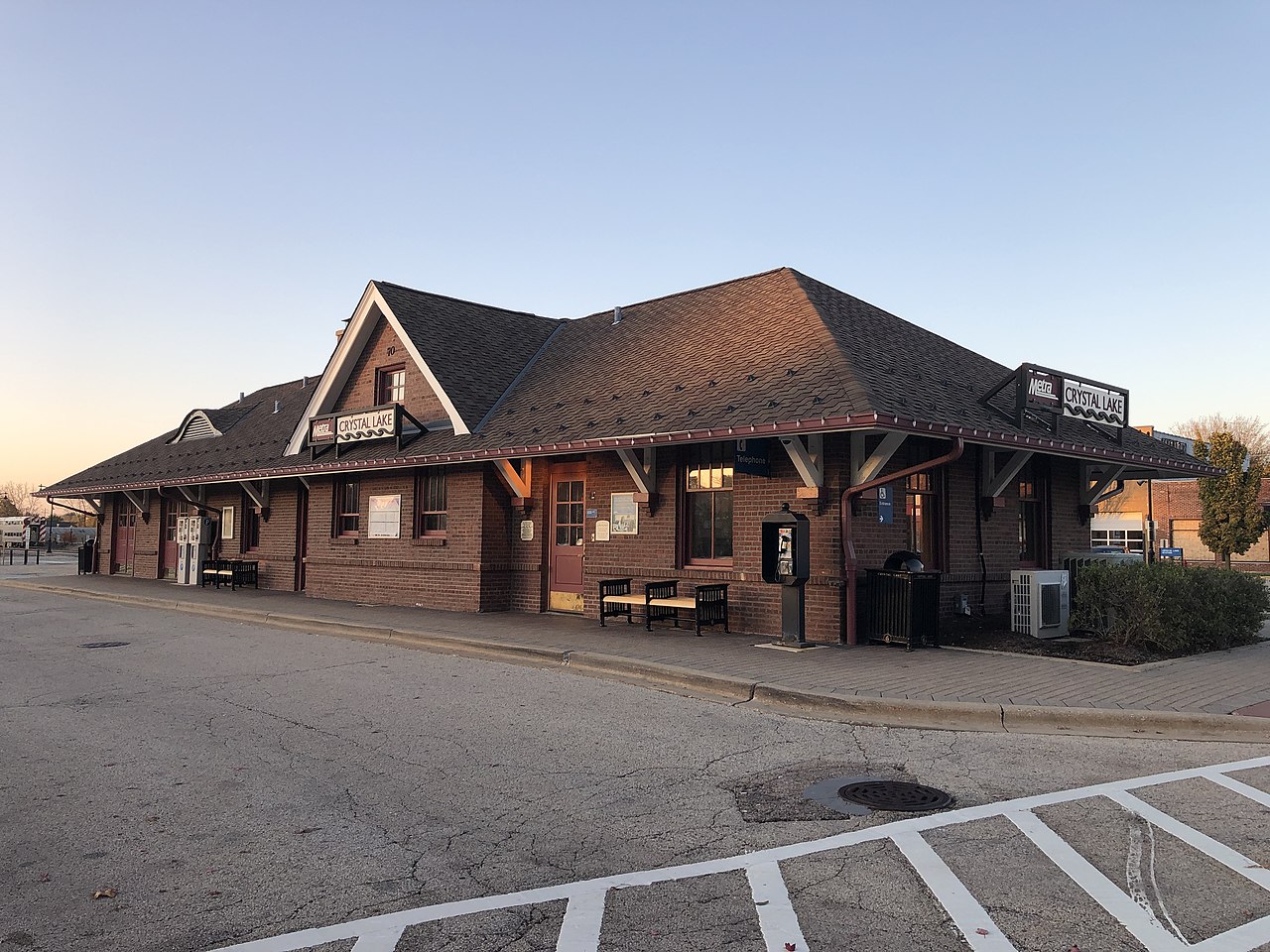
Many residents commute to jobs elsewhere in the region, assisted by commuter rail and highway connections. Local commerce includes retail, professional services, light industry and hospitality geared to residents and visitors. Economic activity tends to reflect the patterns of a mid-sized suburban city rather than a major urban center.
Culture, recreation and services
Parks, community centers, public libraries and school programs provide civic infrastructure. Recreational opportunities center on boating, fishing, walking and seasonal festivals that take advantage of the lakefront and downtown venues. Cultural offerings include local concerts, markets and community events that draw families and visitors from nearby towns.
Notable facts and distinctions
Named for the clarity of its principal lake, the city is known for balancing suburban growth with efforts at environmental stewardship and open-space protection. Its role as a residential hub with accessible outdoor recreation makes it typical of smaller communities within large metropolitan regions while retaining local landmarks, neighborhood identities and civic traditions.
- Key amenities: lakefront parks, trails, community events.
- Transport highlights: commuter rail, regional road links.
- Community focus: preservation, recreation, local commerce.
Related articles
Author
AlegsaOnline.com Crystal Lake, Illinois Leandro Alegsa
URL: https://en.alegsaonline.com/art/24470