
Alexis Weissenberg — Bulgarian-born French classical pianist (1929–2012)
Alexis Weissenberg (1929–2012) was a Bulgarian-born French concert pianist, noted for technical brilliance and a clear, often cool style. He survived wartime persecution and had an influential international career.
Overview
Alexis Weissenberg (26 July 1929 – 8 January 2012) was a pianist of Bulgarian origin who became identified with the French musical world. Celebrated for an exceptional technique and crystalline articulation, he developed a reputation for performances that combined precise control with a restrained emotional palette. He toured internationally, made many recordings, and later devoted time to teaching and masterclasses.
Image gallery
1 Image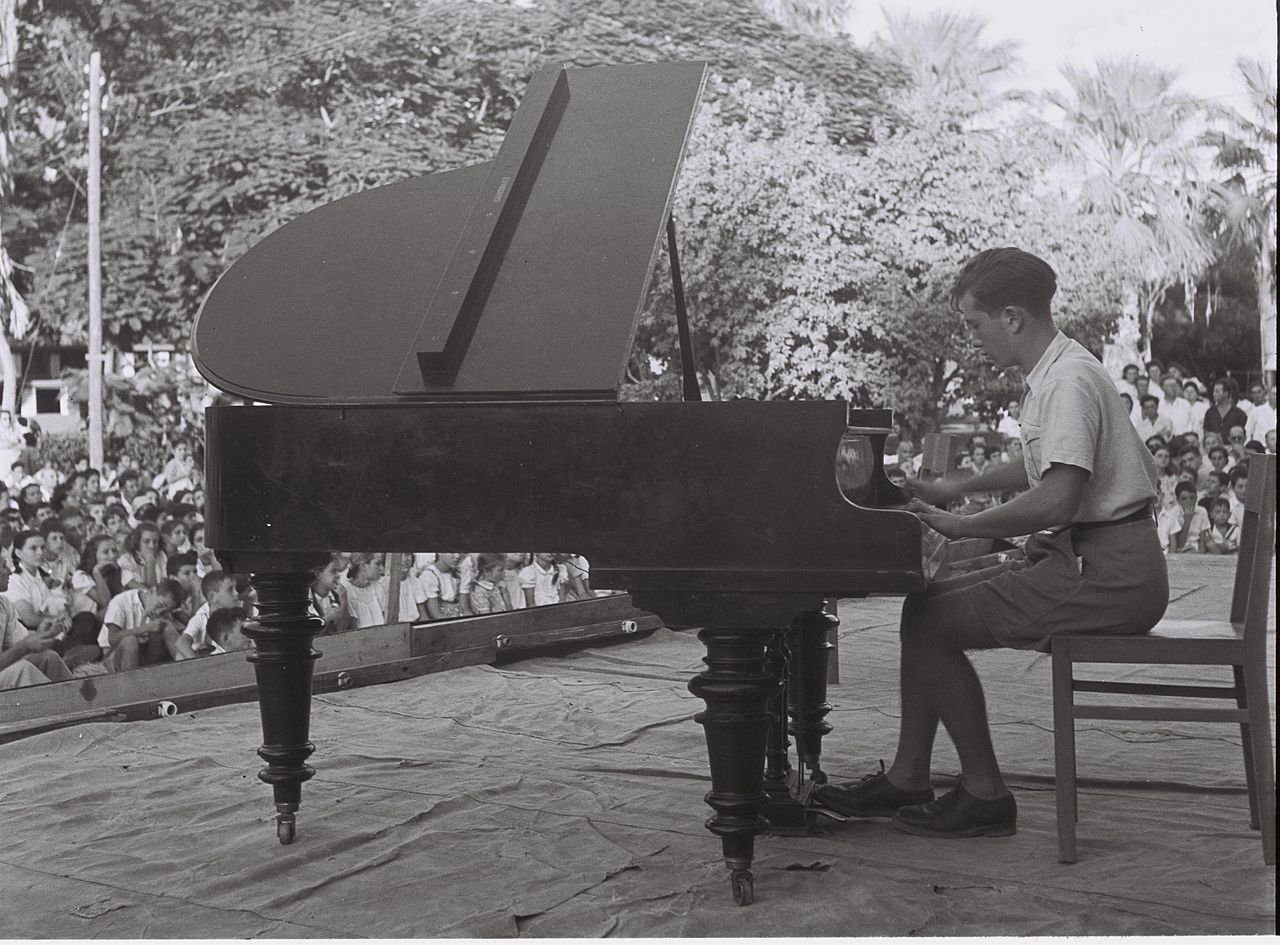
Early life and wartime experience
Weissenberg was born in Sofia and came from a Jewish family. His early life was marked by the upheavals of World War II: as a young teenager he and his family were detained in a concentration camp, an episode that profoundly affected his life. According to accounts, a guard who appreciated his piano playing assisted their escape, enabling the family to reach safety first in Turkey and then in Jerusalem. These events shaped both his personal history and the trajectory of his musical training.
Education and early career
After the war Weissenberg moved to New York in the mid-1940s to continue his studies at a major conservatory. He began an active performing life, appearing in recital and with orchestras in the United States and abroad. For many listeners and reviewers his early concerts revealed a pianist with formidable technical resources and an intellectual approach to the score. Over time he expanded his repertoire to include music from the late Romantic period through contemporary works.
Mid-career revival and later life
Following a period away from the concert stage, Weissenberg returned to public performance in the mid-1960s in a high-profile collaboration with conductor Herbert von Karajan in Berlin. That appearance re-established him on the major European platforms and led to further recordings and tours. Later in life he chose to live in Spain and reduced his public appearances, although he continued to give occasional concerts and to teach younger pianists through masterclasses.
Characteristics of his playing and repertoire
Critics and audiences have often noted the following traits in Weissenberg's performances:
- Technical clarity: a refined, controlled technique that served complex passagework.
- Articulation and transparency: a tendency to present textures in a sharply defined way.
- Measured expressivity: emotional reserves that some described as cool, others as disciplined elegance.
- Repertoire focus: works from the Romantic and twentieth-century traditions, including large-scale concertos and solo pieces.
Legacy and notable facts
Weissenberg left behind a legacy of recordings and a generation of pianists who recall his exacting standards in practice and interpretation. His life narrative — from Sofia to wartime escape, to study and performance in major cultural centers — is often cited as an example of artistic resilience. For further biographical summaries and resources see biographical overview, material on his Jewish heritage, the cultural background of Bulgaria, and information about his birthplace, Sofia. Contemporary accounts discuss his wartime experience at a detention site and his important 1966 collaboration with conductor Herbert von Karajan in Berlin. Later in life he established residence in Spain.
While assessments of his temperament as a performer vary, Alexis Weissenberg is widely recognized as a musician of high technical accomplishment whose interpretations continue to provoke interest and study among pianists and music lovers.
Related articles
Author
AlegsaOnline.com Alexis Weissenberg — Bulgarian-born French classical pianist (1929–2012) Leandro Alegsa
URL: https://en.alegsaonline.com/art/2445
Sources
- telegraph.co.uk : "Alexis Weissenberg"
- worldcat.org : 0307-1235
- worldcat.org : 49632006