
Crosby County, Texas
Rural county on the Llano Estacado in the Texas High Plains. County seat Crosbyton; economy based on agriculture and energy, low population density and wide prairie landscapes.
Overview
Crosby County is a rural county in the U.S. state of Texas, located on the Llano Estacado portion of the High Plains. The county seat and largest town is Crosbyton. According to the 2010 U.S. census the county recorded 6,059 residents; settlement and land use remain sparse compared with more populous regions of the state.
Image gallery
4 Images


Geography and environment
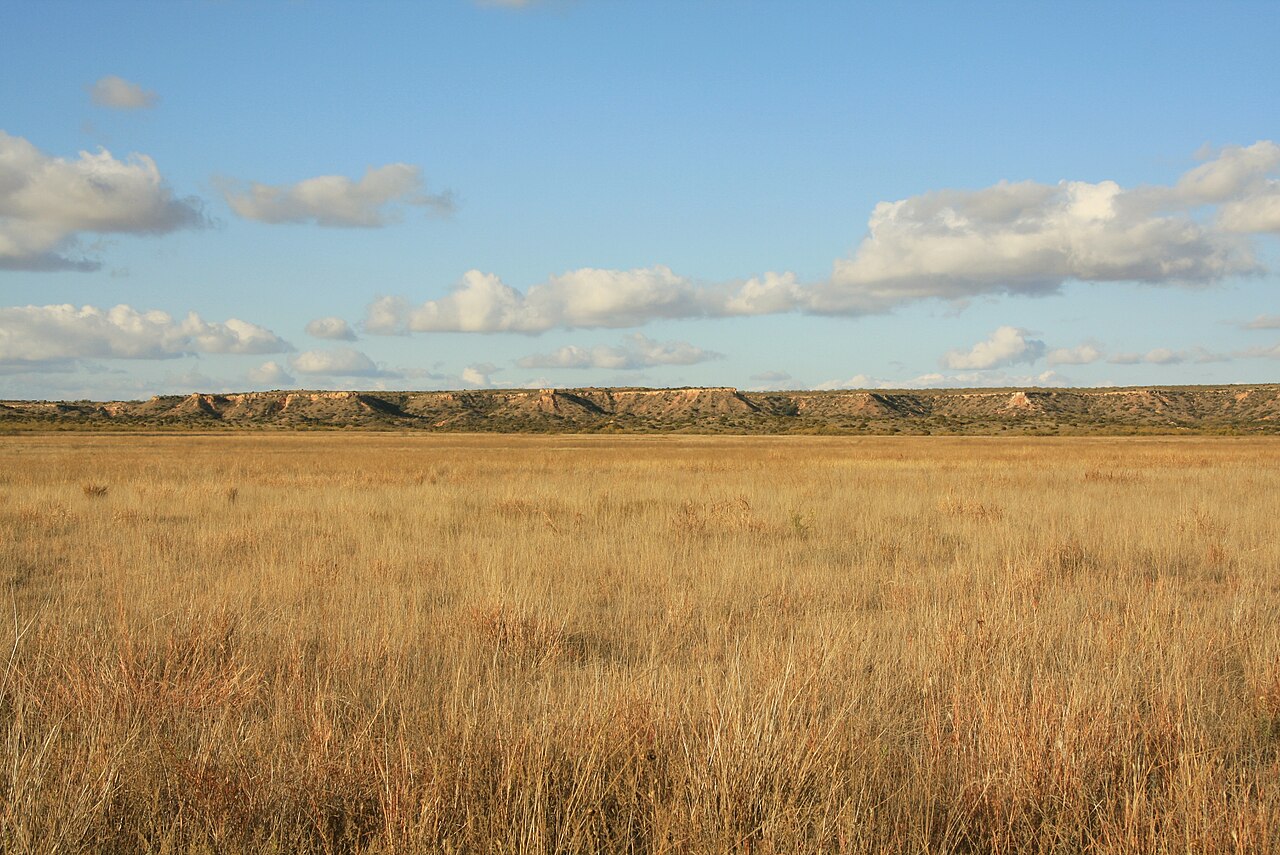
The county occupies broad, relatively flat high plains with shortgrass and mixed-grass prairie typical of the Llano Estacado. The climate is semi-arid with hot summers, cool winters and limited annual rainfall. Groundwater resources, including those associated with the Ogallala Aquifer that underlie much of the High Plains, have historically influenced farming, irrigation and ranching practices in the area.
History and development
Crosby County was organized during the late 19th century as settlement of the plains increased. It was named for Stephen Crosby, a 19th-century Texas official. Early economic development centered on ranching; the introduction of dryland farming, local commerce and transportation links such as railroads and roads in the early 20th century shaped communities and service centers.
Demographics and economy
The population is low-density and dispersed among small towns and rural properties. Agriculture remains a primary economic driver, with cotton, cattle and other dryland crops prominent where soils and precipitation allow. Energy activity — including oil and natural gas production and, in some parts of the wider region, wind development — contributes to the local economy when geological and market conditions permit.
Communities, government and services
Crosbyton serves as the county seat and location for county government offices and many community services. Local schools, volunteer organizations and civic institutions form the core of community life. County government manages roads, public records and basic services typical of rural Texas counties.
Transportation and land use
The county is served by a network of highways and farm-to-market roads that connect agricultural producers and towns to regional markets. Rail lines were important historically and remain part of the transportation landscape in many High Plains counties. Land use is dominated by ranchland, cropland and open prairie.
Recreation and points of interest
- Wide prairie landscapes and hunting, birdwatching and other outdoor activities common to the High Plains.
- Local historical sites and small museums that reflect ranching and agricultural heritage.
Crosby County exemplifies features of West Texas rural counties: a reliance on agriculture and energy, modest population centers, and landscapes shaped by the semi-arid plains. For official information, including current statistics and county services, consult state and local resources such as the Texas state portals and county webpages.
External links
Related articles
Author
AlegsaOnline.com Crosby County, Texas Leandro Alegsa
URL: https://en.alegsaonline.com/art/24306