
Crisnée (municipality in Liège, Belgium)
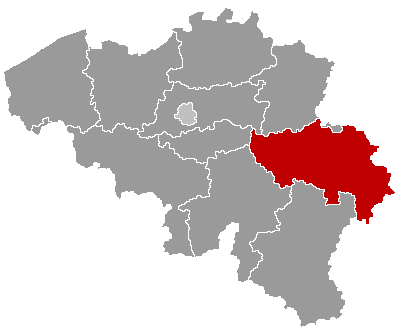
Crisnée is a small Walloon municipality in Liège province, Belgium. Rural in character, it had about 2,800 inhabitants (2007) and lies near Liège at roughly 50°43′N, 5°23′E.

Overview: Crisnée is a municipality in the Walloon Region of Belgium, located in the province of Liège. It is a largely rural community with a small population — around 2,800 residents reported in 2007 — and sits at approximately 50°43′N, 5°23′E. The municipality forms part of the broader cultural and economic area centered on the city of Liège.
Image gallery
3 Images
Geography and character
Crisnée's landscape is typical of the Hesbaye and Condroz transition zone: a mix of arable fields, small woodlands and village settlements. The area is organized as a set of villages and hamlets rather than a single dense town center, giving it a low-density, agricultural character with scattered historic farms and parish churches.
History and development
Like many settlements in eastern Belgium, Crisnée has origins that trace back to the medieval period. Over centuries it developed around local agriculture and parish life, later becoming integrated into modern Belgian municipal structures. Modern transport links and regional economic shifts have turned parts of the population into commuters working in larger nearby towns.

Economy, services and transport
The local economy is a mix of farming, small local businesses and services that support residents. Public services are organized through the municipal administration. Transport connections include local roads linking to regional highways and the rail and road networks serving the Liège area, which facilitate commuting and access to urban amenities.
Points of interest and culture
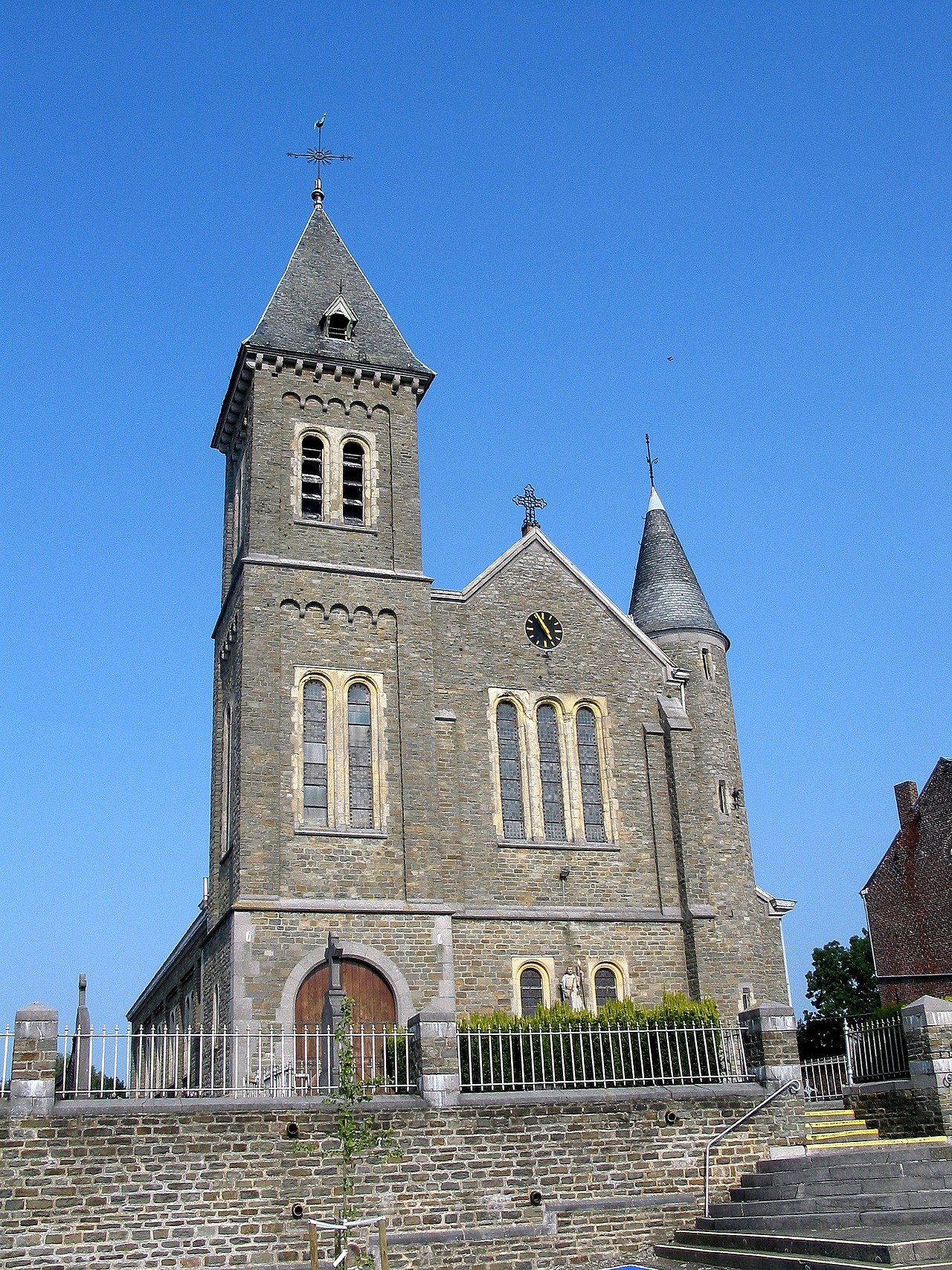
Crisnée is known for its rural heritage: village churches, traditional houses and scattered historic farmsteads. Community life typically revolves around municipal events and local traditions found throughout Wallonia. Visitors interested in quiet countryside and local architecture will find the setting representative of the Liège province countryside.
Further information
- Municipal information — official notices and local services.
- Province of Liège — regional context and administrative details.
- Tourism and heritage — visitor information for the area.
- Statistical and geographic data — demographic and coordinate references.
Related articles
Author
AlegsaOnline.com Crisnée (municipality in Liège, Belgium) Leandro Alegsa
URL: https://en.alegsaonline.com/art/24216
Sources
- statbel.fgov.be : Werkelijke bevolking per gemeente op 1 januari 2007 / Population de droit par commune au 1 janvier 2007 (.xls)
- statbel.fgov.be : Geografische coördinaten van de gemeenten (.xls)