
COVID-19 pandemic in mainland China
Overview of the COVID-19 outbreak in mainland China: origins, public-health response, major measures, societal and economic impacts, and later policy shifts including the end of strict containment.
The COVID-19 global outbreak began to affect mainland China at the end of 2019. The disease, caused by the novel coronavirus SARS-CoV-2, is commonly referred to as COVID-19. In this context, mainland China denotes the territory under the central government excluding Hong Kong, Macau and Taiwan; it was the first large-scale setting where the disease produced sustained transmission and prompted extensive public-health action.
Image gallery
10 Images



Initial detection and early spread
Local clinicians reported a cluster of unusual viral pneumonia cases in late December 2019. A hospital in the provincial capital of Wuhan, Hubei province, notified public-health authorities on 27 December 2019 of several patients with pneumonia of unknown cause. Those initial patients had symptoms consistent with atypical pneumonia, and investigations soon identified a novel coronavirus that rapidly became the focus of national and international attention.
Public-health measures and containment
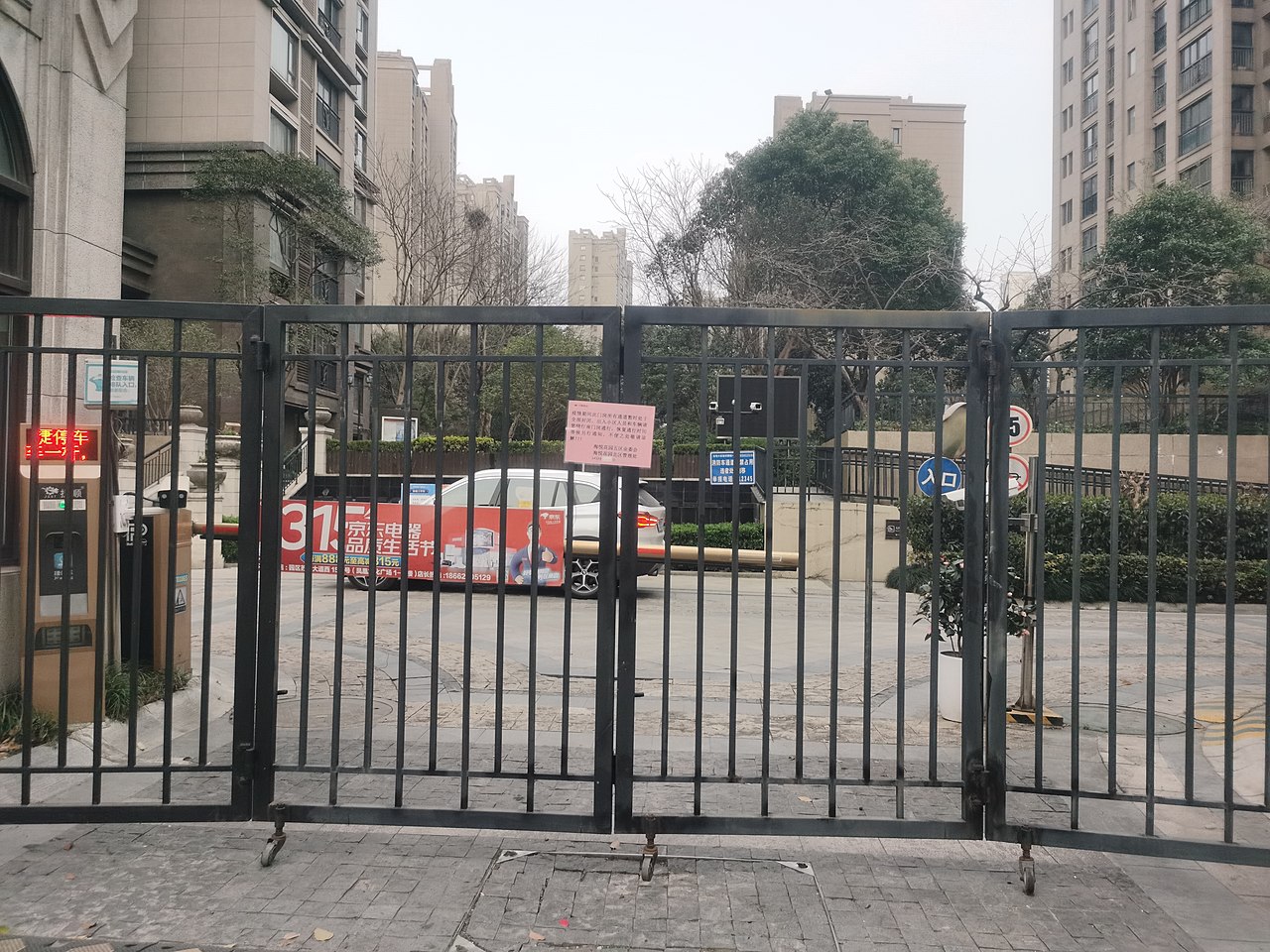
China implemented an extensive and sustained set of interventions to limit viral spread. Authorities employed large-scale testing, contact tracing, centralized quarantine of cases and close contacts, restrictions on travel and mass gatherings, and targeted or citywide lockdowns, including restrictions on movement in and out of major urban centers. Typical measures included:
- Strict local lockdowns and travel controls to reduce mobility.
- Mass nucleic-acid testing campaigns and mandatory isolation of positive cases.
- Use of digital tools for health status monitoring and access control.
Vaccination, treatment and health impacts
Domestic vaccine development and deployment became a major component of the nationwide response, with several vaccine types later administered to large segments of the population. Clinical care protocols evolved as knowledge of the virus and its complications increased. The outbreak placed significant strain on hospitals during peaks of transmission and prompted expansion of temporary facilities and medical resources in affected areas.
Social, economic and political effects
Measures to control the virus had broad effects on daily life and the economy, including disruptions to travel, manufacturing, education and international trade. Public sentiment, protest, and debate about the balance between strict containment and normal life were notable, and policy adjustments over time reflected those pressures. Discussions about data reporting and transparency also featured prominently in domestic and international assessments of the outbreak response.
Later developments and legacy
Over the course of the pandemic, policy approaches in mainland China shifted in response to changing scientific knowledge, population immunity and social priorities. At various points authorities relaxed or tightened controls. The trajectory of the epidemic in this context influenced global supply chains, travel policies and public-health planning elsewhere. For further background readings and timelines see general sources on the pandemic and region-specific reports: China pandemic overview, emergency response analyses and retrospective studies on transmission and control strategies (Hubei reports, Wuhan investigations, clinical pneumonia studies, and global comparisons COVID-19 resources).
Related articles
Author
AlegsaOnline.com COVID-19 pandemic in mainland China Leandro Alegsa
URL: https://en.alegsaonline.com/art/23777
Sources
- news.163.com : 新型肺炎疫情地圖 實時更新 · web.archive.org
- nytimes.com : "The Coronavirus: What Scientists Have Learned So Far"
- nhc.gov.cn : 截至5月13日24时新型冠状病毒肺炎疫情最新情况
- nhc.gov.cn : 湖北省武汉市新冠肺炎疫情数据订正情况
- who.int : "Pneumonia of unknown cause – China"
- wsj.com : "New Virus Discovered by Chinese Scientists Investigating Pneumonia Outbreak" · web.archive.org
- worldcat.org : 0099-9660
- nytimes.com : "Coronavirus Crisis Exposes Cracks in China's Facade of Unity" · web.archive.org
- worldcat.org : 0362-4331
- hkcnews.com : 眾新聞 | 【武漢肺炎大爆發】西藏首宗確診 全國淪陷 內地確診累計7711宗 湖北黃岡疫情僅次武漢
- npr.org : "Coronavirus Has Now Spread To All Regions Of mainland China"