
Cotopaxi Province, Ecuador
Central Ecuadorian province named for the Cotopaxi volcano; known for highland landscapes, Latacunga capital, agricultural economy, indigenous communities, and protected ecosystems.
Cotopaxi Province lies in the central highlands of Ecuador. It takes its name from the imposing Cotopaxi volcano that dominates the region's skyline and influences local climate, culture, and economy. The provincial capital and largest city is Latacunga, an Andean market and cultural center noted for traditional crafts and lively festivals.
Image gallery
2 Images
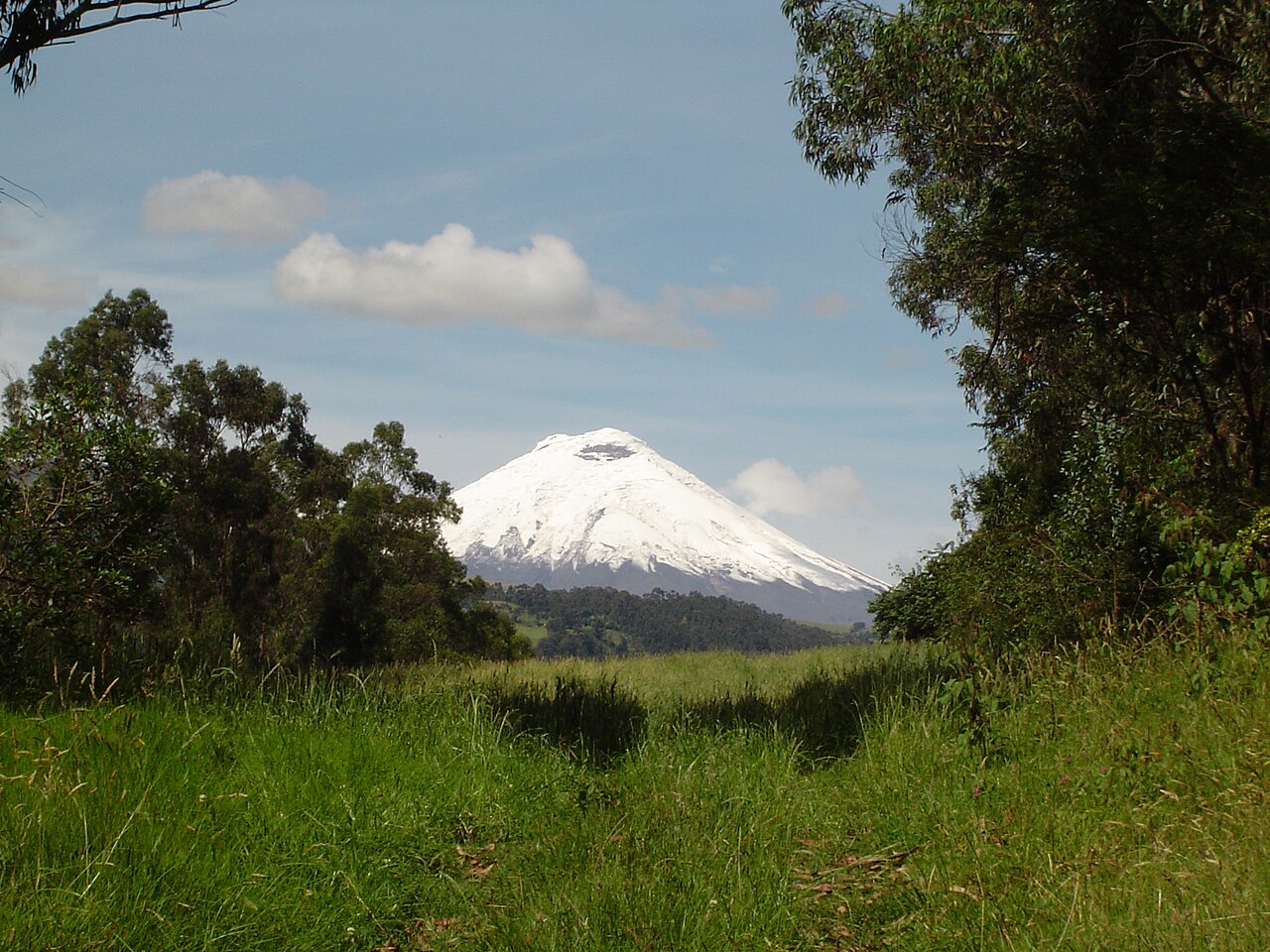
Geography and the Cotopaxi volcano
The province features high-altitude páramo, fertile valleys and steep mountain slopes. Cotopaxi volcano, located within the province and visible from many communities, is one of the highest active volcanoes in the world at about 5,900 meters. Its glaciers, volcanic soils and historic eruptions have shaped both natural habitats and human settlement patterns. Much of the mountain lies within protected areas that conserve páramo ecosystems and Andean wildlife.
Administrative divisions
Cotopaxi is organized into several cantons (administrative districts) that center on market towns and rural parishes. Prominent cantons include:
- Latacunga
- Pujilí
- Salcedo
- Saquisilí
- La Maná
- Pangua
- Sigchos
Economy, culture and society
The province's economy is largely agricultural: potato and grain cultivation, livestock raising and local food production are widespread. Traditional markets—especially in towns like Saquisilí—are important venues for trade and cultural exchange. Indigenous Kichwa communities contribute to the region's language, artisanal textiles and agricultural knowledge. Festivals such as the Latacunga celebrations blend indigenous and colonial traditions and attract national visitors.
Conservation, tourism and notable sites
Protected areas around the volcano preserve paramo grasslands, highland lakes and a variety of bird species. Cotopaxi National Park and surrounding reserves offer hiking, mountaineering and wildlife observation; guided climbs of the volcano are a popular but challenging activity. Other attractions include colonial-era churches, open-air markets and scenic highland routes. For practical information on travel and local regulations see regional resources such as Cotopaxi volcano guidance.
Because of its active volcanic nature and fragile ecosystems, the province balances agricultural livelihoods, cultural heritage and environmental protection. Cotopaxi remains a distinctive part of Ecuador's Andean landscape, combining dramatic natural features with living highland communities.
Related articles
Author
AlegsaOnline.com Cotopaxi Province, Ecuador Leandro Alegsa
URL: https://en.alegsaonline.com/art/23361
Sources
- es.scribd.com : "Human Development Index in Ecuador"
- statoids.com : Cantons of Ecuador