
Corte, Corsica: town, history and cultural importance
Corte is a mountain town in central Corsica, historically the capital of the 18th‑century Corsican Republic under Pasquale Paoli, today a university and tourist centre in the Haute‑Corse department.
Overview
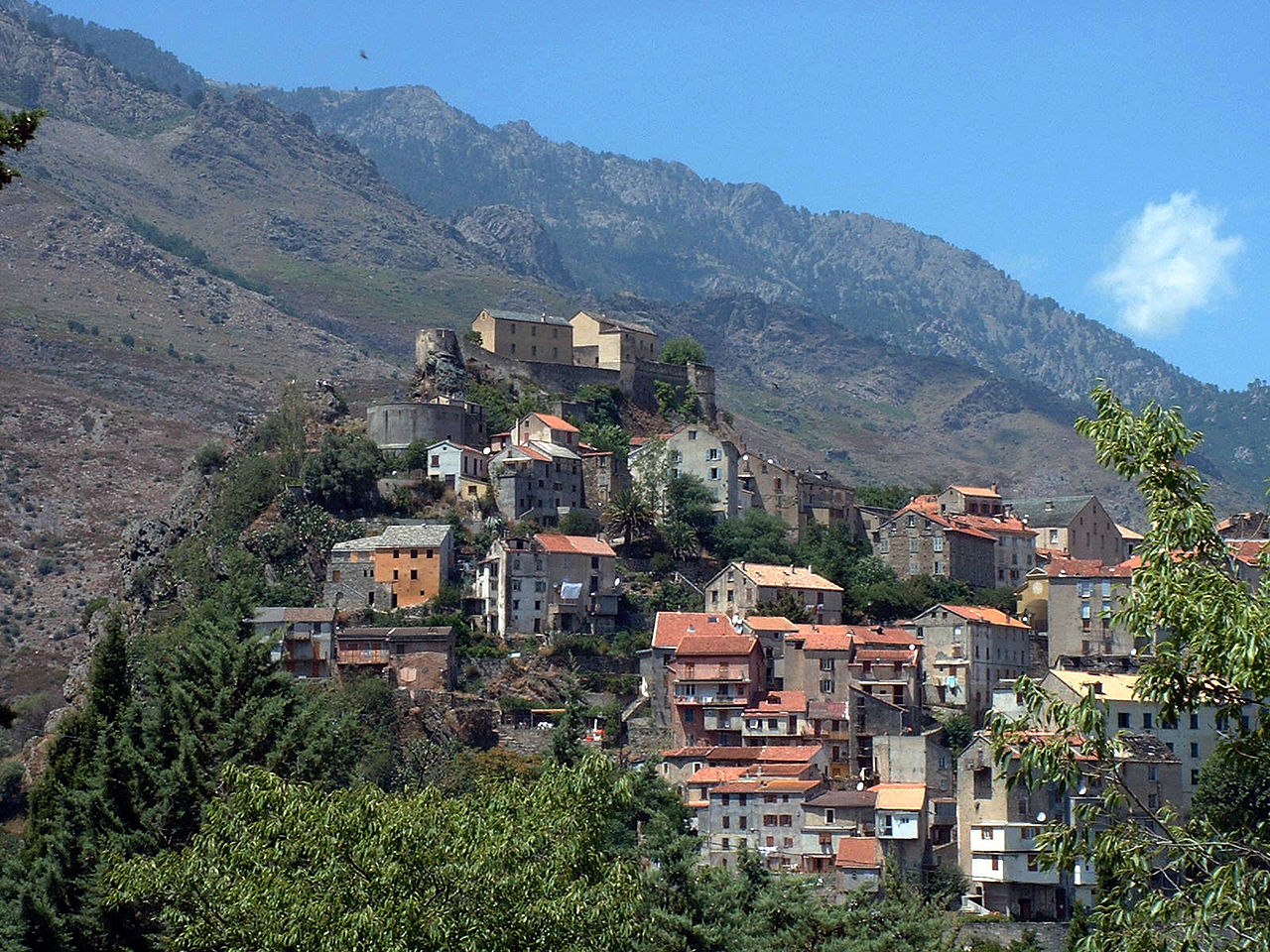
Corte (Corsican: Corti) is a commune in the Haute‑Corse department on the island of Corsica, part of the Republic of France. Nestled in central Corsica, it is one of the island's principal towns and traditionally ranked after Ajaccio, Bastia and Porto‑Vecchio in population. Historical census figures cited the town with approximately 6,329 (1999) inhabitants, though the number changes with seasonal students and visitors.
Image gallery
9 Images


Geography and setting
Situated at the confluence of mountain valleys, Corte occupies a strategic position above the Tavignano river and is surrounded by rugged terrain, steep gorges and highland pastures. The town's narrow streets climb toward a prominent citadel perched on a rocky outcrop, offering panoramic views of the surrounding peaks. The nearby Restonica valley and alpine lakes are a focus for hiking, climbing and nature tourism, making Corte a gateway to Corsica's interior.
History
Corte is best known for its role in 18th‑century Corsican history: it served as the capital of an independent Corsican state led by the patriot Pasquale Paoli and became the seat of his institutions. During that period the town was the centre of political life and local governance, and it retains many monuments and places associated with Corsican nationalism and the memory of Paoli. Later annexation by France changed its administrative status but not its symbolic importance to the island.
Culture, education and institutions
Today Corte combines historical heritage with academic life. The town hosts the island's principal campus of higher education, which brings a student population and cultural activity to a small mountain community. Museums and cultural centres present Corsican history, language and traditions, while local festivals and markets promote artisanal crafts and music. Visitors will find exhibitions that interpret Paoli's legacy and the island's rural past.
Economy, tourism and notable sites
Economically Corte functions as a service centre for the surrounding rural area and as a hub for mountain tourism. Outings into the interior, guided walks, and outdoor sports are important sources of revenue. Key places of interest include:
- The citadel and its viewpoints, which dominate the townscape.
- Museums and cultural venues that explain Corsica's history and identity.
- Access points to the Restonica valley and alpine lakes, popular for day trips.
Corte remains significant both as a living community and as a symbol of Corsican autonomy and culture. Its mix of historical sites, educational institutions and mountain scenery make it an important stop for anyone exploring the island's interior.
Related articles
Author
AlegsaOnline.com Corte, Corsica: town, history and cultural importance Leandro Alegsa
URL: https://en.alegsaonline.com/art/23257