
Corps de ballet
The corps de ballet is the ensemble of non-soloist dancers in a ballet company. This article explains their role, organization, history, common repertoire examples, and artistic importance.
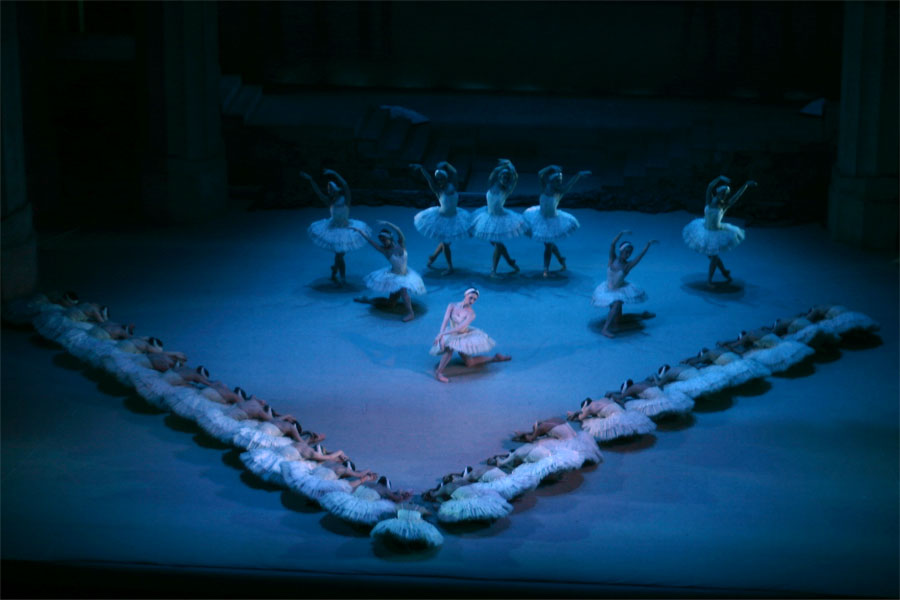
The corps de ballet (French for "body of the ballet") is the group of dancers in a ballet company who perform as an ensemble rather than as principal soloists. They create unison patterns, atmospheric tableaux, and rhythmic group movement that frame and support featured dancers. Though often seen in the background, the corps is essential to the structure, mood, and visual architecture of classical and contemporary ballets.
Image gallery
4 Images


Roles and characteristics
Members of the corps de ballet perform a variety of functions within productions. They may act as a chorus, center a scene with coordinated steps, portray crowds or villagers, or form decorative arrangements that highlight the principals. Typical characteristics include:
- Strict ensemble technique: identical port de bras, timing, and line to create an undifferentiated group effect.
- Choreographic precision: demanding counts, identical phrasing, and spatial patterns.
- Versatility: moving between character roles, abstract formations, and mime as required by the piece.
History and development
The corps de ballet emerged with the development of 19th-century Romantic ballet, when choreographers began using corps formations to amplify storytelling and scenic spectacle. Over time, training methods and rehearsal standards raised the technical demands on the corps: their work progressed from simple background presence to highly synchronized ensemble choreography in both classical repertoires and modern ballets.
Repertoire examples
Familiar examples show how the corps functions dramatically. In The Nutcracker, the collective dancers create set pieces such as the Waltz of the Flowers, where the group performs floral chorography to frame the divertissement. The Nutcracker itself is a central seasonal work in which ensemble dances provide variety and scale for the production; see The Nutcracker for discussion of the full ballet. In more narrative ballets, corps members often play townspeople or supernatural figures—such as the peasants who populate the mad scene in Giselle—and unite the stage for dramatic effect; compare that scene's chorus-like function with the specific mad scene passages where the ensemble shapes the story.
Organization, training, and career paths
Corps dancers typically rehearse daily and follow a company class regimen similar to soloists, receiving coaching in ensemble style, partnering where required, and stage placement. Career progression can lead from the corps to soloist or principal roles, though many dancers choose long-term careers within the corps because of the particular artistry ensemble work requires.
Distinctive importance
Although not always singled out in reviews, the corps de ballet is vital to a production’s success: its cohesion amplifies melodies, constructs dramatic moments, and provides visual scale. Choreographers often design signature moments specifically for the corps, and audiences frequently remember those collective images—sweeping patterns, mirrorings, or masses—that make ballet a theatrical medium as much about community movement as about individual virtuosity.
Related articles
Author
AlegsaOnline.com Corps de ballet Leandro Alegsa
URL: https://en.alegsaonline.com/art/23214