
Cool Hand Luke
1967 American prison drama film starring Paul Newman; a study of nonconformity, authority and mythic outlaw heroism, noted for its performances, memorable lines, and cultural legacy.
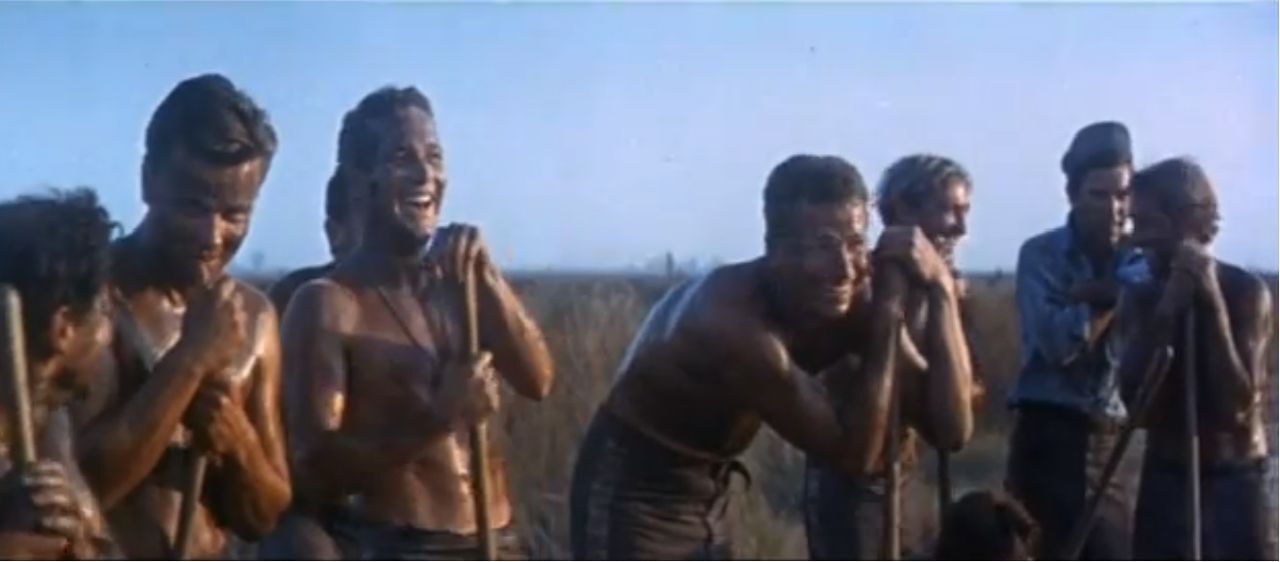
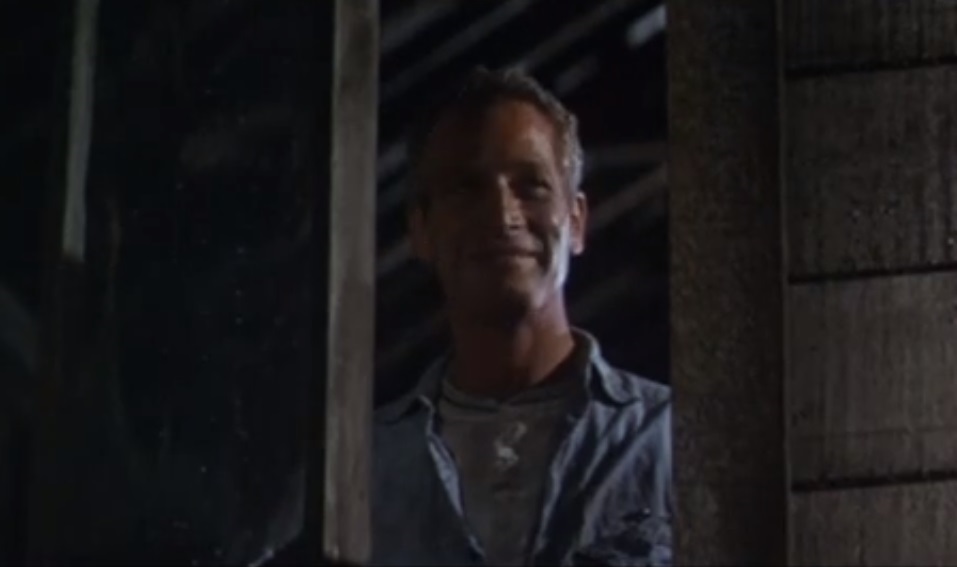
Cool Hand Luke is a 1967 American prison drama directed by Stuart Rosenberg. Based on the novel by Donn Pearce, the film follows Luke, a charismatic nonconformist who is sentenced to a Florida chain gang after a petty crime. The movie charts Luke's repeated clashes with the penal system and his refusal to accept authority, turning a simple premise into a meditation on dignity, rebellion and the cost of individuality. For general film information see the movie page.
Image gallery
6 Images



Cast and characters
Paul Newman stars as Luke, the laconic antihero whose easy charm and stubbornness drive the story; readers may find more on Paul Newman. The supporting ensemble includes a group of inmates and guards who serve as foils to Luke's behavior. George Kennedy won an Academy Award for his performance as Dragline; details on the actor are at George Kennedy, and the award recognition is noted at the Academy Award record.
Themes and notable scenes
Cool Hand Luke explores themes of resistance to authority, the creation of legend, solidarity among outsiders, and the limits of institutional punishment. The film is remembered for iconic moments that entered popular culture: a defiantly staged egg-eating contest, and a frequently quoted line about communication between prisoners and officials. The tone mixes toughness with lyricism, often giving Luke a mythic quality rather than a strictly realistic portrait.
Production and style
Adapted from Donn Pearce's novel, the screenplay was shaped to emphasize character and moral conflict. The direction, production design, and ensemble acting create the oppressive atmosphere of a Southern prison camp while allowing brief bursts of humor and camaraderie. The film's pacing balances episodic set pieces with a propulsive arc centered on Luke's refusals and consequences.
Reception and legacy
On release the movie earned critical praise for performances, especially Paul Newman's central turn and George Kennedy's supporting role. Over time it has been regarded as an American classic that captures a particular strain of anti-authoritarian sentiment from the 1960s. Its lines, scenes and the figure of Luke influenced later portrayals of charismatic rebels in film and literature.
Further notes
- Origins: rooted in Donn Pearce's experiences and novelistic voice.
- Cultural impact: frequently cited in discussions of cinematic antiheroes.
- Availability: the film is widely distributed on home media and streaming platforms; consult the movie page for editions and extras.
Related articles
Author
AlegsaOnline.com Cool Hand Luke Leandro Alegsa
URL: https://en.alegsaonline.com/art/22891
Sources
- the-numbers.com : "Cool Hand Luke - Box Office Data, DVD and Blu-ray Sales, Movie News, Cast and Crew Information"
- tcm.com : "Cool Hand Luke" · web.archive.org