
United Russia
United Russia is the largest political party in the Russian Federation, formed in 2001. It is commonly described as a centrist, conservative, catch-all party that has dominated national and regional legislatures.
Overview
United Russia (Russian: Единая Россия) is the dominant political party in the Russian Federation. It presents itself as a centrist and conservative force that emphasizes stability, social conservatism and state-led development. The party holds a large share of seats in the national legislature, the State Duma, and in many regional assemblies, and is widely seen as the principal parliamentary supporter of the incumbent executive. Prominent figures associated with the party have included Dmitry Medvedev and other senior officials.
Image gallery
1 Image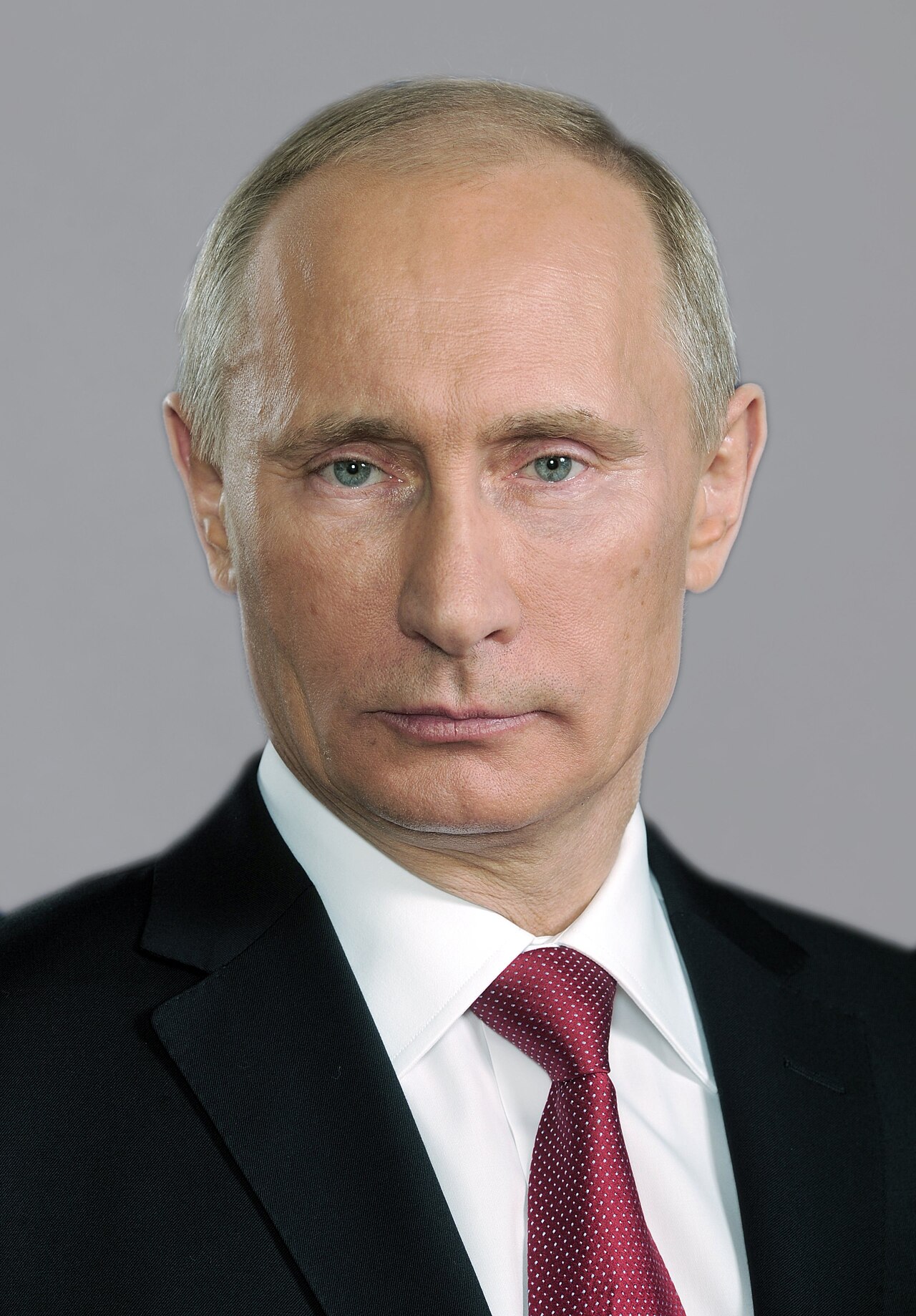
History and development
United Russia emerged in 2001 from the merger of two major political groupings. Its formation reflected a broader reorganization of the Russian party system in the early 2000s, when several blocs and movements consolidated around a pro-government platform. Since its creation the party has expanded nationwide through regional branches, local offices and collaboration with municipal administrations. Over successive elections it has maintained a commanding presence in federal and regional bodies, becoming the principal instrument for implementing many government policies.
Organization and structure
The party is structured with a central council, a chairman and multiple deputy and regional coordinators. It operates a network of regional branches that nominate candidates for local and national contests and run party-affiliated social projects. Membership includes elected officials, local politicians and supporters from a variety of professional backgrounds. United Russia often organizes primaries and internal selection procedures to choose candidates for public office.
Political position and policies
United Russia is commonly described as a big-tent or catch-all party: it combines conservative social positions with pragmatic economic policies that favor state involvement in key sectors and gradual market reforms. The party emphasizes public order, welfare stability and support for state institutions. It has backed a range of government initiatives on economic management, social programs and regional development, and typically votes in parliamentary sessions in close coordination with the executive branch.
Role, criticism and public perception
As the largest party in Russia, United Russia plays a central role in forming majorities, passing legislation and shaping regional governance. Critics and opposition groups accuse the party of benefiting from administrative resources, limited political competition and tightly controlled media environments, and it has faced allegations of electoral irregularities and preferential treatment. Supporters argue that the party provides continuity and governance capacity across a large and diverse country.
Notable facts and distinctions
- Founded through a merger in 2001 and quickly became the principal ruling party.
- Commonly described as centrist, conservative and pragmatic, often labeled a "party of power."
- Maintains extensive regional networks and a dominant legislative presence in both the regional parliaments and the State Duma.
- Has been central to implementing major government agendas and remains a key actor in contemporary Russian politics; analyses and commentary are widely available for further reading via general reference sources such as national political overviews.
Related articles
Author
AlegsaOnline.com United Russia Leandro Alegsa
URL: https://en.alegsaonline.com/art/102990