
Concordia, Kansas
Concordia is a small city in north‑central Kansas and the county seat of Cloud County. It serves as a local center for agriculture, education, and historic preservation, with notable institutions and community events.
Concordia is a small city in north‑central Kansas in the United States. It has served as the county seat of Cloud County since 1871 and functions as a regional hub for government, education and commerce in a largely agricultural part of the state. The city combines a compact downtown, civic buildings, and neighborhoods surrounded by cultivated plains.
Image gallery
10 Images
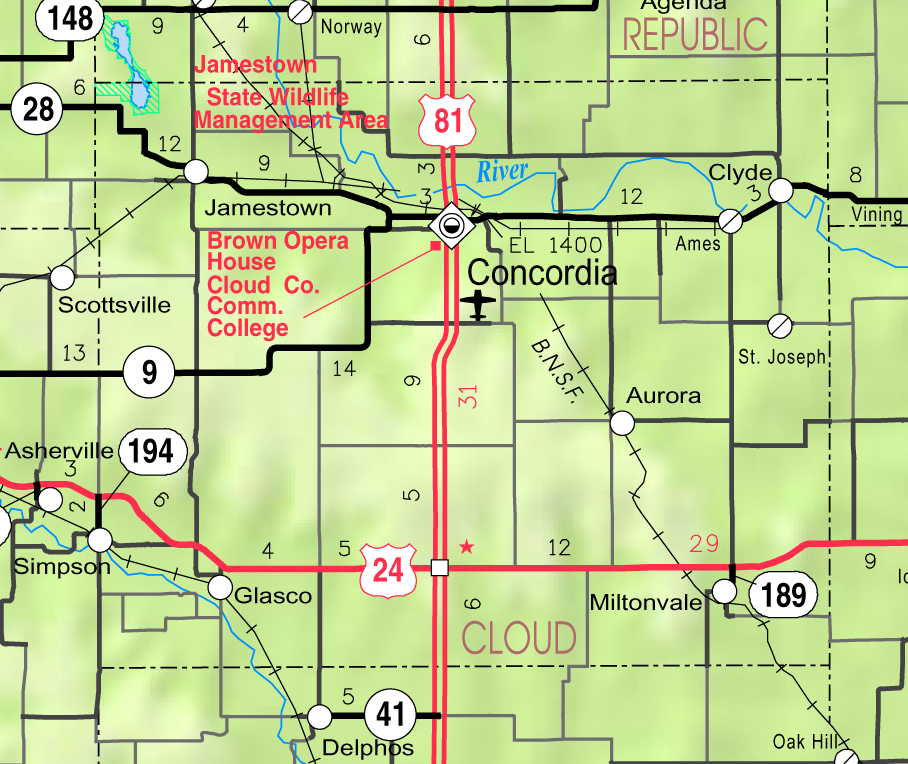
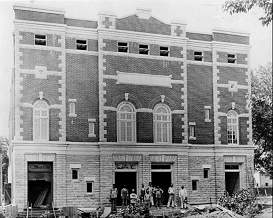


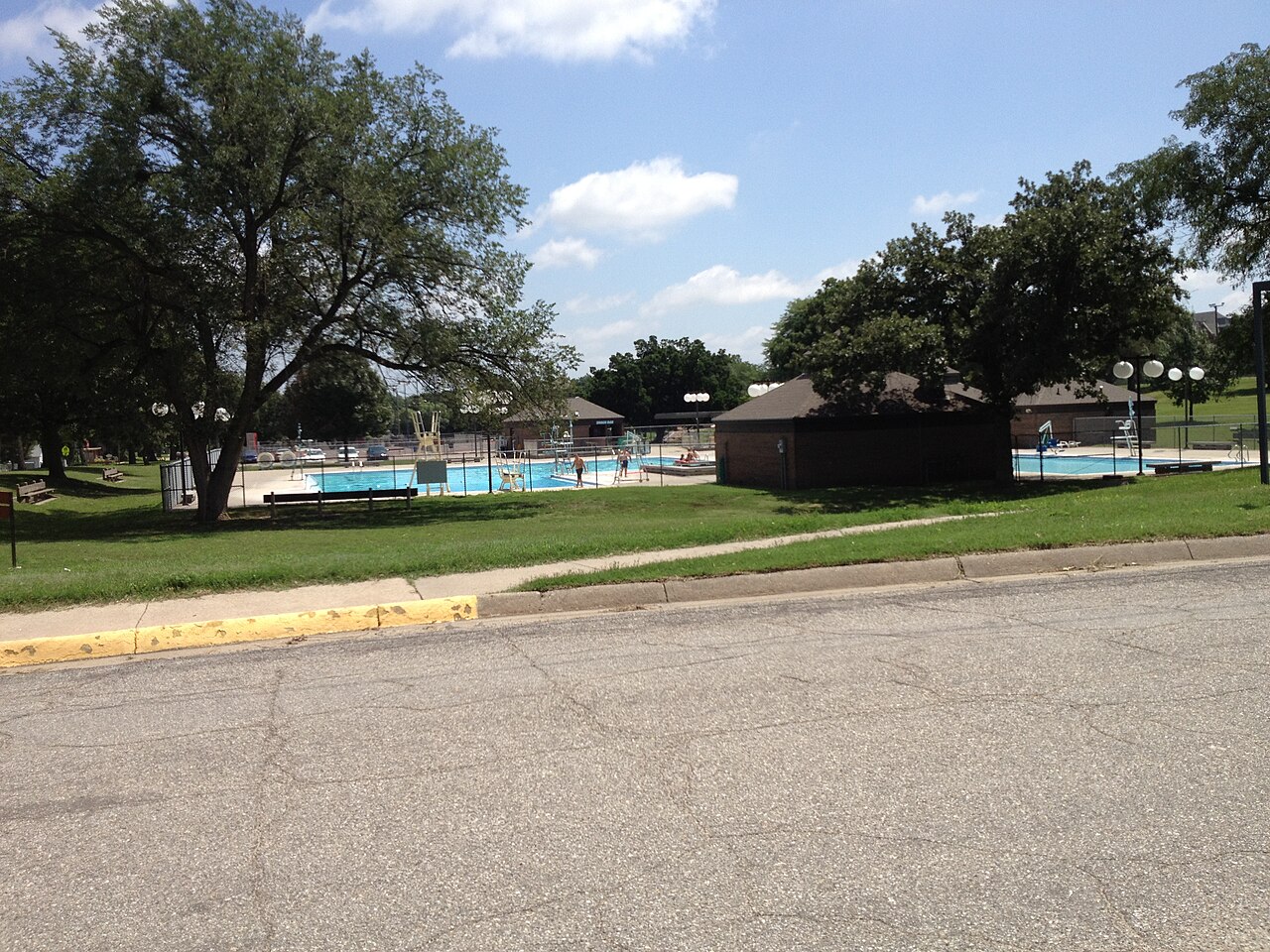


Characteristics and geography
Concordia lies on the plains of central Kansas and experiences a continental climate with warm summers and cold winters. Its built environment reflects late 19th- and early 20th-century development: a courthouse square, historic commercial blocks, and a mixture of residential districts. Roads and rail links connect the city to nearby towns and farming areas, and public services support the surrounding rural population.
History and development
Established during the era of county formation and frontier settlement, Concordia grew as settlers arrived to farm the fertile prairie. Its designation as county seat in 1871 anchored government institutions and encouraged civic investment. Over time local landmarks, civic organizations and cultural venues preserved the town’s historic character while adapting to changing economic conditions.
Economy, institutions and culture
The local economy is shaped by agriculture, public services and small business. Concordia hosts educational and cultural institutions that attract residents from across the county, including higher-education and historic performance venues. Community festivals, arts organizations and museum efforts contribute to civic life and tourism.
- Education: A community college campus provides workforce training, academic programs and continuing education for the region.
- Historic sites: A restored early 20th-century theater and downtown landmarks illustrate local preservation efforts.
- Civic role: As the county seat, Concordia houses county offices, courts and public records that serve the wider area (local government).
Today Concordia is recognized for blending rural Kansas traditions with community institutions that support education, history and local services. Visitors and residents alike find a mixture of agricultural landscape, preserved architecture and civic life centered on the courthouse square and nearby cultural venues.
Related articles
Author
AlegsaOnline.com Concordia, Kansas Leandro Alegsa
URL: https://en.alegsaonline.com/art/22410
Sources
- factfinder2.census.gov : "American FactFinder" · web.archive.org
- geonames.usgs.gov : "US Board on Geographic Names"