
Arturo Merino Benítez International Airport (SCL)
Chile's largest airport, serving Santiago (Pudahuel) as the main international and domestic gateway. Hub for major Chilean carriers with modern passenger and cargo facilities and ongoing infrastructure upgrades.
Arturo Merino Benítez International Airport, commonly called Santiago–Pudahuel, is the principal air gateway for Chile's capital region. Identified by the IATA code SCL and the ICAO code SCEL, the airport handles the bulk of the country’s international and domestic air traffic and functions as a key hub in the southern cone of South America. It is located in the Pudahuel commune west of Santiago's urban center; more information is available on the official airport site.
Image gallery
10 Images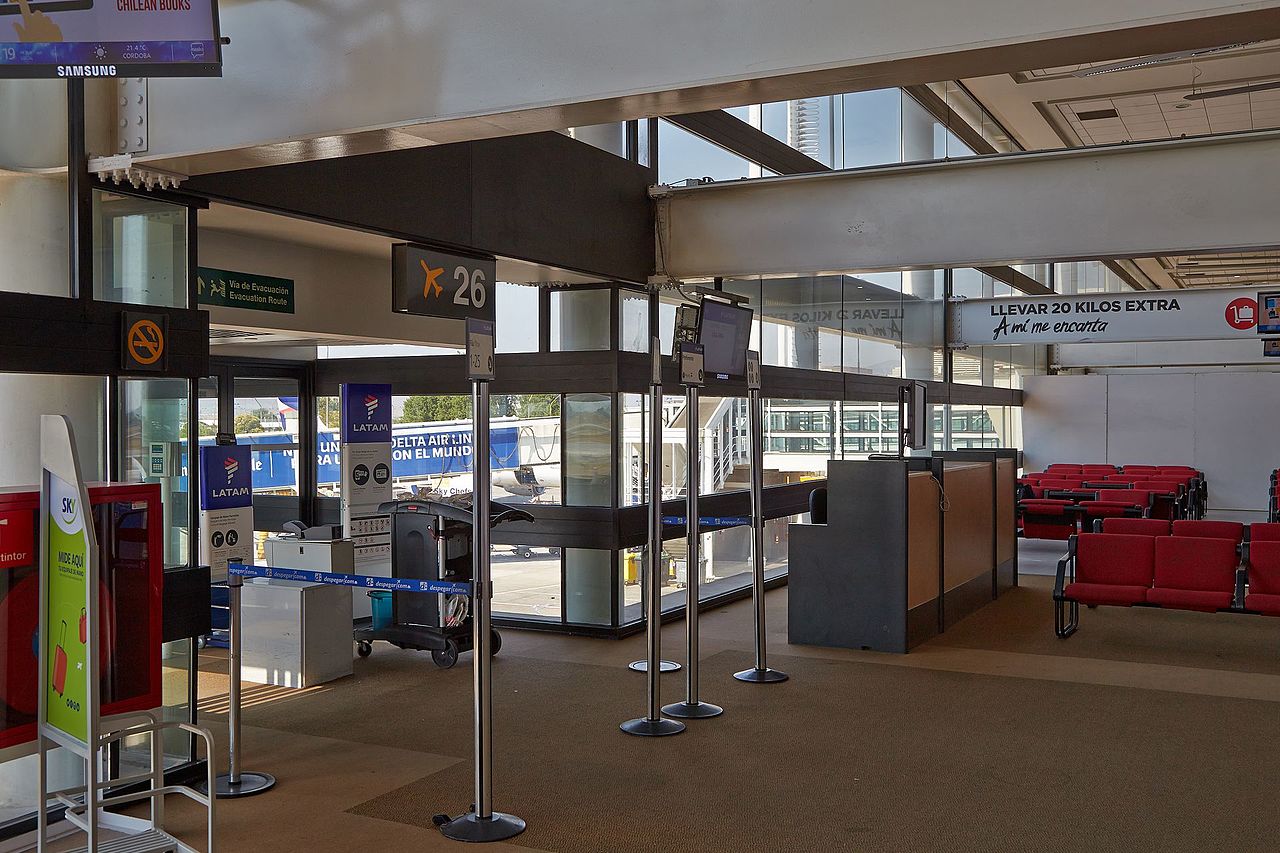






Characteristics and facilities
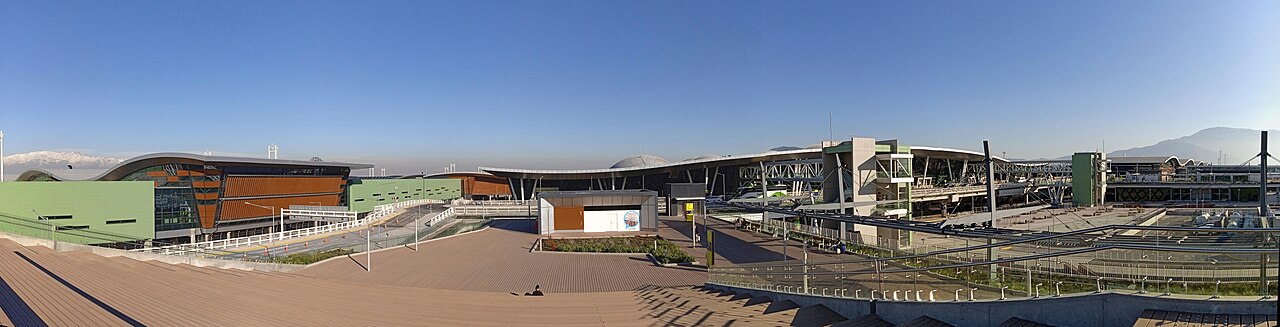
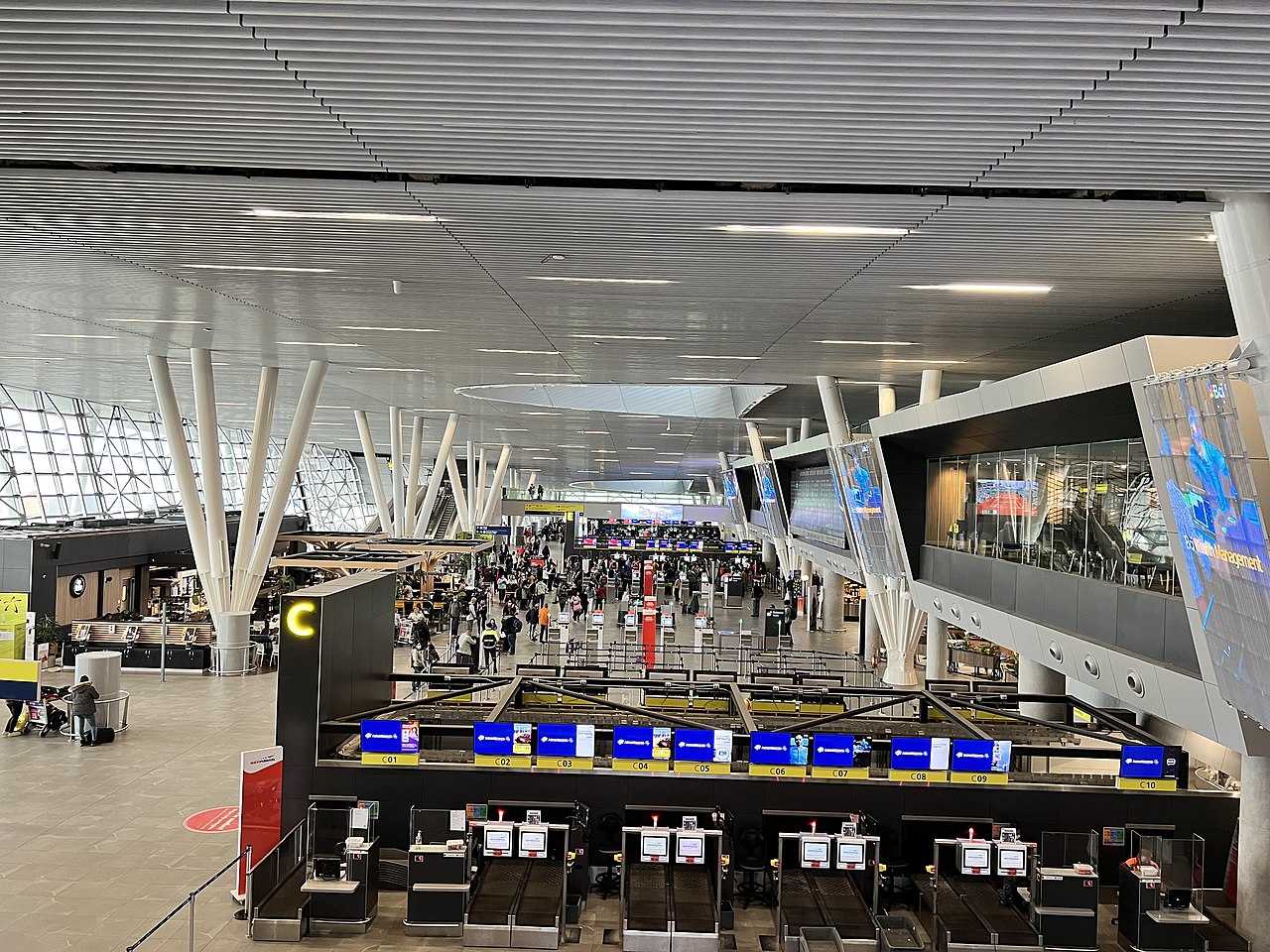
The airport complex includes a large international passenger terminal, additional infrastructure for domestic services, cargo aprons, maintenance areas and airside operations capable of handling widebody, narrowbody and regional aircraft. Passenger facilities were modernized in recent years through a public–private concession, producing a consolidated terminal with expanded check-in, security, retail and baggage systems. Ground support and freight handling make the airport a primary cargo node for Chile’s exports.
History and name
The facility bears the name of Arturo Merino Benítez, an important figure in Chilean aviation who helped found the national air service and the Chilean Air Force. Over decades the airport has grown from earlier facilities serving Santiago to the current multi-runway complex after a series of expansions and upgrades to meet rising passenger and cargo demand.
Airlines, routes and operations
Arturo Merino Benítez is a hub for Chilean carriers and a stop for numerous international lines connecting South America with other continents. Major operators at the airport include national and low-cost airlines that operate domestic networks and link Santiago to destinations across the Americas, Europe and beyond. Typical airline and service categories at the airport include:
- Full-service international carriers and long-haul operators
- Domestic airlines serving regional points within Chile
- Low-cost carriers offering point-to-point routes
- Dedicated cargo airlines and freight forwarders
For schedules and carrier information consult listings provided by the airlines serving the airport.
Ground access and future developments
Access to the airport is available by road links, express buses, intercity coaches, taxis and private vehicle. Urban transit improvements have been planned to enhance connections between downtown Santiago and the airport; some projects are progressing to reduce journey times and improve passenger convenience. Ongoing developments focus on capacity, passenger experience, sustainability and multimodal connections.
Importance and notable facts
As Chile’s busiest aviation facility, the airport plays a central role in tourism, international business travel and the national air transport network. It provides customs and immigration services for international arrivals, specialised cargo handling for exports such as agricultural products, and maintenance services for commercial aircraft operating in the region. The airport’s codes, SCL and SCEL, are commonly used in booking, operational and flight-planning systems, and the facility is an essential node in Chile’s transportation infrastructure and economic links to global markets. See local information about Santiago at Santiago resources.
Related articles
Author
AlegsaOnline.com Arturo Merino Benítez International Airport (SCL) Leandro Alegsa
URL: https://en.alegsaonline.com/art/22192