
Commode (furniture)
A commode is a low chest of drawers or cabinet, developed in 18th-century Europe from the earlier storage chest; used for clothing storage and sometimes as a washstand or bedside cabinet.
A commode is a type of furniture that traditionally refers to a low chest of drawers or a cabinet designed for storage. The term derives from French, meaning "convenient," and describes a piece intended to make access to clothing and household items easier than an older, lid-topped chest. Over time the commode became a standard element of European domestic interiors and later entered other cultural vocabularies.
Image gallery
8 Images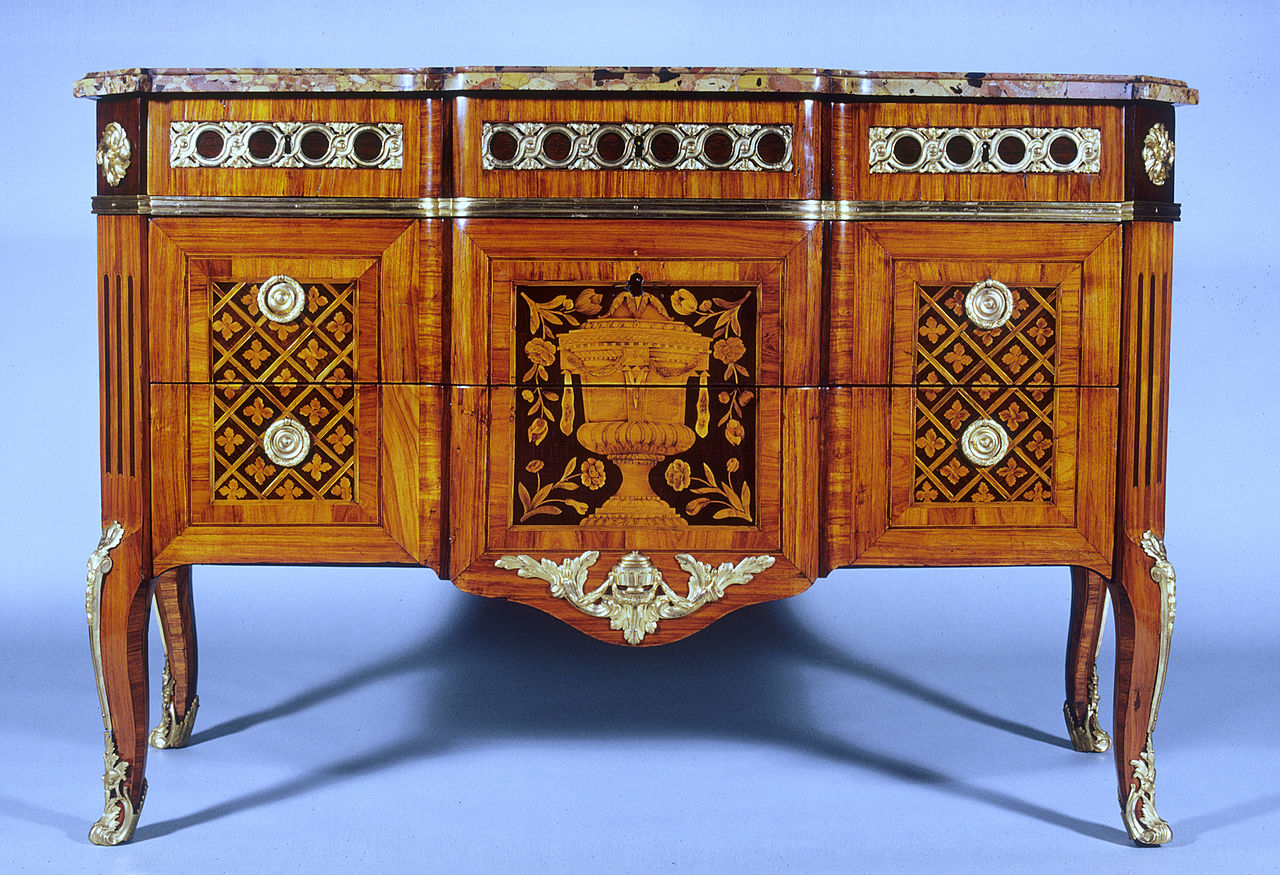





Characteristics and construction
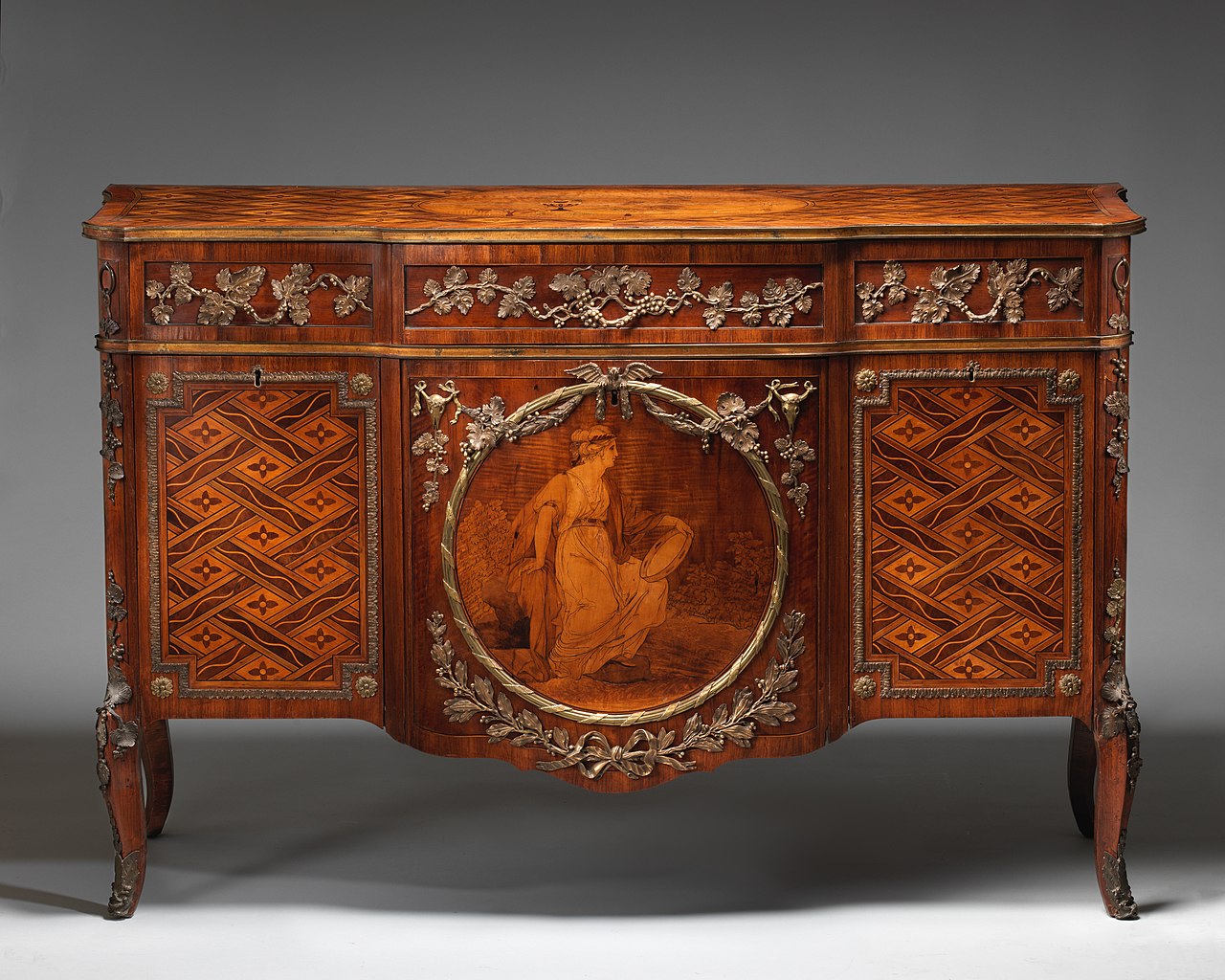
Typical commodes stand waist-high and have two to four drawers set into a veneered case. They are often raised on short cabriole or straight legs and may incorporate a decorative top of wood, marble, or stone. Decorative techniques include inlay and marquetry, gilt-bronze mounts (ormolu), and painted finishes. Materials and ornament vary with period and style, from the exuberant curves of Rococo commodes to the cleaner lines of Neoclassical examples. For more detailed examples of forms and finishes, see illustrations and descriptions.
History and development
The commode evolved in the 18th century as an alternative to the heavy, boxlike chest. Furniture makers reduced the footprint of storage by adding drawers and refining proportions; French workshops played a leading role in this evolution. Makers experimented with veneers and metal ornament to create pieces that were both useful and status symbols. The design spread across Europe and into other regions as trade and taste circulated. Historical surveys and period catalogs provide context for how the commode changed across styles and decades; consult comparative histories for timelines and makers.
Uses and variations
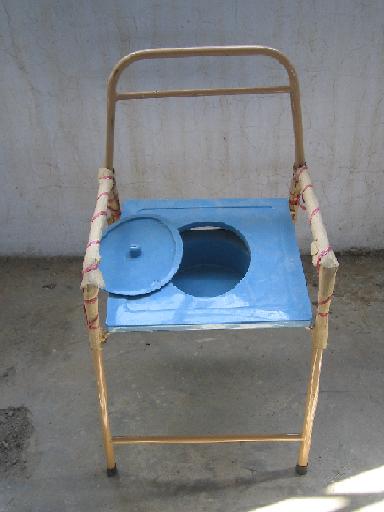
In domestic use a commode stores clothing, linens, or other household goods. Variants include the buffet commode used in dining rooms, or smaller commodes employed as bedside cabinets. In earlier centuries some commodes were adapted to hold a chamber pot or to serve as washstands; this practical function is an ancestor of the modern bedside 'commode' used in healthcare. Practical examples and modern adaptations are discussed in resources such as contemporary guides.
Distinctions and notable facts
- Furniture vs. medical device: In present-day usage, "commode" can mean either the furniture piece or a portable toilet used in medical care; context matters.
- Stylistic markers: Period commodes can indicate date and origin by their veneers, mountings, and leg forms.
- Collecting and conservation: Antique commodes are sought by collectors and often require specialist restoration because of delicate veneers and metalwork.
As both a practical storage unit and an expression of taste, the commode occupies a notable place in the history of furniture design. Its development from the simple chest to an elaborated, decorated cabinet illustrates broader shifts in household needs and decorative fashion across centuries.
Author
AlegsaOnline.com Commode (furniture) Leandro Alegsa
URL: https://en.alegsaonline.com/art/21980