
Comedic genre: types, history, and cultural role
Overview of the comedic genre: defining features, common subgenres, historical development, social functions, and distinctions such as satire, farce, and dark comedy.
The term comedy or "comedic genre" refers to a broad set of dramatic and literary forms that aim primarily to provoke laughter, amusement, or reflective amusement. Genres are commonly distinguished by where their humor comes from, how jokes are constructed and delivered, and the situation or cultural context in which they appear. At its simplest, a comedic work pairs conflict or incongruity with timing, surprise, character, or language to produce a humorous effect.
Image gallery
10 Images




Core characteristics
Comedic works rely on several repeatable devices: incongruity between expectation and outcome, exaggeration, wordplay and puns, physical humor and slapstick, irony and understatement, and the careful timing of beats and pauses. Successful comedy also depends on the audience's shared knowledge and sensibilities—what is funny in one culture or era may not land in another. Delivery and performance are often as important as written text, so stagecraft, facial expression, and vocal timing matter.
Common subgenres
- Slapstick: physical, exaggerated action and pratfalls.
- Satire: criticism of institutions, politics, or social norms using wit and irony.
- Parody: humorous imitation of a style, genre, or specific work.
- Farce: improbable situations, rapid pace, and mistaken identities.
- Romantic comedy: humor centered on love and romantic relationships.
- Dark or black comedy: treats serious or taboo topics with ironic detachment.
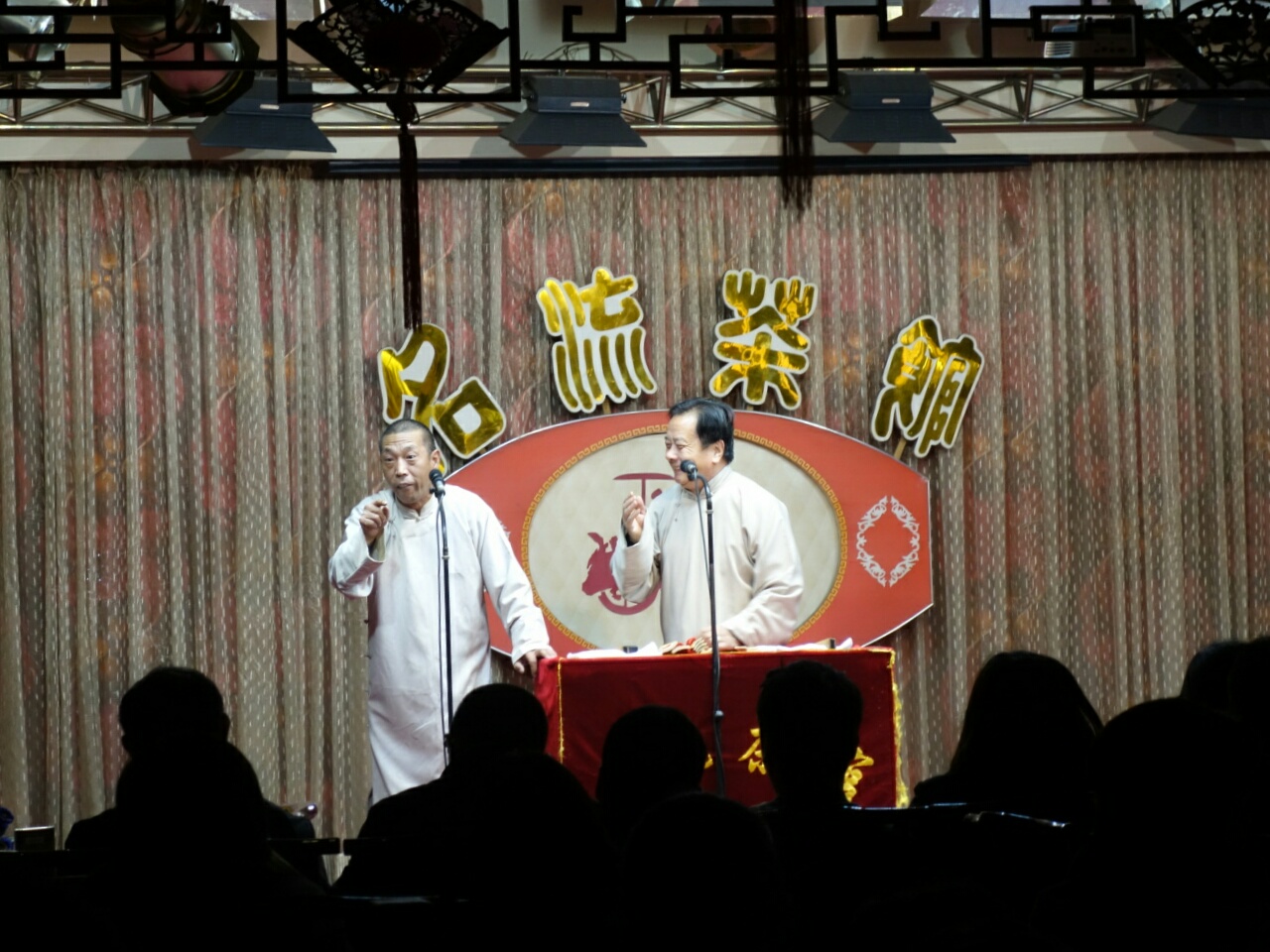
- Stand-up and observational comedy: single performers draw humor from everyday life and personal perspective.
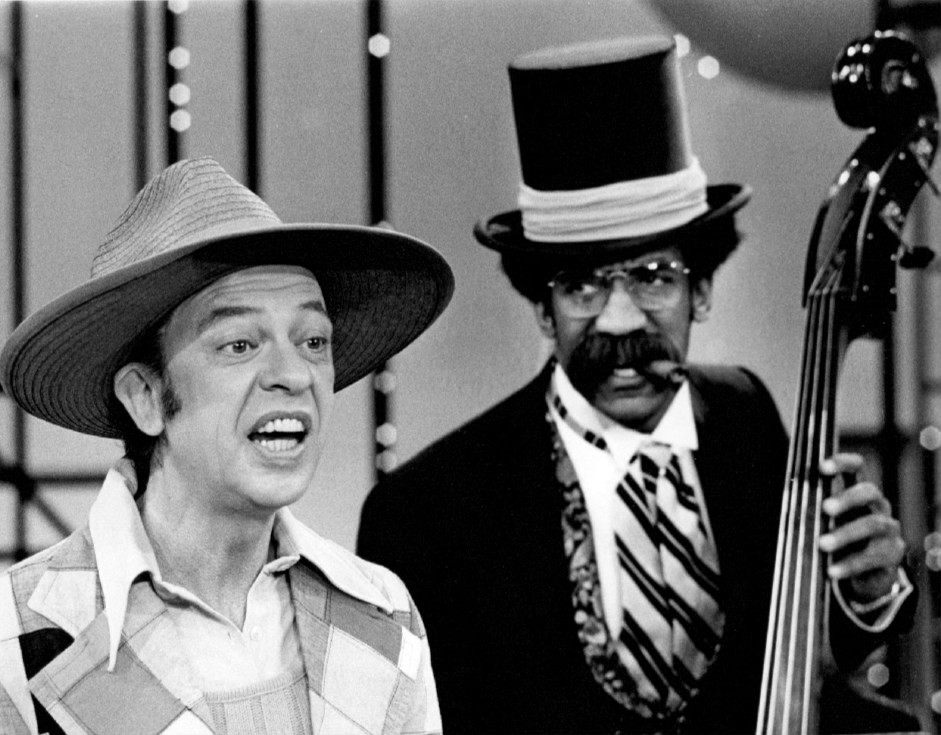
- Sketch and situational comedy (sitcom): short scenes or episodic plots built around recurring characters.
Origins and development
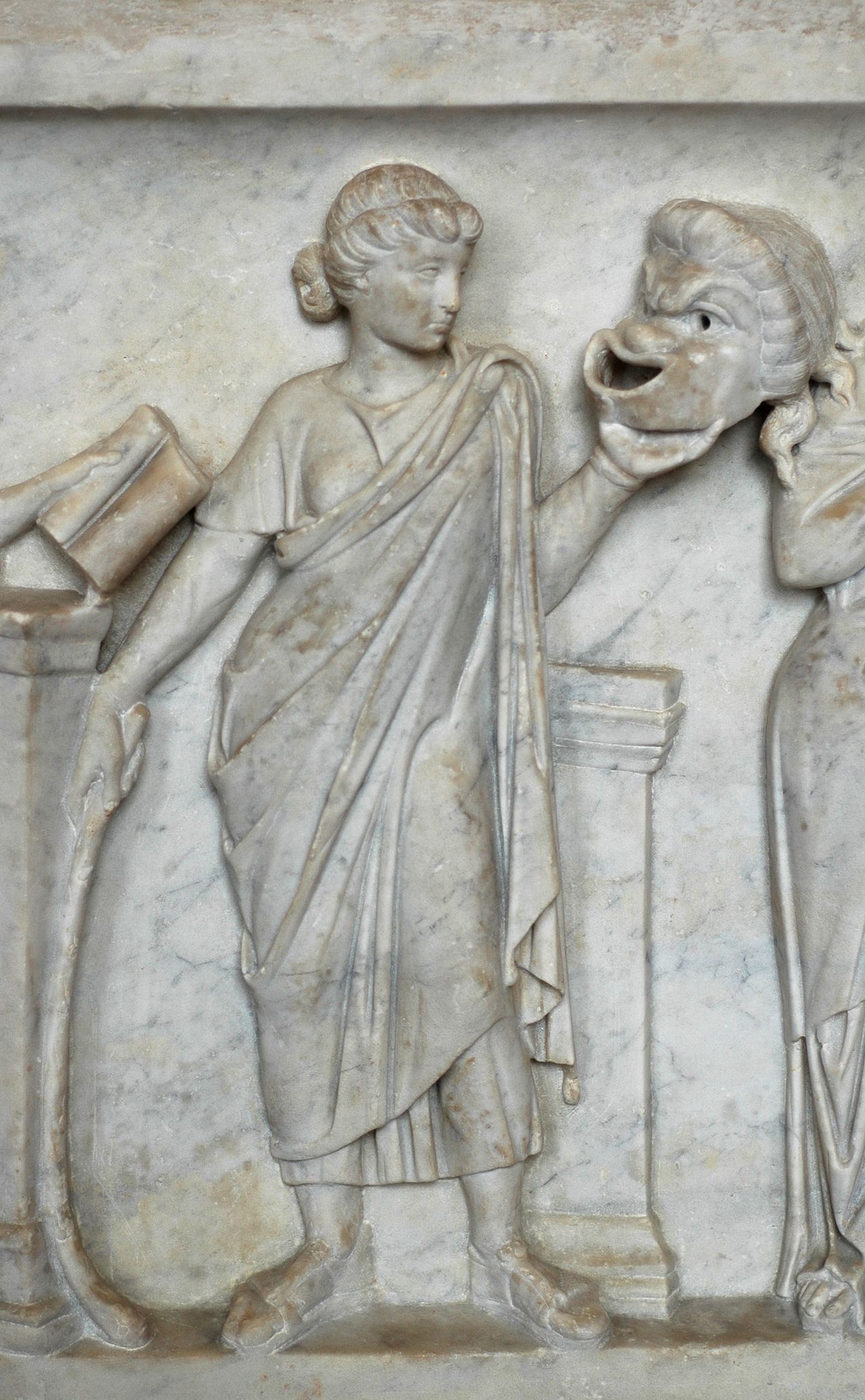
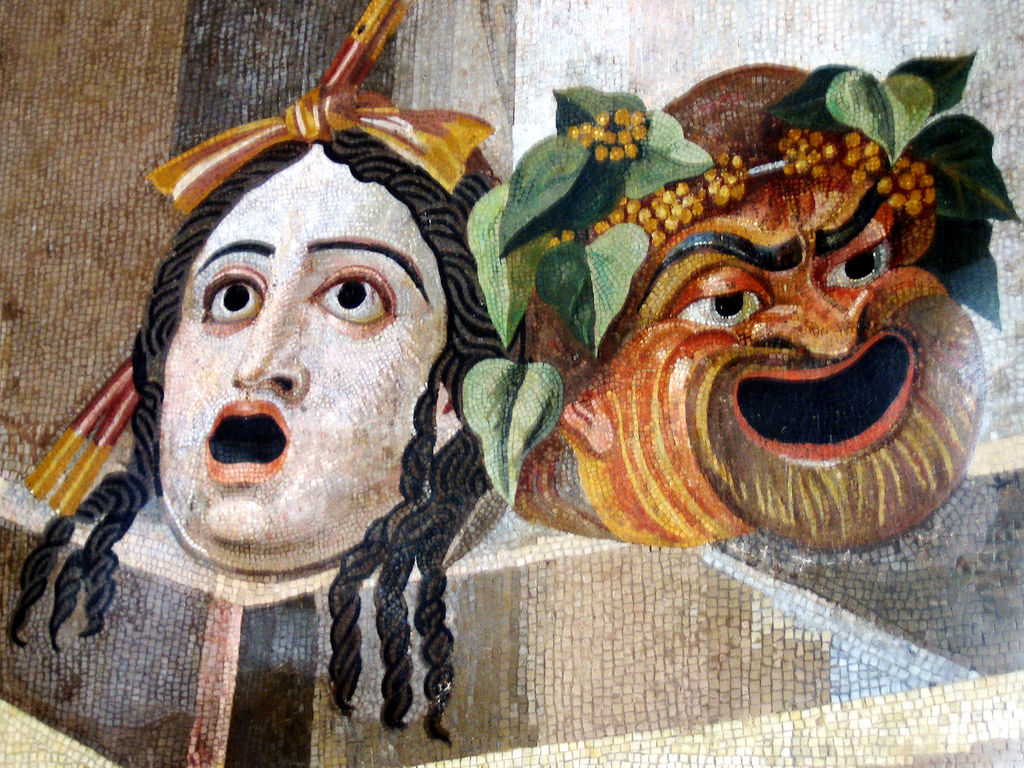
The roots of comic performance extend to ancient cultures: classical Greek and Roman playwrights staged comedies alongside tragedies, and later traditions such as commedia dell'arte in Renaissance Italy developed stock characters and improvised routines. From stage comedy evolved theatrical forms in many regions, and with technological change came new media: variety shows and vaudeville, silent-film physical comedy, radio and television sitcoms, and the modern stand-up circuit. How a joke is constructed and delivered—its structure, timing and pacing—remains central across formats, whether the unit is a single gag or a long-running series.
Functions and contemporary importance
Beyond entertainment, comedy can be a vehicle for social critique, a coping mechanism during difficult times, and a means of reinforcing group identity. Satirists and late-night comedians often shape public conversation by framing issues in memorable, humorous terms. At the same time, comedy raises questions about taste and offense, since what amuses some may wound others; context and cultural knowledge heavily influence reception. For practical guidance on joke construction and craft, many writers study structure and delivery techniques discussed in manuals and courses on joke writing.
Notable distinctions include the difference between satire (which aims to criticize) and parody (which mocks style), or between farce (which emphasizes improbability) and observational comedy (which mines ordinary experience). For more on how context shapes comedic effect and the limits of tone, see resources that examine audience and cultural frameworks related to comedic context.
Related articles
Author
AlegsaOnline.com Comedic genre: types, history, and cultural role Leandro Alegsa
URL: https://en.alegsaonline.com/art/21900