
Colleges and Universities in the District of Columbia
An introductory guide to higher education in Washington, D.C., covering major institutions, types of schools, history, academic strengths, and notable distinctions that shape the city's collegiate landscape.
Overview
The District of Columbia hosts a dense and diverse set of higher education institutions, ranging from large research universities to specialized professional and vocational schools. These institutions include private and public campuses, historically Black colleges, and schools serving particular communities. For a simple reference, see lists of colleges and universities located in the city and learn how they contribute to the capital’s educational ecosystem and labor market.
Image gallery
7 Images


Types and notable institutions
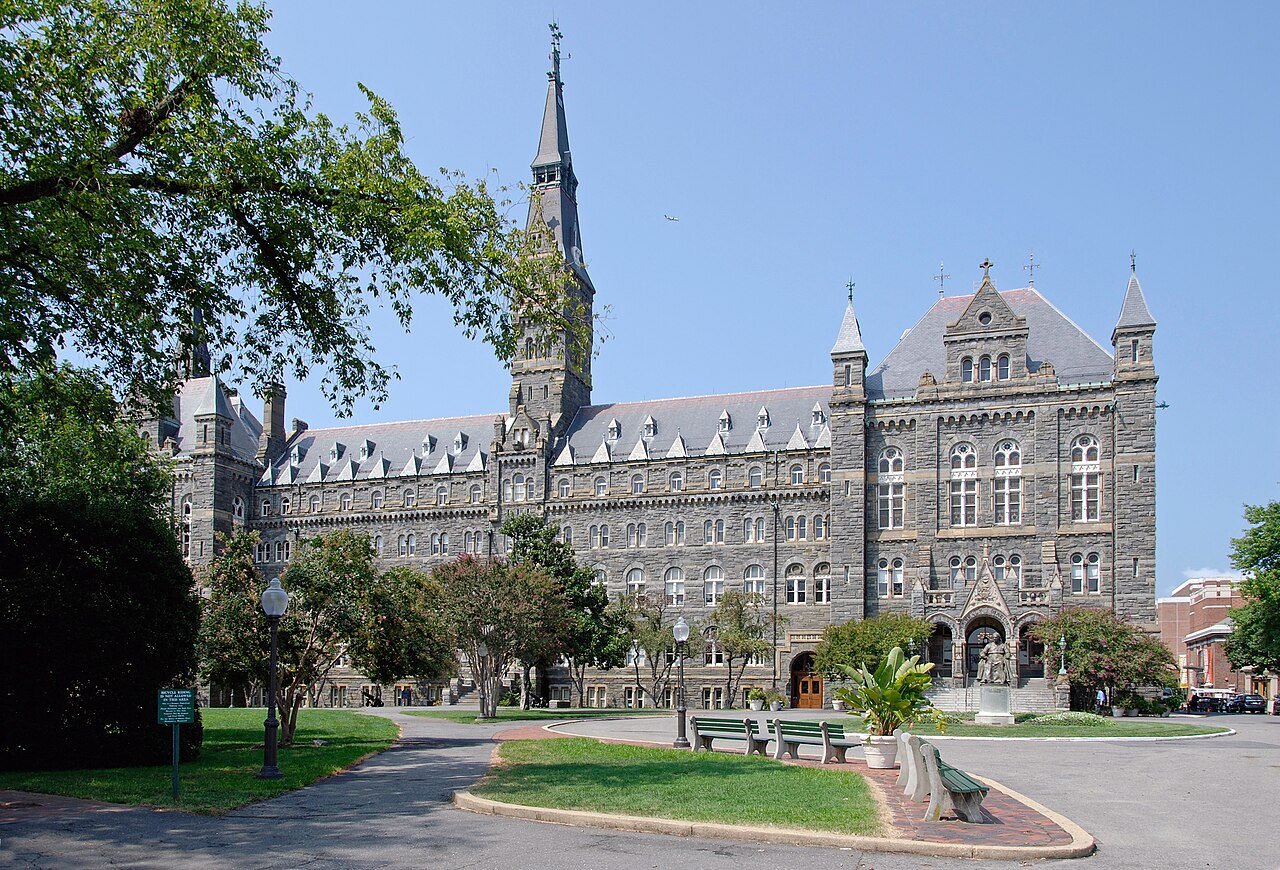
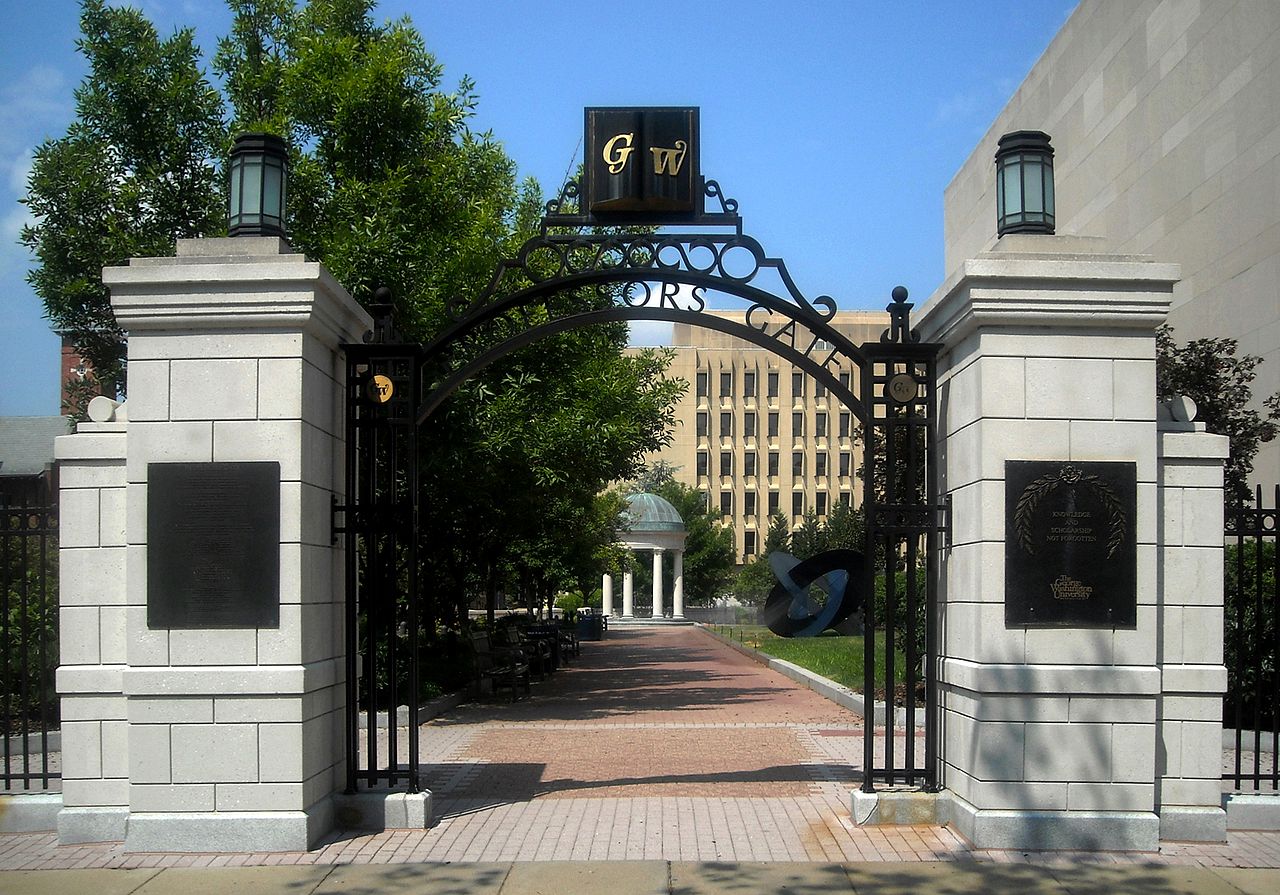
- Large private research universities: examples include Georgetown University and George Washington University, which offer broad undergraduate and graduate programs and professional schools.
- Historically Black colleges and universities (HBCUs): Howard University is the best known local HBCU and plays a key role in African American higher education.
- Specialized institutions: Gallaudet University focuses on education and research for deaf and hard-of-hearing students; other schools emphasize law, medicine, public policy, and the arts.
- Public and urban-serving institutions: the University of the District of Columbia provides public higher education options with community-focused programs.
History and development
The higher education presence in Washington, D.C. grew alongside the federal government, diplomatic missions, and nonprofit organizations. Many schools expanded in the 19th and 20th centuries, adding professional degrees in law, medicine, and public affairs to meet the needs of a capital city. Proximity to federal agencies and international organizations has shaped programmatic emphasis on public policy, international relations, and law.
Academic focus and opportunities
Colleges and universities in the District commonly emphasize professional and graduate education—law, public policy, international affairs, medicine, and business—reflecting career pathways connected to government, advocacy, and global institutions. Students benefit from internship and employment links to federal agencies, think tanks, courts, and embassies, and from networks that support research and public service.
Distinctions and notable facts
Washington’s institutions are notable for their civic engagement, concentrations of graduate programs, and specialized missions: an HBCU presence, a university dedicated to deaf education, and a public urban university serving local residents. The small geographic size of the District means campuses are closely integrated with neighborhoods and professional centers, shaping both student life and community partnerships. For official lists and further details, consult local higher-education resources and directories maintained for the District of Columbia.
Choosing among institutions
Prospective students should consider institutional type (public vs. private), program strengths, professional connections in the capital, campus culture, and available support services. Many schools offer specialized curricula aligned with government and international careers; others prioritize research or community engagement. Visiting campuses, reviewing program offerings, and contacting admissions or career centers are practical next steps for applicants.
Related articles
Author
AlegsaOnline.com Colleges and Universities in the District of Columbia Leandro Alegsa
URL: https://en.alegsaonline.com/art/21624
Sources
- commons.wikimedia.org : Universities and colleges in Washington, D.C.
- collegeboard.com : "The College Board"