
Colleges and Universities in West Virginia
Survey of higher education in West Virginia: public and private institutions, community colleges, historic schools, major programs, and their role in the state's economy and workforce.
Overview
West Virginia's higher education landscape includes a mix of research universities, regional public colleges, private liberal arts institutions, community and technical colleges, and historically black colleges and universities (HBCUs). Together these institutions offer undergraduate, graduate, professional, and vocational training tailored to the state's economic needs such as health care, education, energy, and technology.
Image gallery
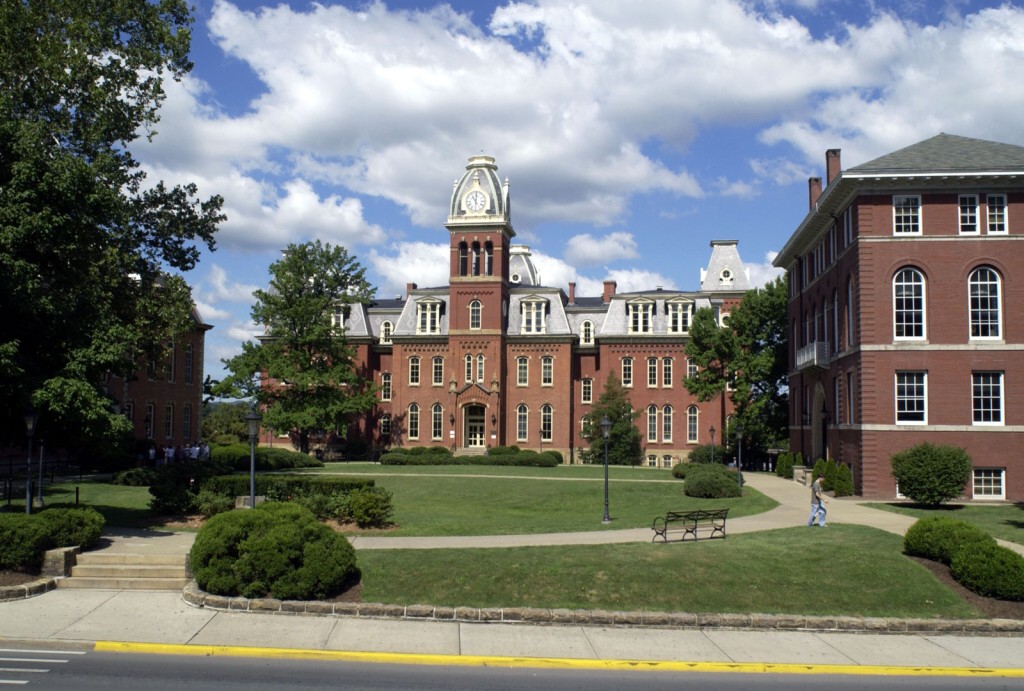
4 Images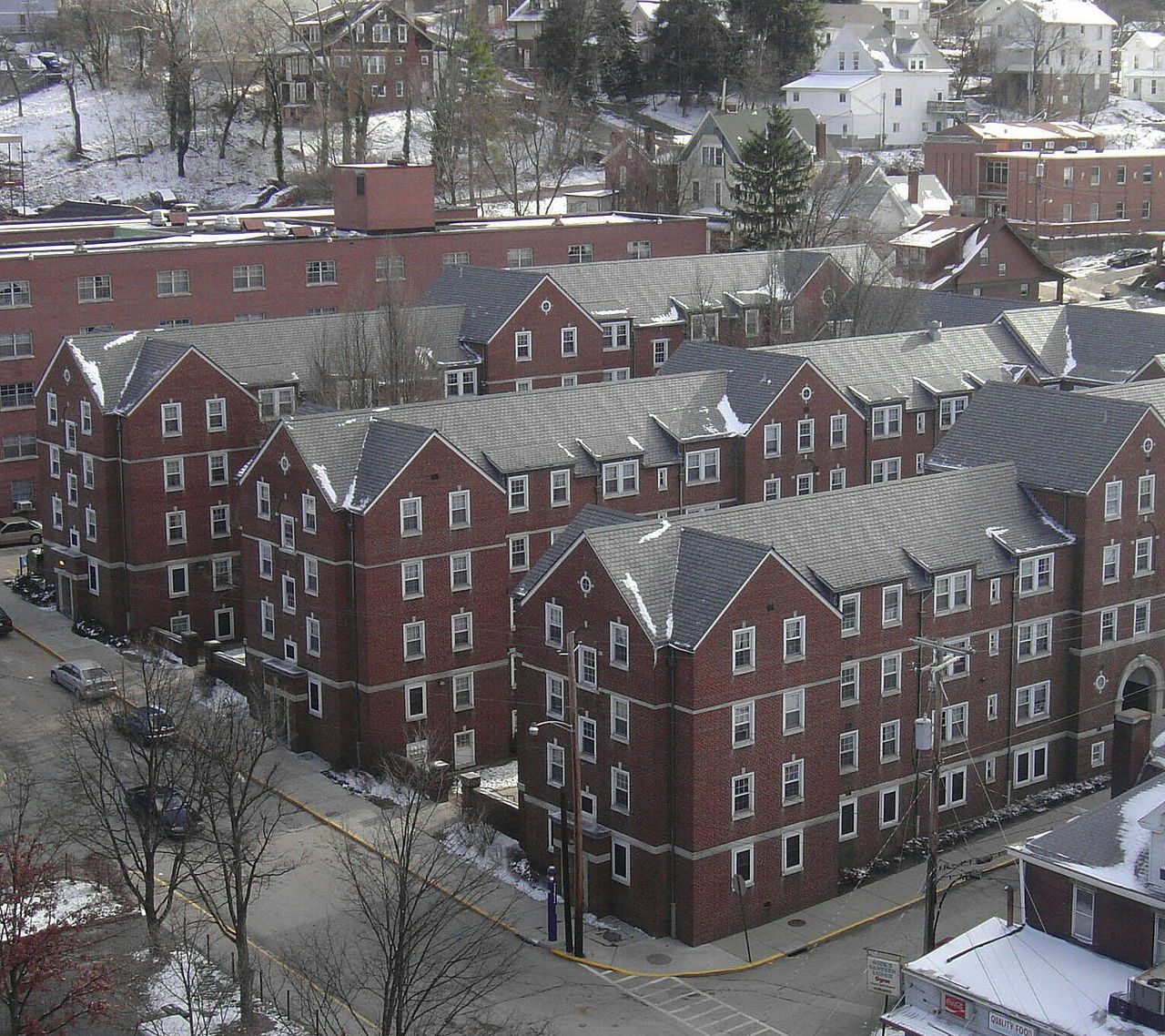


Types and characteristics
Institutions in the state typically fall into several categories:
- Public research universities — larger campuses that offer doctoral programs and conduct funded research.
- Regional public colleges — focus on undergraduate education, teacher training, and local workforce development.
- Community and technical colleges — provide two-year degrees, certificates, and retraining programs aligned with local industry.
- Private and liberal arts colleges — smaller schools emphasizing undergraduate education and close faculty-student interaction.
- HBCUs and specialized schools — institutions with historic missions and programs serving underrepresented communities.
History and development
Higher education in West Virginia grew from 19th-century normal schools and land-grant initiatives into a statewide network. Over time, many colleges expanded into universities or partnered with community colleges to broaden access. Economic shifts — including changes in mining, manufacturing, and health care — have shaped program offerings and institutional priorities.
Role and importance
Colleges and universities play multiple roles: preparing a skilled workforce, supporting regional economies through research and partnerships, providing cultural and civic resources, and serving as major employers in many communities. They also offer continuing education and online learning options that reach nontraditional students.
Notable institutions and distinctions
- State flagship and research institutions that award a broad range of graduate degrees.
- Regional campuses with strong ties to local industry and K–12 teacher preparation.
- Community colleges that act as entry points to higher education and career training.
Finding and comparing schools
Prospective students should consider mission, program strengths, accreditation, location, cost, and transfer pathways. Official lists and comparisons can be consulted for updated details: see general colleges, a complementary list of universities, and statewide higher-education resources at state higher education.
Related articles
Author
AlegsaOnline.com Colleges and Universities in West Virginia Leandro Alegsa
URL: https://en.alegsaonline.com/art/21630
Sources
- collegeboard.com : "The College Board"